WireByte
  • Log In
  • Sign Up
  • AI & Machine Learning
  • Technology
  • Science
  • Space & Astronomy
  • Gaming & Esports

Welcome Back

Log in to your WireByte account

Don't have an account? Sign Up

Create Account

Join WireByte for a personalized experience

Select your favorite categories:

Already have an account? Log In

Stay in the Loop

Get the stories that matter, delivered to your inbox.

You're all set! Check your inbox for a welcome email.

What do you want alerts for?

Search
Trending
WireByte
AI & Machine LearningTechnologyScienceSpace & AstronomyGaming & Esports

Home / Apple

Apple Faces Supplier Backlash Amid Global Flash Memory Shortage
Image: © MacRumors
Apple

Apple Faces Supplier Backlash Amid Global Flash Memory Shortage

WireByte Staff · October 30, 2026

Apple is experiencing supplier pushback as AI-driven demand for flash storage creates a global shortage. Previously, Apple leveraged its massive buying power to secure low prices and monitor competitors. Now, firms like Kioxia and SanDisk are resisting Apple's demands, citing higher-paying customers and supply constraints, marking a shift in industry leverage.

Key points

  • Apple, historically the world's largest flash storage buyer, is facing resistance from suppliers due to a global chip shortage driven by AI data center expansion.
  • Former procurement chief Tony Blevins employed hardball tactics, including refusing deliveries when prices fell and demanding access to supplier sales books to prevent competitors from getting better deals.
  • Japanese firm Kioxia, formerly Toshiba Memory, described the relationship as frustrating, comparing Apple's tactics to Lucy pulling the football away from Charlie Brown.
  • SanDisk reportedly refused Apple's requests for additional supply in late 2015 because the supplier had other customers willing to pay higher prices.
  • This shift highlights how Apple's previous dominance in securing rock-bottom prices is being challenged by suppliers prioritizing higher-margin contracts amid tight global supply.

Shift in Supplier Leverage

Apple is currently navigating a significant shift in its relationship with flash storage suppliers, as a global shortage of memory chips forces a reevaluation of long-standing procurement practices. According to a report by The Wall Street Journal, suppliers who were once subjected to aggressive negotiation tactics by Apple are now pushing back. This change in dynamic is largely attributed to a severe shortage of flash storage and RAM, driven by the rapid expansion of artificial intelligence data centers worldwide. As tech giants invest heavily in AI infrastructure, the demand for these components has surged, giving suppliers increased leverage in their dealings with major tech firms.

Historical Procurement Tactics

During the rise of the iPhone, Apple became the world's largest purchaser of flash storage. This volume granted the company substantial influence over pricing and supply terms. Former Apple procurement chief Tony Blevins was central to these strategies. Reports indicate that Apple utilized hardball tactics to maintain cost advantages. For instance, the company would sometimes refuse to accept deliveries of flash storage if market prices were falling, leaving suppliers with unsold inventory, including custom-made chips. This practice effectively transferred financial risk to the manufacturers.

Furthermore, Apple allegedly required suppliers to open their financial books, allowing Apple to monitor their sales. This transparency ensured that no other customer received better pricing terms, effectively locking in Apple's competitive advantage. These tactics created a highly asymmetrical relationship where suppliers had little room to negotiate or pursue higher-margin opportunities with other clients.

Supplier Frustration and Resistance

The frustration among suppliers has been palpable for years. Kioxia, a Japanese manufacturer formerly known as Toshiba Memory Corporation, has been a key supplier to Apple. Executives at Kioxia have publicly expressed their dissatisfaction with Apple's negotiating style. One executive compared the experience to the comic strip character Charlie Brown attempting to kick a football held by Lucy, who repeatedly pulls it away at the last moment. This analogy underscores the perceived unpredictability and frustration inherent in dealing with Apple's procurement demands.

Specific instances of supplier resistance have also been documented. In late 2015, SanDisk, a major flash storage provider, refused Apple's requests for additional supply. The supplier cited the existence of other customers willing to pay higher prices as the reason for denying Apple's demands. This incident highlights how suppliers began to prioritize profitability over maintaining exclusive or preferred status with Apple when market conditions allowed.

Impact of AI Demand

The current global shortage is largely fueled by the AI boom. Companies building massive data centers require significant amounts of flash storage and RAM to support their operations. This surge in demand has tightened the supply chain, making it difficult for Apple to secure the volume and pricing it previously enjoyed. Suppliers are now in a stronger position to negotiate terms, as they have multiple high-paying customers competing for limited inventory.

While the Wall Street Journal report specifically mentions Kioxia and SanDisk, it does not detail similar conflicts with other major suppliers like SK Hynix or Samsung. However, the broader trend suggests that Apple's ability to dictate terms is diminishing. The company's reliance on external suppliers for critical components means it must adapt to a market where supply constraints and high demand empower manufacturers.

Future Implications

This shift in leverage could have long-term implications for Apple's hardware costs and product pricing. If suppliers continue to resist low-price demands and prioritize higher-margin contracts, Apple may face increased production costs. The company may need to adjust its procurement strategies to maintain supply stability, potentially accepting higher prices or diversifying its supplier base. The situation reflects a broader trend in the tech industry where supply chain dynamics are becoming more complex and competitive.

Key takeaways

  • Apple faces supplier pushback as AI-driven demand creates a global flash storage shortage.
  • Former procurement chief Tony Blevins used hardball tactics, including refusing deliveries and monitoring supplier sales.
  • Kioxia executives compared Apple's tactics to the Charlie Brown and Lucy comic strip.
  • SanDisk refused additional supply in 2015 due to higher-paying alternative customers.
  • The shift highlights a move away from Apple's previous dominance in securing rock-bottom prices.

Sources

  • macrumors.com
WireByte Staff — Editorial Team

The WireByte editorial team synthesises technology news from multiple primary sources, verifies the facts, and links every source. Articles are produced with AI assistance and reviewed under our editorial policy.

More in Apple

Apple Targets 16M MacBook Neo Shipments in 2027

Apple Targets 16M MacBook Neo Shipments in 2027

Apple plans to double MacBook Neo shipments to 16 million units in 2027, signaling stron…

Apple Launches Subscription Retention Messaging for Developers

Apple Launches Subscription Retention Messaging for Developers

Apple has released Retention Messaging, a new tool allowing app developers to present pe…

smartphone technology

Apple Cuts AI Spending Caps for Engineers Amid Cost-Cutting Push

Apple has reduced daily AI spending limits for some engineers from $300 to $200, with fu…

Apple to Scan iCloud Public Links for Harmful Content in iOS 27.3

Apple to Scan iCloud Public Links for Harmful Content in iOS 27.3

Apple will scan iCloud files shared via public links for harmful content starting with i…

Apple Releases First Betas for watchOS 27.3, tvOS 27.3, and visionOS 27.3

Apple Releases First Betas for watchOS 27.3, tvOS 27.3, and visionOS 27.3

Apple has released the first developer betas for watchOS 27.3, tvOS 27.3, and visionOS 2…

Latest

Apple Targets 16M MacBook Neo Shipments in 2027

Apple Targets 16M MacBook Neo Shipments in 2027

Apple plans to double MacBook Neo shipments to 16 million units in 2027, signaling stron…

Nintendo Reports Switch 2 Sales Drop Amid Price Hike and Profit Shift

Nintendo Reports Switch 2 Sales Drop Amid Price Hike and Profit Shift

Nintendo reported a 37.4% drop in Switch 2 sales for the first half of fiscal 2026, sell…

Ninja Launches Luxe Café Mini and Jonathan Adler Collaboration Espresso Machines

Ninja Launches Luxe Café Mini and Jonathan Adler Collaboration Espresso Machines

Ninja has introduced the compact Luxe Café Mini, now priced at $399.99, and the high-end…

Amazon Replaces Grubhub with Uber Eats for Prime Delivery

Amazon Replaces Grubhub with Uber Eats for Prime Delivery

Amazon has ended its partnership with Grubhub and designated Uber Eats as the official r…

Sony Profits Surge on Spider-Man Box Office and PS5 Software Sales

Sony Profits Surge on Spider-Man Box Office and PS5 Software Sales

Sony reported a 44% profit increase to 449.6 billion yen, driven by Spider-Man: Brand Ne…

US Midterms: Tech Oligarchs Face Political Backlash as Democrats Retake Congress

US Midterms: Tech Oligarchs Face Political Backlash as Democrats Retake Congress

Democrats have retaken control of the US Congress following the midterm elections, signa…

Related articles

Apple Targets 16M MacBook Neo Shipments in 2027 Apple Apple Targets 16M MacBook Neo Shipments in 2027 WireByte

Apple plans to double MacBook Neo shipments to 16 million units in 2027, signaling strong demand for its entry-level laptop. The device, launched in March 2026 with an A18 Pro chip, saw a price increase to $699. Supply chain sources attribute recent Mac sales growth largely to the Neo model, with a second-generation version expected next year.

WireByte Staff · November 5, 2026

Apple Launches Subscription Retention Messaging for Developers Apple Apple Launches Subscription Retention Messaging for Developers WireByte

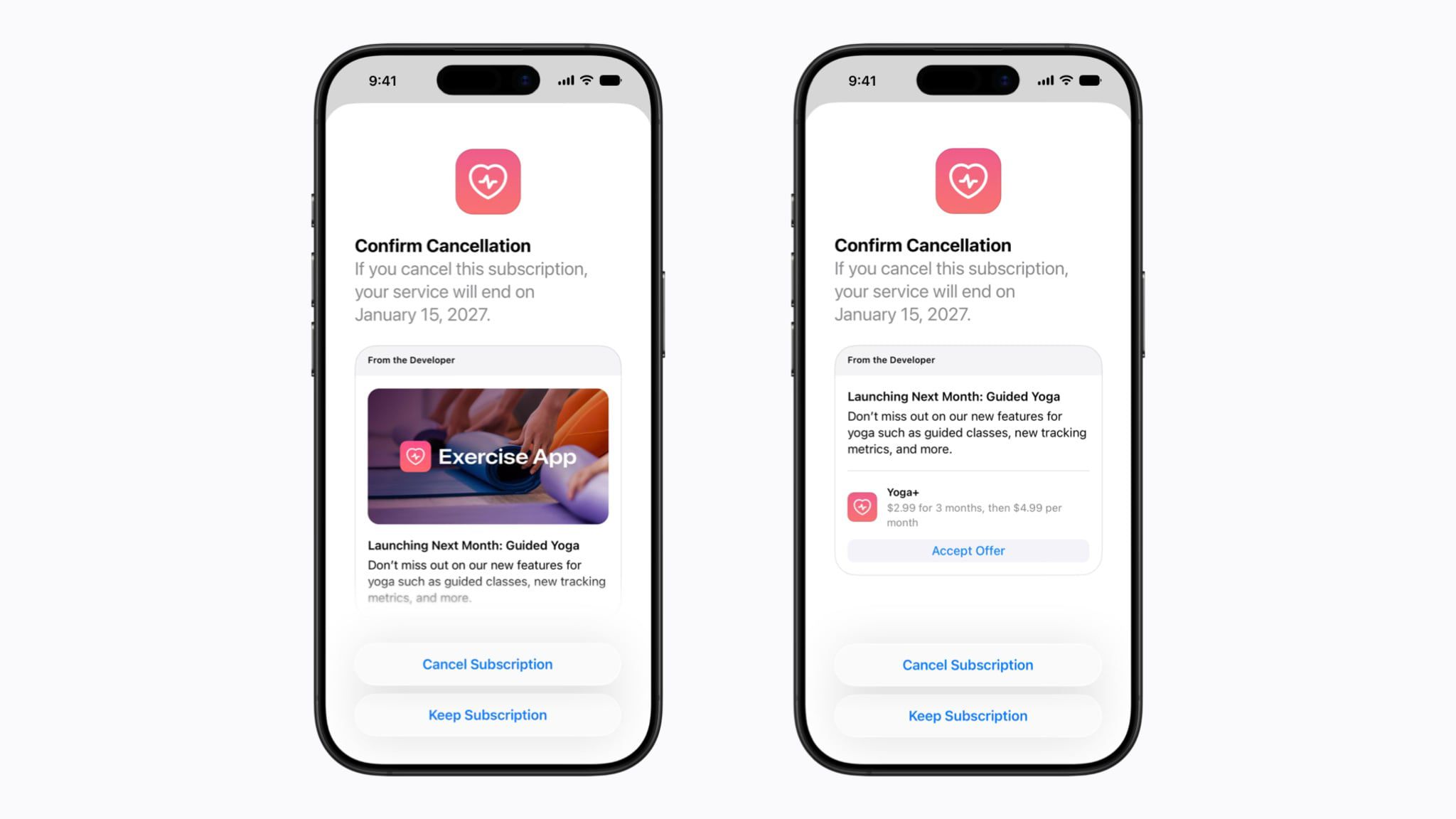
Apple has released Retention Messaging, a new tool allowing app developers to present personalized offers and discounts to users attempting to cancel subscriptions. Available now in App Store Connect, the feature aims to reduce churn by intervening before cancellation is finalized. This update follows previous win-back initiatives, marking a significant shift in how digital services manage subscriber retention on the iOS platform.

WireByte Staff · November 5, 2026

smartphone technology Apple Apple Cuts AI Spending Caps for Engineers Amid Cost-Cutting Push WireByte

Apple has reduced daily AI spending limits for some engineers from $300 to $200, with further cuts to $100 or $25 planned. CEO John Ternus aims to streamline operations and reduce costs as R&D expenses rise. The move follows recent layoffs and hiring of consultants, sparking mixed reactions and layoff concerns among staff.

WireByte Staff · November 4, 2026

Apple to Scan iCloud Public Links for Harmful Content in iOS 27.3 Apple Apple to Scan iCloud Public Links for Harmful Content in iOS 27.3 WireByte

Apple will scan iCloud files shared via public links for harmful content starting with iOS 27.3. This change removes end-to-end encryption for shared items and allows Apple to delete content or block accounts. The move follows activist pressure to combat child abuse material, though the definition of 'harmful' remains undefined.

WireByte Staff · November 4, 2026

Apple Releases First Betas for watchOS 27.3, tvOS 27.3, and visionOS 27.3 Apple Apple Releases First Betas for watchOS 27.3, tvOS 27.3, and visionOS 27.3 WireByte

Apple has released the first developer betas for watchOS 27.3, tvOS 27.3, and visionOS 27.3, following the public launch of version 27.2. The watchOS update introduces Apple Intelligence features like Live Rewind and Siri Recap for Series 12 and Ultra 4 models. iOS and iPadOS 27.3 betas also debut, featuring the return of the redesigned Health app and expanded Siri language support.

WireByte Staff · November 4, 2026

Nintendo Reports Switch 2 Sales Drop Amid Price Hike and Profit Shift Gaming & Esports Nintendo Reports Switch 2 Sales Drop Amid Price Hike and Profit Shift WireByte

Nintendo reported a 37.4% drop in Switch 2 sales for the first half of fiscal 2026, selling 6.49 million units. Operating profit fell 16% to 73.9 billion yen despite an 11% rise in net profit driven by software and movie revenue. The company ruled out further price increases, maintaining its 16.5 million unit annual forecast despite memory cost pressures.

WireByte Staff · November 5, 2026

WireByte

Tech & AI news, synthesised and to the point.

Delivering original syntheses and breaking news with cited sources. Stay informed with WireByte.

Sections

  • AI & Machine Learning
  • Technology
  • Science
  • Space & Astronomy
  • Gaming & Esports

Company

  • About Us
  • Editorial Policy
  • Privacy Policy

Newsletters

Get the stories that matter, delivered to your inbox.

© 2026 WireByte. All rights reserved. Original syntheses with cited sources.

Home Search