Zelda Ocarina of Time Remake Breaks Switch 2 Sales Records Amid Easter Egg Controversy
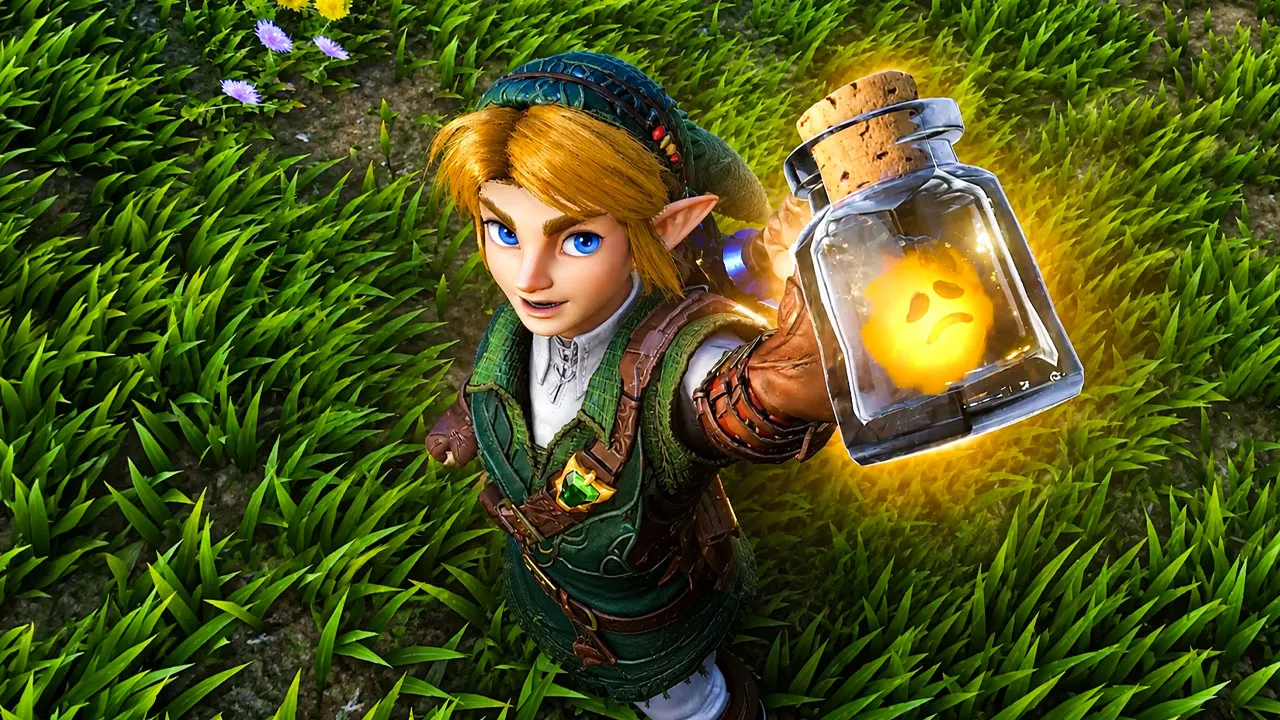
The Legend of Zelda: Ocarina of Time remake has sold 5.2 million copies in four days, becoming the fastest-selling Nintendo Switch 2 title. While celebrating this commercial milestone, Nintendo defended removing Mario and Yoshi Easter eggs from the game. Producer Eiji Aonuma stated the changes preserve immersion, marking a shift from the company's earlier, more carefree approach to cross-franchise references.
Key points
- The Legend of Zelda: Ocarina of Time remake sold 5.2 million copies globally in its first four days, making it the fastest-selling Nintendo Switch 2 game at launch.
- Nintendo producer Eiji Aonuma defended the removal of Mario, Luigi, Peach, Bowser, and Yoshi Easter eggs from Hyrule Castle, citing a desire to maintain player immersion.
- Aonuma explained that Nintendo has shifted away from the 'carefree' approach of referencing other games that was common in the original 1998 N64 release.
- The sales figure surpasses other major Switch 2 launches, including Mario Kart World and Donkey Kong Bananza, within the same four-day window.
- The game's success positions it as the likely second-best-selling Switch 2 title overall, following only the console's initial bundle sales.
- Nintendo released the remake during a competitive November period, aiming to leverage the franchise's legendary status against upcoming major releases like Grand Theft Auto 6.
Record-Breaking Launch for Nintendo Switch 2
Nintendo has announced that the remake of The Legend of Zelda: Ocarina of Time has achieved unprecedented sales figures for the Nintendo Switch 2. The company confirmed that 5.2 million copies were sold worldwide within the first four days of availability. This performance establishes the title as the fastest-selling Nintendo-published game for the new console. The sales velocity exceeds that of other significant Switch 2 launches, including Mario Kart World, Donkey Kong Bananza, and Pokémon Pokopia. This milestone suggests the game is on track to become the second-best-selling Switch 2 title in history, trailing only the initial console bundle sales. The achievement underscores the enduring commercial power of the Zelda franchise and its broad appeal across global markets.
Controversy Over Removed Easter Eggs
Amidst the commercial celebration, Nintendo has faced scrutiny regarding specific content changes in the remake. The original 1998 Nintendo 64 version featured a hidden wall of portraits in Hyrule Castle that included artwork of Mario, Luigi, Princess Peach, Bowser, and Yoshi. These references were drawn from Super Mario 64 and served as a playful nod to Nintendo’s other major franchises. In the Switch 2 version, all references to the Mushroom Kingdom have been removed. Additionally, artwork from Zelda: Twilight Princess, which had been included in previous 3DS re-releases, was also cut. Critics and players have noted the absence of these long-standing secrets, sparking debate about the preservation of gaming history.
Producer Defends Creative Direction
Eiji Aonuma, the legendary producer of the Zelda series, addressed the changes in an interview with Game Informer. He explained that Nintendo’s approach to cross-franchise references has evolved significantly since the late 1990s. Aonuma stated that while the original inclusions were made with a carefree attitude, the company now prioritizes immersive world-building. He argued that unexpected appearances of characters like Yoshi could interrupt the player’s experience and break the established atmosphere of Hyrule. The decision reflects a broader shift in Nintendo’s design philosophy, aiming to maintain narrative and environmental consistency rather than relying on nostalgic easter eggs. This stance marks a clear departure from the more relaxed integration of other game properties seen in earlier releases.
Market Context and Future Outlook
The release of Ocarina of Time positions Nintendo strategically during the critical holiday season. The game launches in November, a period traditionally dominated by major AAA titles. By securing a massive initial sales window, Nintendo has insulated itself from competition, including the anticipated release of Grand Theft Auto 6. The success of the remake demonstrates that established intellectual property can drive hardware adoption and software sales independently. With 3.5 million Switch 2 consoles sold in the first four days, the ecosystem is expanding rapidly. The strong performance of Ocarina of Time reinforces Nintendo’s reliance on its first-party catalog to sustain momentum in a competitive global market. Analysts view this as a validation of the company’s strategy to remaster classic titles with modern technology while refining their creative standards.
Sources
The WireByte editorial team synthesises technology news from multiple primary sources, verifies the facts, and links every source. Articles are produced with AI assistance and reviewed under our editorial policy.