Xiaomi Unveils 18 Pro with Rear OLED Display
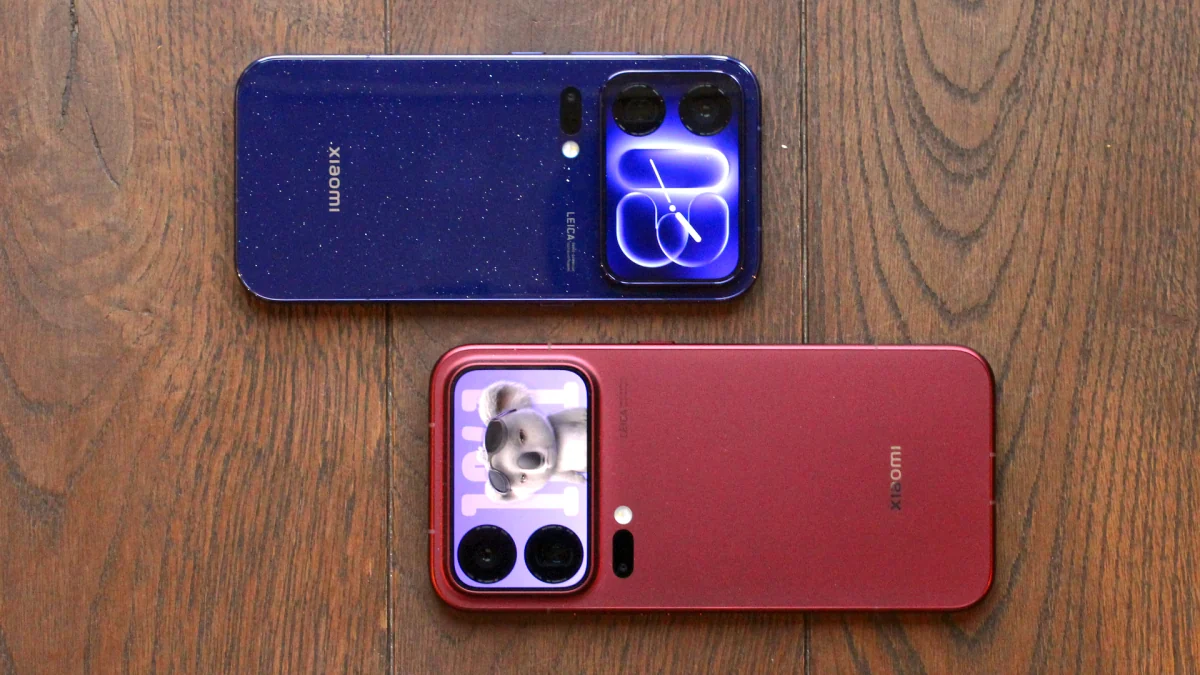
Xiaomi has launched the 18 Pro and 18 Pro Max, featuring a 2.9-inch rear OLED display. This secondary screen, introduced on the 2025 17 Pro, offers 4,000-nit brightness and 1-120Hz refresh rates. It functions as a camera viewfinder and notification hub. The device joins 2026’s innovative smartphone market alongside Apple’s foldables.
Key points
- Xiaomi, a major Chinese electronics manufacturer, has released the 18 Pro and 18 Pro Max smartphones.
- The devices feature a 2.9-inch rear OLED display with 4,000-nit peak brightness and a 1-120Hz dynamic refresh rate.
- The rear screen, first seen on the 2025 Xiaomi 17 Pro, acts as a camera viewfinder, notification center, and live activity display for apps like Spotify and Google Maps.
- The display is protected by Corning Gorilla Glass Victus 2 and operates with a smartwatch-like interface when the phone is face-down.
- The launch positions Xiaomi among innovators in the 2026 smartphone market, competing with Apple’s recent entry into the foldable sector.
A Novel Approach to Smartphone Design
Xiaomi has entered the 2026 smartphone market with a distinct design choice that prioritizes utility in secondary interfaces. The company unveiled the Xiaomi 18 Pro and the larger 18 Pro Max, devices that continue a specific hardware trend initiated by the China-only Xiaomi 17 Pro in 2025. The defining feature of these new models is a secondary display located on the rear of the device. This is not a foldable screen in the traditional sense, but a fixed, integrated panel designed to enhance functionality without altering the primary form factor of the smartphone.
Technical Specifications of the Rear Display
The secondary screen is a 2.9-inch OLED panel. It utilizes the same core display technology found on the main front-facing display of the 18 Pro. This ensures high performance standards across the device. The rear screen boasts a peak brightness of 4,000 nits, allowing for visibility in direct sunlight. It also features a dynamic refresh rate that scales from 1Hz to 120Hz. This flexibility helps balance visual smoothness with power efficiency. The glass covering the rear display is Corning Gorilla Glass Victus 2, providing protection against scratches and reasonable drops.
Functional Use Cases
Xiaomi has integrated several practical functions into the rear display to justify its inclusion. When the phone is placed face-down on a surface, the rear screen activates to show the time and incoming notifications. This allows users to check alerts without flipping the device over. The screen also serves as a live activity hub. Supported applications, including Google Maps, YouTube Music, and Spotify, can display real-time information on the back. This includes navigation prompts or track details, keeping the main screen free for other tasks.
Camera Integration
One of the most significant applications of the rear display is its role as a viewfinder for the main camera system. Users can frame shots using the rear screen, which may offer advantages in specific photography scenarios. This feature mirrors the functionality of smartwatches, where the interface adapts to the device’s orientation. The system is designed to be intuitive, reducing the learning curve for new users. It provides a seamless experience for those who frequently use their camera or rely on background app activities.
Market Context and Competition
The launch of the 18 Pro series occurs in a year marked by significant innovation in the smartphone industry. Competitors have introduced various new form factors and features. Apple recently embraced the foldable form factor with the iPhone Duo. Honor has experimented with mechanical components, such as the gimbal in the Honor Robot Phone. Xiaomi’s approach differs by refining the traditional slab design with added display utility rather than changing the physical structure entirely. This positions the 18 Pro as a device for users who want advanced features without the bulk of a foldable.
User Experience and Reception
Early hands-on experiences suggest that the rear display is a functional addition rather than a mere gimmick. While it does not offer the versatility of a foldable screen, it provides unique capabilities that are difficult to replicate with a single display. The device is described as fast, capable, and sleek. The interface behaves like a smartwatch when the phone is face-down, offering a familiar experience for users of wearable technology. The design aims to blend innovation with practicality, appealing to users who value efficiency and modern aesthetics.
What Happens Next
As the smartphone market continues to evolve, Xiaomi’s strategy highlights the importance of software and hardware integration. The success of the rear display will depend on user adoption and developer support for live activities. If the feature proves popular, it could influence future designs from other manufacturers. The 18 Pro and 18 Pro Max are now available for consumers looking for a device that combines traditional smartphone features with innovative display technology. The market will watch closely to see if this niche feature gains broader acceptance.
Key takeaways
Xiaomi has released the 18 Pro and 18 Pro Max with a 2.9-inch rear OLED display.
The secondary screen offers 4,000-nit brightness and a 1-120Hz refresh rate.
The display functions as a camera viewfinder, notification hub, and live activity center.
The feature builds on the 2025 Xiaomi 17 Pro design and competes with 2026 innovations.
The device aims to provide utility without the complexity of foldable form factors.
Sources
The WireByte editorial team synthesises technology news from multiple primary sources, verifies the facts, and links every source. Articles are produced with AI assistance and reviewed under our editorial policy.