xAI Faces Legal Hurdle Over Colossus Data Center Permits
A federal judge allowed an NAACP lawsuit against xAI to proceed, rejecting the company's motion to dismiss. The suit alleges xAI operated gas turbines at its Colossus data center in Mississippi without required air permits, violating the Clean Air Act. The ruling denies xAI's claims that the equipment is mobile or that the lawsuit is unconstitutional.
Key points
- xAI, the artificial intelligence company founded by Elon Musk, is facing a federal lawsuit from the NAACP regarding its Colossus data center near Memphis, Mississippi.
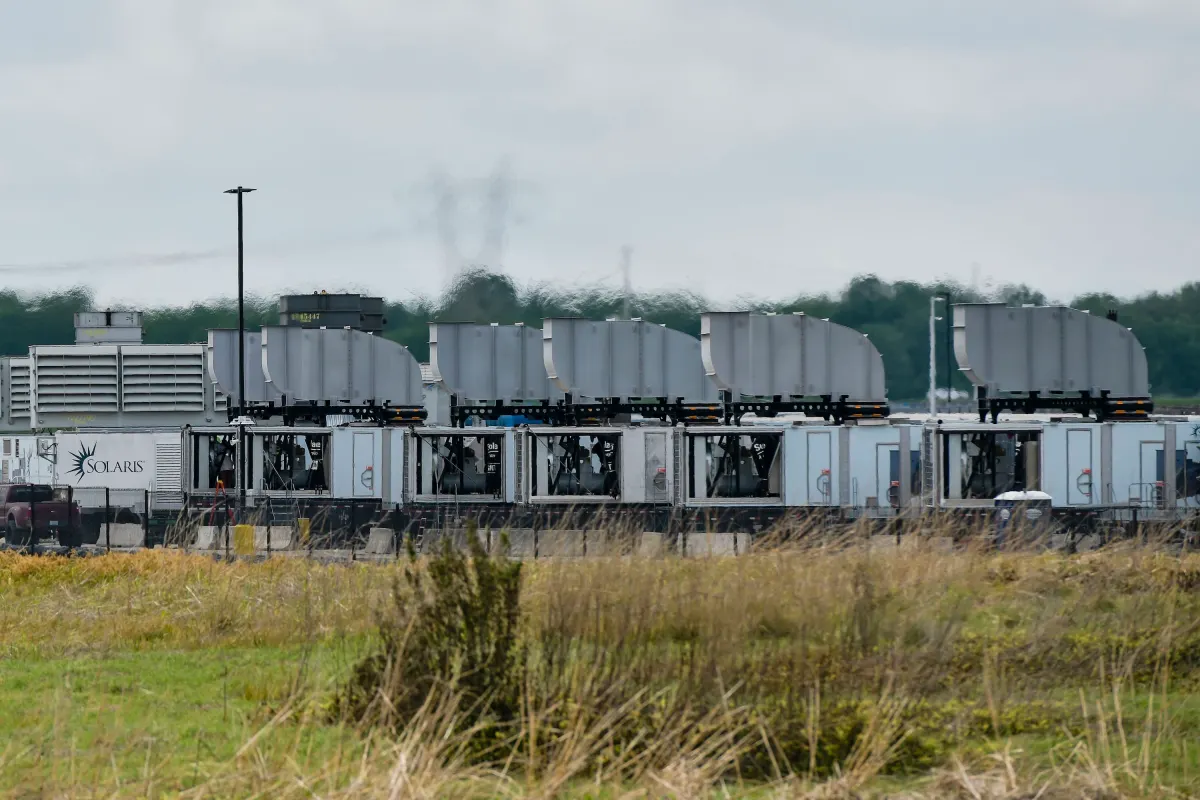
- The NAACP and Southern Environmental Law Center allege xAI operated at least 35 combustion turbines without obtaining necessary preconstruction or operating air permits under the Clean Air Act.
- xAI attempted to dismiss the case by arguing the turbines are mobile sources exempt from permitting and that citizen suits are unconstitutional, but Judge Debra M. Brown rejected these claims.
- Judge Brown ruled that plaintiffs have statutory standing and that the citizen suit provision does not violate Article II or the private nondelegation doctrine.
- The lawsuit moves forward, potentially exposing xAI to penalties and forcing compliance with environmental regulations for its power infrastructure.
Legal Challenge Advances
A federal judge has permitted a lawsuit brought by the NAACP against xAI to move forward, rejecting the company's attempts to have the case dismissed. The legal action centers on allegations that xAI failed to secure required environmental permits for the gas turbines powering its massive Colossus data center located outside Memphis, Mississippi. The ruling by U.S. District Judge Debra M. Brown clears significant procedural hurdles that xAI had raised, allowing the environmental claims to be heard on their merits.
Environmental Allegations
The lawsuit, filed on behalf of the NAACP by the Southern Environmental Law Center, accuses xAI of installing and operating at least 35 combustion turbines and other sources of air pollution at the Colossus site. According to the complaint, xAI has been running this equipment without obtaining the necessary preconstruction or operating air permits mandated by the Clean Air Act. The plaintiffs argue that these unpermitted operations have contributed to local air pollution, posing health risks to the surrounding community. The suit seeks to enforce compliance with federal environmental laws that govern industrial air emissions.
xAI's Defense Rejected
xAI had sought to dismiss the lawsuit by asserting that its combustion turbines are mobile sources, which are generally exempt from the permitting requirements that apply to stationary industrial facilities. The company also challenged the legal basis of the suit, arguing that citizen lawsuits under the Clean Air Act are unconstitutional. Specifically, xAI contended that such suits violate Article II of the Constitution by improperly delegating executive power to private parties. The company further argued that the plaintiffs lacked the standing to sue in federal court.
Judge's Ruling
Judge Debra M. Brown denied xAI's motion, providing a detailed rationale for her decision. She determined that the combustion turbines in question do not qualify as mobile sources under Mississippi's State Implementation Plan. Furthermore, she ruled that the plaintiffs have statutory standing under the Clean Air Act to bring the suit. Addressing the constitutional challenge, Judge Brown wrote that citizen suit plaintiffs sue on their own behalf and seek penalties that redress harm to themselves, rather than exercising the federal government's executive power. She concluded that the citizen suit provision does not violate Article II or the private nondelegation doctrine.
Implications for xAI
The decision allows the NAACP's lawsuit to proceed to the next stage of litigation. This development could have significant implications for xAI's operations, as it may be required to obtain retroactive permits or face penalties for past violations. The Colossus data center is a critical piece of infrastructure for xAI, which is developing advanced artificial intelligence models. The company's reliance on gas turbines for power has drawn scrutiny from environmental groups concerned about the carbon footprint of AI infrastructure. The outcome of this case could set a precedent for how AI companies are regulated regarding their energy consumption and environmental impact.
Broader Context
This legal challenge highlights the growing tension between the rapid expansion of AI infrastructure and environmental regulations. As tech companies build larger data centers to support AI workloads, they are increasingly facing scrutiny over their energy usage and emissions. The NAACP's involvement underscores the social justice aspect of these concerns, focusing on the impact of pollution on local communities. The case may influence how other tech firms approach their environmental compliance strategies, particularly in states with complex regulatory frameworks like Mississippi.
Key takeaways
- A federal judge allowed an NAACP lawsuit against xAI to proceed, rejecting the company's motion to dismiss.
- The suit alleges xAI operated at least 35 combustion turbines at its Colossus data center without required air permits.
- xAI argued the turbines are mobile sources and citizen suits are unconstitutional, but Judge Debra M. Brown rejected these claims.
- The ruling confirms plaintiffs have statutory standing and that the citizen suit provision does not violate Article II.
- The lawsuit moves forward, potentially exposing xAI to penalties and forcing compliance with environmental regulations.
Sources
The WireByte editorial team synthesises technology news from multiple primary sources, verifies the facts, and links every source. Articles are produced with AI assistance and reviewed under our editorial policy.