WiiM Bar review: Solid soundbar debut rivals Sonos
WiiM, a multi-room audio competitor to Sonos, has launched its first soundbar, the WiiM Bar. The standalone 3.0.2 device features virtual Dolby Atmos, a unique toggleable display, and extensive connectivity options. While reviewers praise its dialogue clarity and feature-rich app, they note it lacks AirPlay 2 and HDMI passthrough. The launch signals WiiM’s expansion into the premium home theater market, challenging established brands with a budget-friendly, high-functionality alternative.
Key points
- WiiM, a multi-room audio system provider and rival to Sonos, has released the WiiM Bar, marking its entry into the soundbar market.
- The device is a standalone 3.0.2 model that utilizes virtual Dolby Atmos technology rather than physical up-firing drivers or a separate subwoofer.
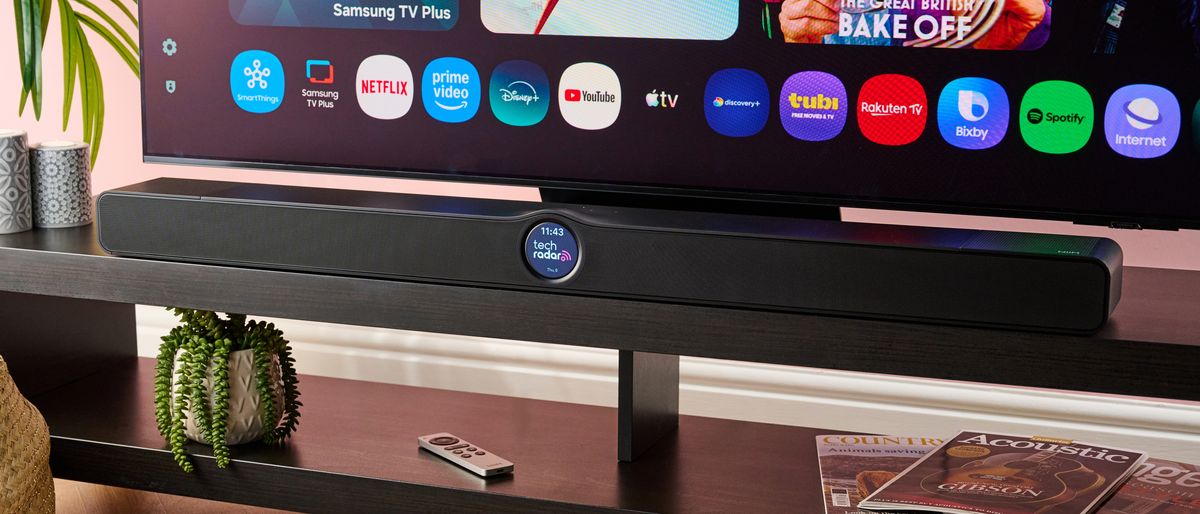
- The WiiM Bar includes a unique, toggleable display and a highly detailed companion app, offering extensive connectivity options for users.
- Reviewers from TechRadar highlight strong dialogue clarity and expansive sound, though they note the audio lacks dynamic impact compared to higher-end competitors.
- Key limitations include the absence of AirPlay 2 support and HDMI passthrough, which may restrict its appeal to users relying on those specific ecosystems.
- The launch positions WiiM as a serious challenger in the home audio sector, aiming to compete with established brands like Sonos through feature density and value.
WiiM, a company that has established itself as a significant multi-room audio competitor to Sonos, has expanded its product lineup with the release of the WiiM Bar. This marks the manufacturer’s first foray into the soundbar category, introducing a standalone 3.0.2 model designed to deliver immersive audio without the need for external subwoofers or surround speakers. The device relies on virtual Dolby Atmos processing to create a three-dimensional soundstage, a technical approach that distinguishes it from competitors who utilize physical up-firing drivers.
The hardware features a unique, toggleable display and a comprehensive array of connectivity options, catering to users seeking versatile integration within their home entertainment setups. A highly detailed companion app serves as the primary interface, offering extensive control over audio settings and multi-room functionality. While the design and feature set are innovative, the audio performance is described as pleasantly expansive but lacking in dynamic punch compared to premium rivals. Dialogue clarity remains a strong point, ensuring intelligibility during film and television viewing.
Despite its strengths, the WiiM Bar faces specific limitations that may affect its market reception. The absence of AirPlay 2 support could hinder adoption among Apple-centric households, while the lack of HDMI passthrough may complicate setup for users with complex home theater configurations. As WiiM continues to challenge established brands like Sonos, this launch represents a strategic move into the premium home theater segment, leveraging high feature density and competitive pricing to attract a broader consumer base.
Sources
The WireByte editorial team synthesises technology news from multiple primary sources, verifies the facts, and links every source. Articles are produced with AI assistance and reviewed under our editorial policy.