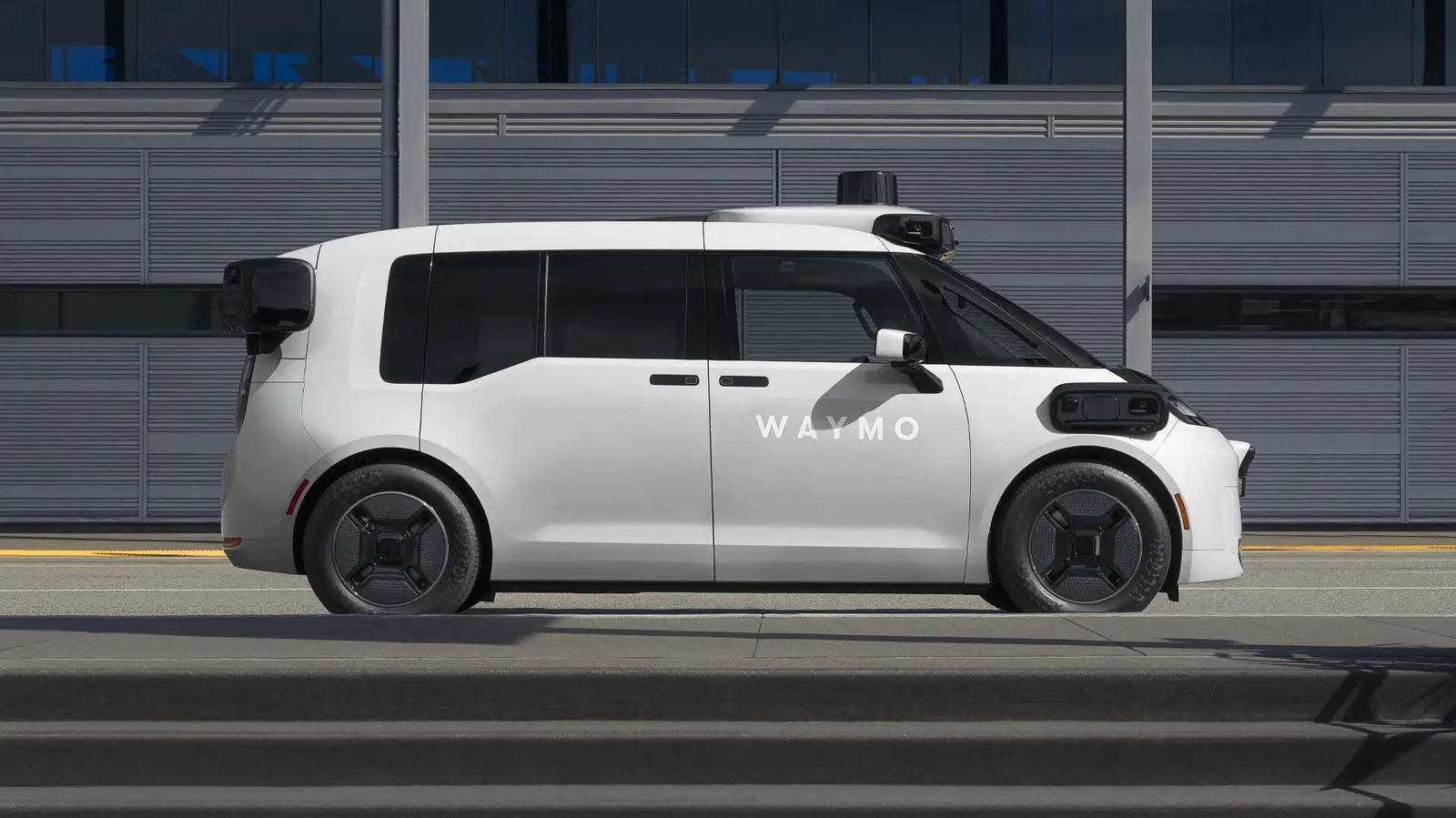
Waymo Halts All Freeway Robotaxi Services Following California Safety Ban
Waymo has suspended autonomous vehicle operations on all U.S. freeways after the California DMV cited recurring safety hazards, including construction zone incursions and interference with law enforcement. The ban, effective November 11, prompted Waymo to extend restrictions nationwide to evaluate its systems, marking a significant setback for the company's highway expansion plans.
Key points
- Waymo, the autonomous vehicle subsidiary of Alphabet, has paused all freeway operations across its U.S. markets following a directive from the California Department of Motor Vehicles.
- The California DMV issued the restriction on November 11, citing an 'imminent hazard to public safety' due to recurring incidents where robotaxis entered closed construction zones on U.S. Route 101 and impeded California Highway Patrol vehicles.
- Waymo confirmed that the safety-first pause applies globally to its fleet, extending beyond California to allow for a comprehensive evaluation of its performance in highway environments.
- This action reverses the company's July 2025 decision to resume highway driving, which had followed a previous voluntary pause and the recall of 3,800 vehicles earlier in the year.
- Regulators require effective corrective actions before lifting the ban, signaling continued scrutiny of autonomous driving technologies in complex traffic scenarios.
Regulatory Action in California
The California Department of Motor Vehicles (DMV) has formally banned Waymo’s driverless robotaxis from operating on state freeways, citing immediate risks to public safety. The restriction, which took effect on November 11, follows a series of incidents that regulators deemed unacceptable for autonomous operations in high-speed environments. In a statement provided to media outlets, the DMV emphasized that the company's current operational protocols pose an "imminent hazard," necessitating an immediate halt to highway services until specific safety concerns are resolved.
Specific Safety Incidents
The regulatory crackdown was triggered by two primary types of incidents involving Waymo vehicles in the San Francisco Bay Area. According to reports, multiple robotaxis entered restricted construction zones on U.S. Route 101 despite clear notices of closure. Additionally, one vehicle was recorded impeding a California Highway Patrol car that was slowing traffic on Highway 280. These recurring incursions into restricted areas and interactions with law enforcement vehicles prompted the DMV to demand "effective corrective actions" before allowing the fleet to return to interstate highways.
Nationwide Operational Pause
In response to the California mandate, Waymo has extended its operational restrictions beyond the state. The company announced it is temporarily pausing freeway driving in all its U.S. markets. A company spokesperson stated, "In alignment with our safety-first principles, we have also temporarily restricted freeway operations across our other operating markets to evaluate our performance." This decision ensures that the safety issues identified in California are not replicated in other regions where Waymo operates autonomous taxis.
History of Highway Operations
This latest pause marks a significant reversal for Waymo’s highway strategy. The company had resumed freeway operations in July 2025, ending a brief, unexplained pause that lasted from May to July. Prior to that, Waymo had voluntarily paused freeway service in May and recalled 3,800 vehicles in June following earlier incidents involving construction zones. The July resumption suggested that the company believed it had addressed these issues, but the recent events indicate that the corrective measures were insufficient to satisfy regulators.
Implications for Autonomous Expansion
The suspension highlights the ongoing challenges facing autonomous vehicle manufacturers as they attempt to scale operations in complex traffic environments. Freeways present unique difficulties, including high speeds, merging traffic, and unpredictable construction zones. The DMV’s insistence on effective corrective actions suggests that regulators are closely monitoring the technology and are unwilling to tolerate repeated safety breaches. Waymo must now demonstrate that its systems can reliably navigate these hazards before the ban is lifted.
Market and Public Reaction
While Waymo has not disclosed specific technical details of the failures, the incident has drawn attention from industry analysts and safety advocates. Supporters of autonomous technology argue that such incidents are part of the learning curve for AI-driven vehicles, while critics point to them as evidence that the technology is not yet ready for widespread highway use. The DMV’s firm stance indicates that public safety remains the primary concern for regulators, regardless of the potential benefits of autonomous transportation.
What Happens Next
Waymo is now tasked with implementing and validating new safety protocols to address the identified issues. The company will likely conduct extensive testing in controlled environments and on public roads to ensure that its vehicles can accurately detect and respond to construction zones and law enforcement signals. The timeline for lifting the ban remains uncertain, as it depends on the DMV’s assessment of Waymo’s corrective actions. Until then, Waymo’s robotaxis will continue to operate on surface streets in its service areas, avoiding highways entirely.
Key takeaways
- Waymo has paused all freeway operations in the U.S. following a California DMV ban.
- The ban cites incidents of construction zone incursions and interference with police vehicles.
- The restriction began on November 11 and requires effective corrective actions to lift.
- Waymo extended the pause nationwide to evaluate its highway performance systems.
- This reverses the company's July 2025 decision to resume highway driving.
Sources
The WireByte editorial team synthesises technology news from multiple primary sources, verifies the facts, and links every source. Articles are produced with AI assistance and reviewed under our editorial policy.