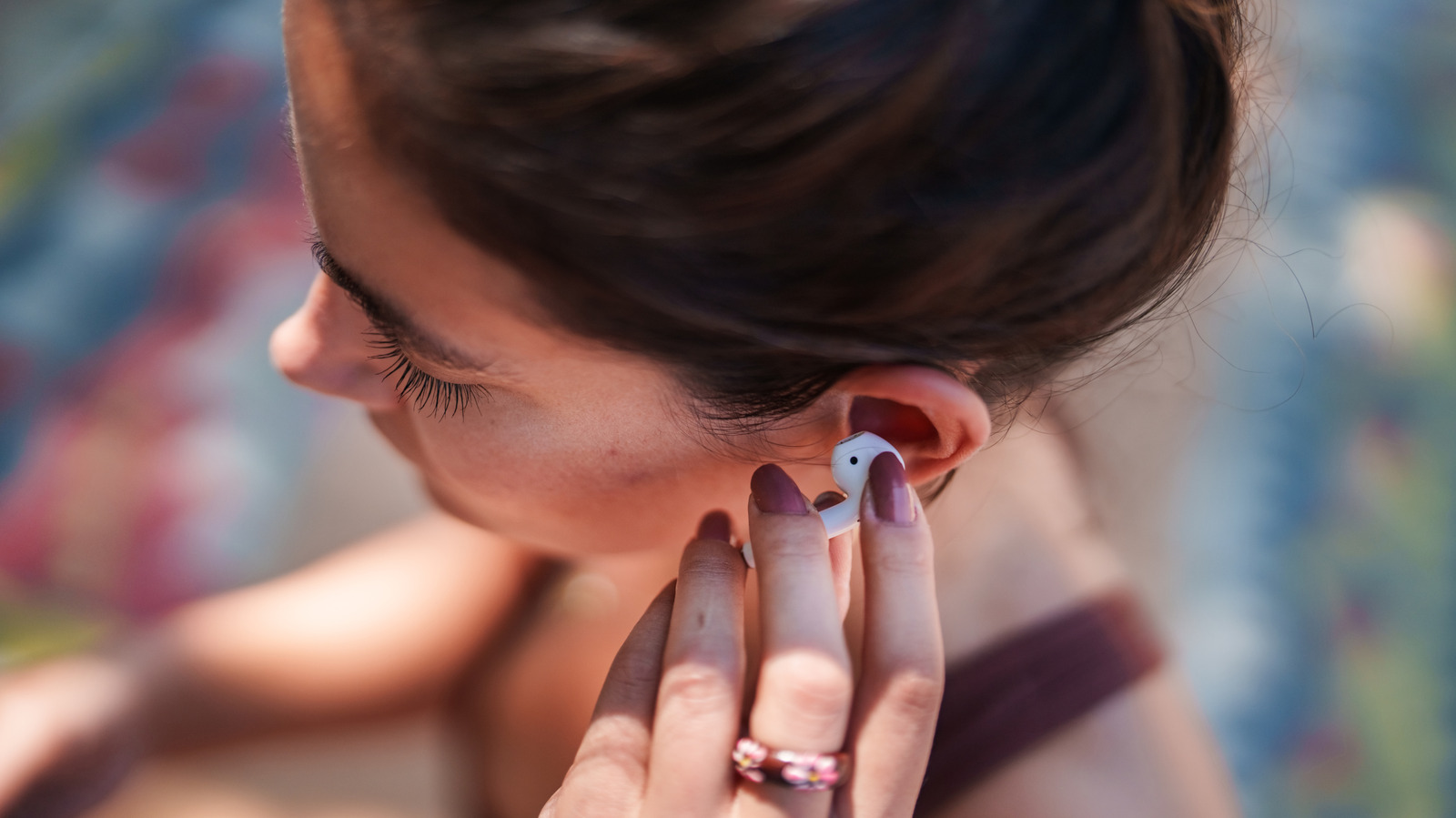
Using Single Earbud Accelerates Wear and Battery Degradation
Experts warn that consistently using only one wireless earbud causes uneven physical wear and accelerates battery degradation due to disproportionate charging cycles. This habit shortens the device's overall lifespan. Users are advised to alternate earbuds to ensure balanced usage and maintain optimal battery health over time.
Key points
- Wireless earbuds suffer from uneven usability balance and accelerated wear when one bud is used exclusively.
- Disproportionate charging cycles cause the frequently used earbud's battery to drain and degrade faster.
- The habit originated from older single-ear Bluetooth headsets but persists in modern mono-mode usage.
- Alternating earbuds is recommended to distribute wear and maintain equal battery health across both units.
The Legacy of Single-Ear Usage
The modern wireless earbud has evolved significantly from its predecessors, yet a specific usage habit remains prevalent among consumers. In the past, the term "Bluetooth headset" typically referred to a single-ear device, often featuring a small boom microphone that wrapped around the ear. These devices were ubiquitous in corporate environments, worn by businesspeople throughout the day as a symbol of professional status and connectivity. Unlike contemporary true wireless stereo (TWS) earbuds, these early devices were designed for mono audio, allowing users to take hands-free calls without completely isolating them from their surroundings.
Mono Mode and Modern Implications
Today, true wireless earbuds offer a mono mode, enabling users to insert a single bud into one ear while leaving the other side unused. While this provides flexibility, experts caution that maintaining this habit long-term can lead to technical issues. The primary concern is not just audio balance but the physical and chemical degradation of the device components. When one earbud is used significantly more than the other, it undergoes a disproportionate amount of stress, leading to an uneven usability balance.
Accelerated Battery Degradation
The most critical technical impact of single-ear usage involves the lithium-ion batteries within the earbuds. Battery health is measured in charge cycles, and consistent use of one earbud forces it to undergo more charging and discharging cycles than its counterpart. This accelerated cycle count leads to faster capacity loss in the frequently used bud. Consequently, the user may experience reduced listening time and eventual failure of that specific unit, even if the other earbud remains in good condition. This uneven degradation can render the pair unusable as a set, as the weaker battery limits the overall functionality.
Physical Wear and Tear
Beyond battery health, physical wear and tear is also unevenly distributed. The earbud used more often experiences greater friction, heat generation, and mechanical stress from insertion and removal. This can lead to premature failure of internal components, such as the speaker driver or the charging contacts. The disparity in wear means that one earbud may become physically defective or lose sound quality long before the other, creating an imbalance in the user experience.
Recommendations for Longevity
To mitigate these issues, experts recommend alternating the earbud used for calls and media playback. By switching between the left and right earbuds, users can distribute both physical wear and battery charging cycles more evenly. This simple practice helps maintain a balanced lifespan for both units, ensuring that neither earbud degrades significantly faster than the other. It also promotes better hearing health by preventing prolonged exposure to sound from a single source.
Conclusion
While the convenience of mono mode is appealing, the long-term impact on device longevity cannot be ignored. The habit of using one earbud exclusively, a relic of the early Bluetooth headset era, poses risks to both the battery and physical integrity of modern wireless earbuds. Users who wish to extend the life of their devices should adopt a routine that balances usage between both earbuds.
Key takeaways
- Single-ear usage causes uneven physical wear and tear on wireless earbuds.
- Disproportionate charging cycles accelerate battery degradation in the frequently used unit.
- Alternating earbuds helps distribute wear and maintain balanced battery health.
- The habit stems from older single-ear Bluetooth headsets but affects modern TWS devices.
- Uneven usage can lead to premature failure of one earbud, rendering the pair unusable.
Sources
The WireByte editorial team synthesises technology news from multiple primary sources, verifies the facts, and links every source. Articles are produced with AI assistance and reviewed under our editorial policy.