US Midterms Flood Phones with Billions of Political Texts
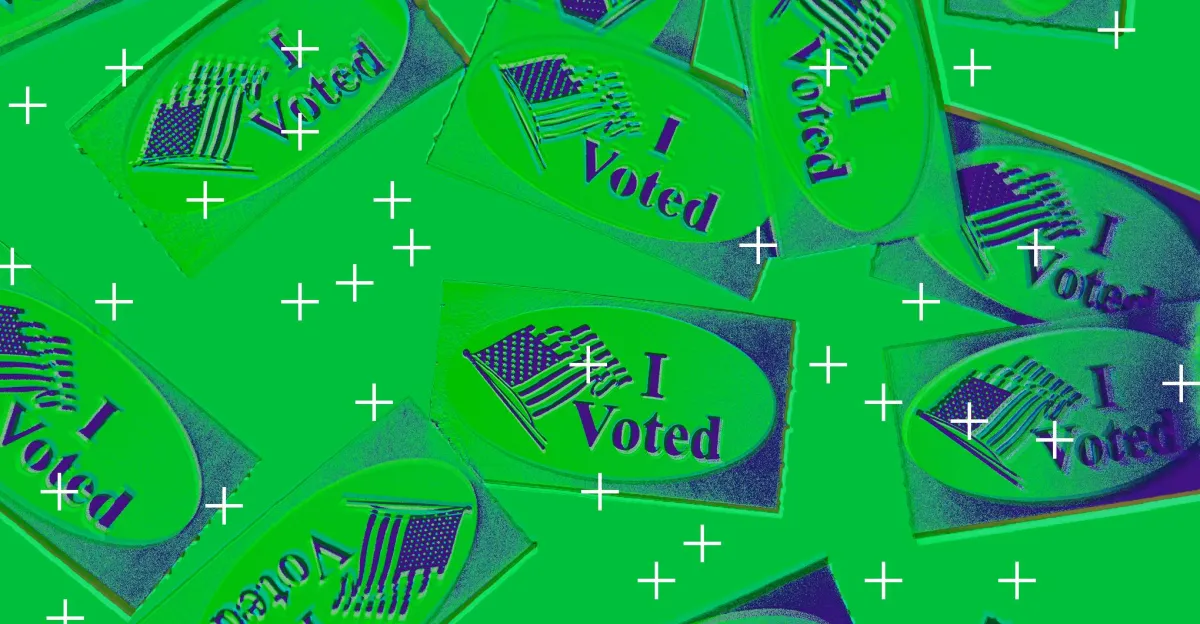
Billions of political text messages are flooding US mobile devices ahead of the midterm elections, driven by a Supreme Court ruling easing mass messaging restrictions. Industry estimates range from 15 billion in 2022 to 25-30 billion this year. Consumers face challenges as political texts remain exempt from do-not-call list protections, raising concerns about spam and voter confusion.
Key points
- An estimated 25 billion to 30 billion political text messages are being sent ahead of the US midterm elections, according to YouMail CEO Alex Quilici.
- A prior Supreme Court decision facilitated the surge by making it easier to send mass political calls and texts without explicit consent.
- Political texts and calls are exempt from federal do-not-call list regulations, leaving consumers with limited recourse to block them.
- The volume of messages this cycle is approximately 10 percent higher than in the 2022 midterm elections.
- Consumer watchdogs warn that the exemption from do-not-call rules allows political campaigns to bypass traditional spam protections.
The Deluge of Political Messaging
Mobile phone users across the United States are experiencing an unprecedented volume of political text messages as the midterm elections approach. The influx includes a wide variety of content, ranging from urgent fundraising appeals to partisan attacks and voter mobilization efforts. Recipients report receiving messages with subject lines and body text that mimic personal correspondence or urgent alerts, often containing links to donation pages or voter registration drives. This saturation of digital communication channels highlights the increasing reliance of political campaigns on direct-to-consumer messaging strategies.
Regulatory Landscape and Supreme Court Impact
The current environment for political messaging is shaped significantly by a Supreme Court decision made the previous year. This ruling interpreted existing laws in a way that made it easier for organizations to send mass political calls and texts without obtaining prior consent from recipients. The decision has effectively lowered the barrier for high-volume messaging, allowing campaigns and political action committees to bypass stricter telemarketing regulations that typically apply to commercial entities. This legal shift has been a primary driver behind the exponential growth in political text volume observed in recent election cycles.
Industry Estimates and Volume Growth
Industry experts provide varying estimates regarding the scale of this messaging campaign. Robokiller, a call-blocking company, reported that 15 billion political texts were sent during the 2022 midterm elections. In contrast, Alex Quilici, CEO of the spam protection service YouMail, estimates that the volume for the current year ranges between 25 billion and 30 billion political texts. Quilici notes that this figure is an informal approximation but indicates that the current volume is approximately 10 percent higher than the previous cycle. These numbers underscore the massive scale of digital political outreach in the US.
Consumer Protections and Do-Not-Call Exemptions
Despite the volume of messages, consumers have limited legal tools to stop them. Teresa Murray, director of the consumer watchdog group PIRG, highlights that political calls and texts are exempt from do-not-call list rules. This exemption means that individuals cannot register their numbers to block political messaging in the same way they can for commercial telemarketers. Murray points out that while the election is imminent, the regulatory framework does not provide immediate relief for those overwhelmed by the messages. This regulatory gap leaves many voters feeling unable to control the influx of political content on their devices.
Implications for the Electorate
The sheer volume of political texts raises concerns about voter confusion and information overload. With messages often containing urgent calls to action or partisan rhetoric, recipients may struggle to distinguish between legitimate campaign communications and potential spam or misinformation. The lack of opt-out mechanisms for political texts further exacerbates this issue, as users cannot easily unsubscribe from specific senders. As the election nears, the impact of this messaging strategy on voter behavior and perception remains a subject of ongoing analysis by media experts and political analysts.
Key takeaways
- Political texts are exempt from do-not-call list rules, limiting consumer ability to block them.
- Supreme Court rulings have facilitated easier mass messaging for political campaigns.
- Estimates suggest 25-30 billion political texts are being sent this election cycle.
- The volume represents a 10 percent increase over the 2022 midterm elections.
- Consumer watchdogs warn of the challenges posed by unrestricted political messaging.
Sources
The WireByte editorial team synthesises technology news from multiple primary sources, verifies the facts, and links every source. Articles are produced with AI assistance and reviewed under our editorial policy.