US Blacklists Megaspeed Amid Nvidia CEO Scandal and Spy Allegations
The US Commerce Department added Singaporean firm Megaspeed to its trade blacklist, citing national security risks and alleged smuggling of AI chips to China. This move follows the reinstatement of Nvidia CEO Jensen Huang, who resigned after reports of an affair with Alice Huang, a former Megaspeed executive suspected by US officials of being a Chinese intelligence asset. China denies the espionage claims.
Key points
- The US Commerce Department added Singapore-based Megaspeed and its affiliates in Malaysia and Thailand to the Entity List, blocking American tech sales without a license.
- Nvidia CEO Jensen Huang was unanimously reappointed by the board just days after resigning due to an extramarital affair with Alice Huang, a former Megaspeed executive.
- US officials suspect Alice Huang of being a Chinese intelligence asset, with investigations dating back to 2024 regarding the diversion of advanced computing commodities to China.
- China has denied allegations that Alice Huang was a spy, while Nvidia had previously placed Megaspeed on its own no-sell list in June 2025.
- The blacklist cites significant risks of unauthorized end-use, following reports that Megaspeed servers in Malaysia were found packed in boxes rather than in operation.
Trade Restrictions and National Security Concerns
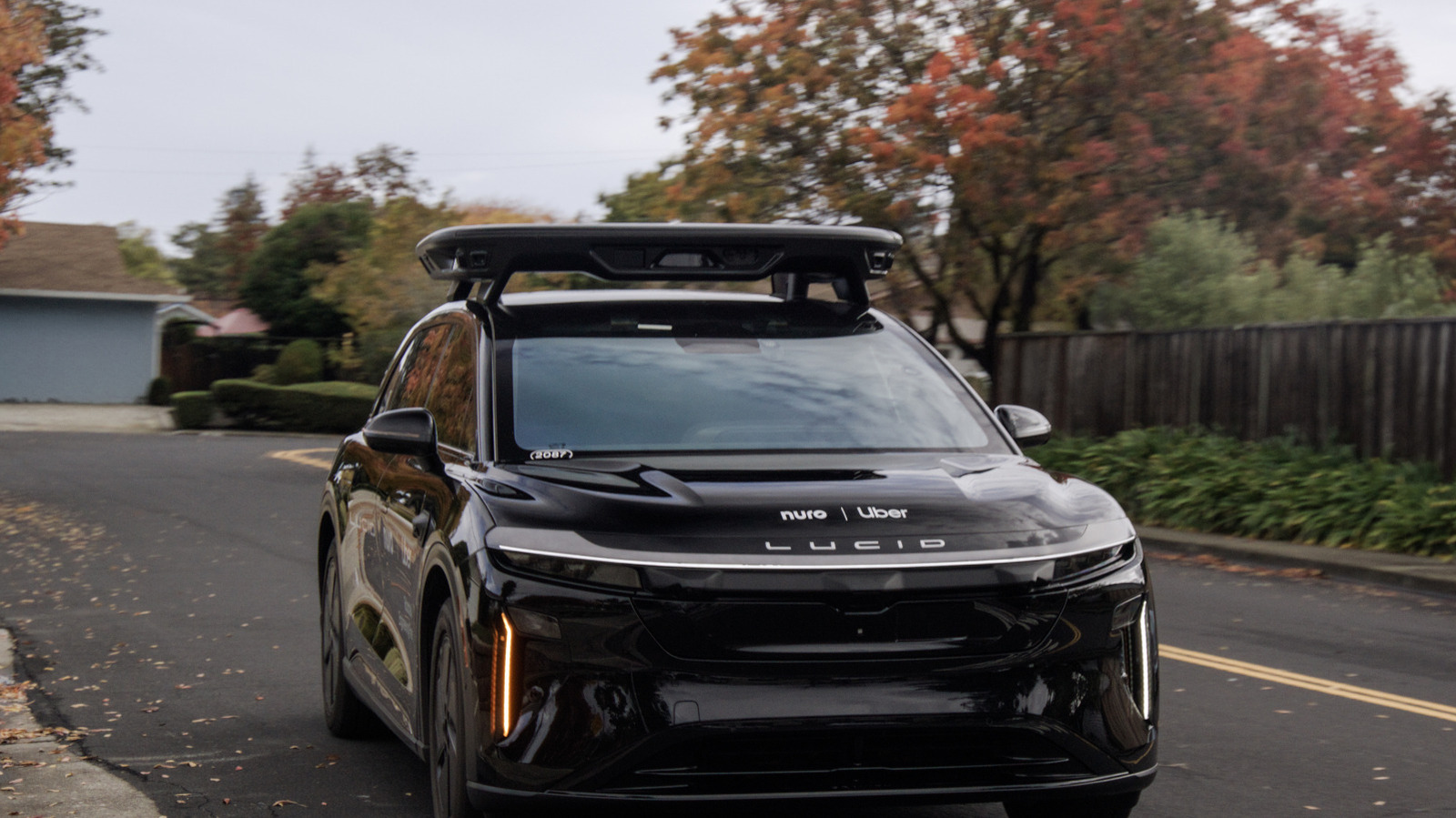
The United States Commerce Department has officially added Megaspeed, a Singaporean cloud computing firm, to its Entity List. This designation imposes strict trade restrictions, prohibiting any American company, including semiconductor giant Nvidia, from selling technologies such as advanced AI chips to Megaspeed or its affiliates without explicit federal licensing. The move underscores escalating tensions over the export of sensitive computing hardware and highlights the US government's intensified scrutiny of supply chains that may facilitate the transfer of advanced technology to restricted nations.
The Department of Commerce stated in a formal filing that Megaspeed and its affiliated entities in Malaysia and Thailand pose a significant risk of involvement in the diversion of advanced computing commodities to unauthorized end uses or users. This legal action follows a prolonged investigation that began in 2024, during which US authorities alleged that the company was engaged in smuggling advanced AI chips to China, where direct purchases by Chinese entities are banned. The blacklist effectively isolates Megaspeed from the American technology ecosystem, aiming to curb potential national security threats linked to the proliferation of dual-use technologies.
The Nvidia CEO Controversy
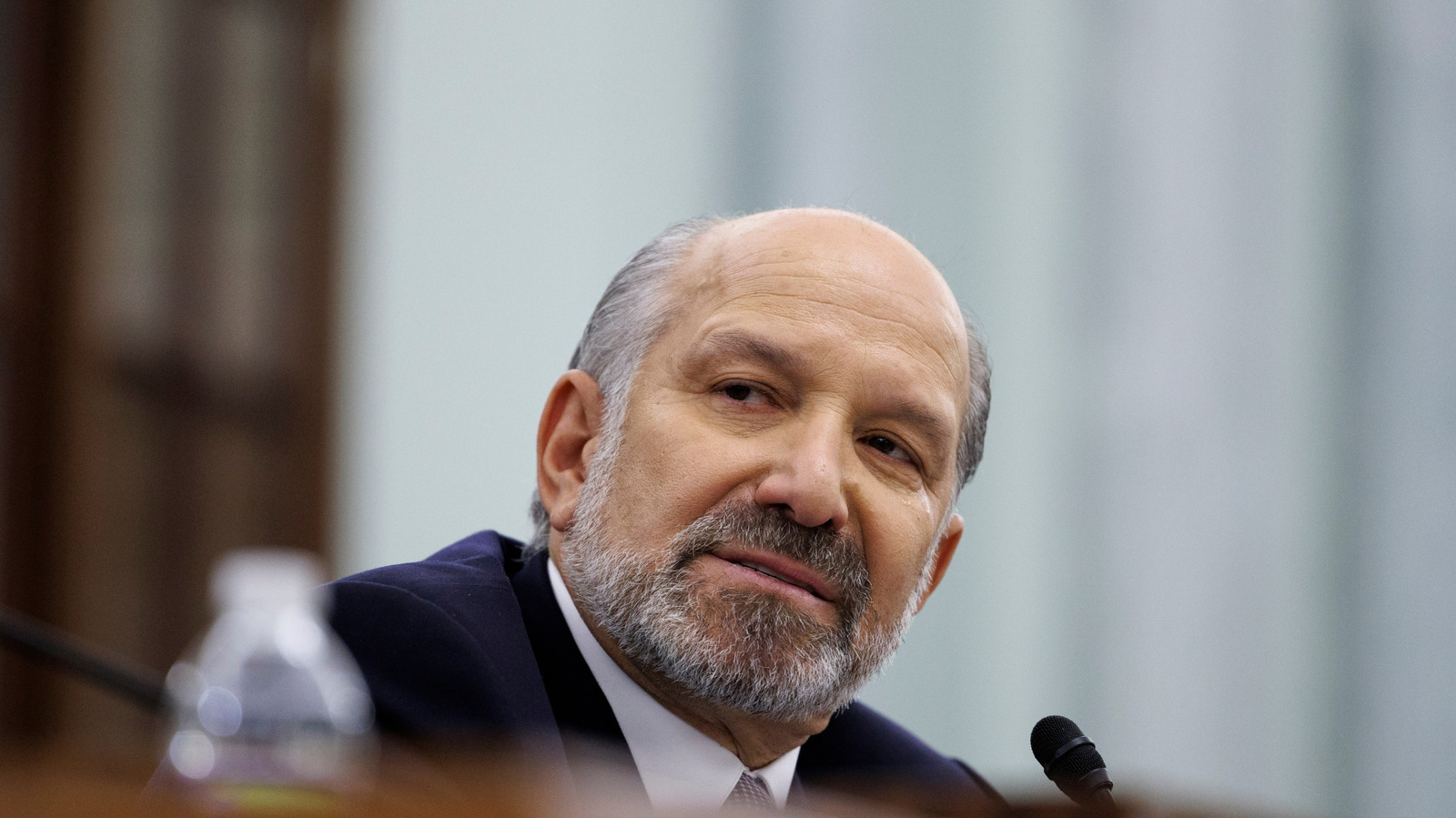
The timing of the blacklist coincides with a dramatic corporate upheaval at Nvidia. Jensen Huang, the founder and long-time CEO of Nvidia, was unanimously reappointed by the company's board of directors on Monday. This decision came just days after Huang resigned on November 12, following widespread reports that he had cultivated multiple extramarital affairs. One of these relationships involved Alice Huang, a former executive at Megaspeed who holds no familial relation to the Nvidia CEO.
Alice Huang’s role at Megaspeed has become central to the controversy. She acquired a controlling stake in the company in 2023 before departing in August 2025. US officials have raised serious concerns regarding her background, suspecting her of being an intelligence asset for China. The Commerce Department’s investigation into Megaspeed was reportedly spurred by revelations of the affair and the subsequent national security implications. Prior to the government’s action, Nvidia had already placed Megaspeed on its own internal no-sell list in June 2025, indicating early awareness of the risks associated with the firm.
Political and Diplomatic Fallout
Jensen Huang’s reinstatement has drawn attention from the highest levels of the US government. Reports indicate that President Donald Trump intervened directly to support Huang’s return to the CEO position, overriding initial hesitation from Nvidia’s board. Harvey Jones, the chair of Nvidia’s board, had previously stated that the company did not intend to reinstate Huang, highlighting the internal discord that preceded the presidential intervention. The political backing underscores the strategic importance of Nvidia to the US technology sector and the administration’s stance on leadership stability amid scandal.
Meanwhile, the diplomatic fallout continues as China has firmly denied allegations that Alice Huang was a spy. The denial adds a layer of international complexity to the case, as Beijing often disputes accusations of espionage and technology theft. The New York Times reported that a Commerce Department official’s visit to a Megaspeed data center in Malaysia revealed servers packed in boxes rather than in operation, fueling suspicions that the facility was used for storage and diversion rather than active computing. This physical evidence supports the government’s claim of unauthorized diversion.
Enforcement and Future Implications
The Commerce Department will now bear primary responsibility for enforcing trade restrictions on Megaspeed. This marks a shift from previous accusations that Commerce Secretary Howard Lutnick was too close to certain business interests, as the department faces increased pressure to demonstrate rigorous enforcement of export controls. The listing of Megaspeed serves as a stark warning to other entities that may attempt to circumvent US export bans. As investigations continue, the case highlights the intricate link between corporate governance, personal conduct, and national security in the global technology landscape. The outcome may influence future regulatory approaches to high-profile executives and their business associates in sensitive industries.
Key takeaways
- The US Commerce Department blacklisted Megaspeed and its affiliates for national security risks related to AI chip diversion.
- Nvidia CEO Jensen Huang was reinstated after resigning due to an affair with Alice Huang, a former Megaspeed executive.
- US officials suspect Alice Huang of being a Chinese intelligence asset, with investigations starting in 2024.
- China denies espionage allegations, while Nvidia had previously banned sales to Megaspeed in June 2025.
- Physical evidence from a Malaysia data center supports claims of unauthorized storage and diversion of technology.
Sources
The WireByte editorial team synthesises technology news from multiple primary sources, verifies the facts, and links every source. Articles are produced with AI assistance and reviewed under our editorial policy.