Uber, Lucid, Nuro Begin Fully Driverless Robotaxi Testing in SF Bay Area
Uber, Lucid, and Nuro have commenced fully driverless testing of robotaxis in the San Francisco Bay Area, marking a pivotal step toward a public launch scheduled for Q1 2027. The partnership utilizes Nuro’s autonomous system in Lucid Gravity SUVs, aiming to compete directly with established rivals like Waymo. This phase follows the acquisition of a California DMV permit, signaling a significant escalation in the global autonomous vehicle race.
Key points
- Uber, Lucid Motors, and Nuro have initiated fully driverless public road testing in the San Francisco Bay Area, removing human safety operators from the vehicles.
- The autonomous service, powered by Nuro’s Level 4 'Nuro Driver' system, is targeted for a public launch in the first quarter of 2027.
- Testing is currently restricted to four South Bay cities: Palo Alto, Mountain View, Los Altos, and Sunnyvale, with expansion planned for next year.
- Lucid has delivered over 100 upgraded Gravity SUVs equipped with cameras, lidar, and radar, having begun pre-production manufacturing in October.
- This initiative represents Uber’s strategic return to autonomous ride-hailing, directly challenging incumbents like Waymo and Zoox in their home market.
Strategic Alliance Enters Critical Testing Phase
Uber, Lucid Motors, and Nuro have officially begun fully driverless testing of their robotaxi fleet on public roads in the San Francisco Bay Area. This development marks a significant milestone for the three-way partnership, as it removes the final human safety operators from the vehicles, a critical regulatory and operational hurdle. The testing phase follows the group's acquisition of a California DMV Driverless Testing Permit in May, which granted them permission to operate without a driver behind the wheel. While the companies initially announced the global robotaxi program in July 2025, the transition from supervised testing to fully autonomous operations represents a major acceleration in their deployment timeline.
Fleet Expansion and Technical Specifications
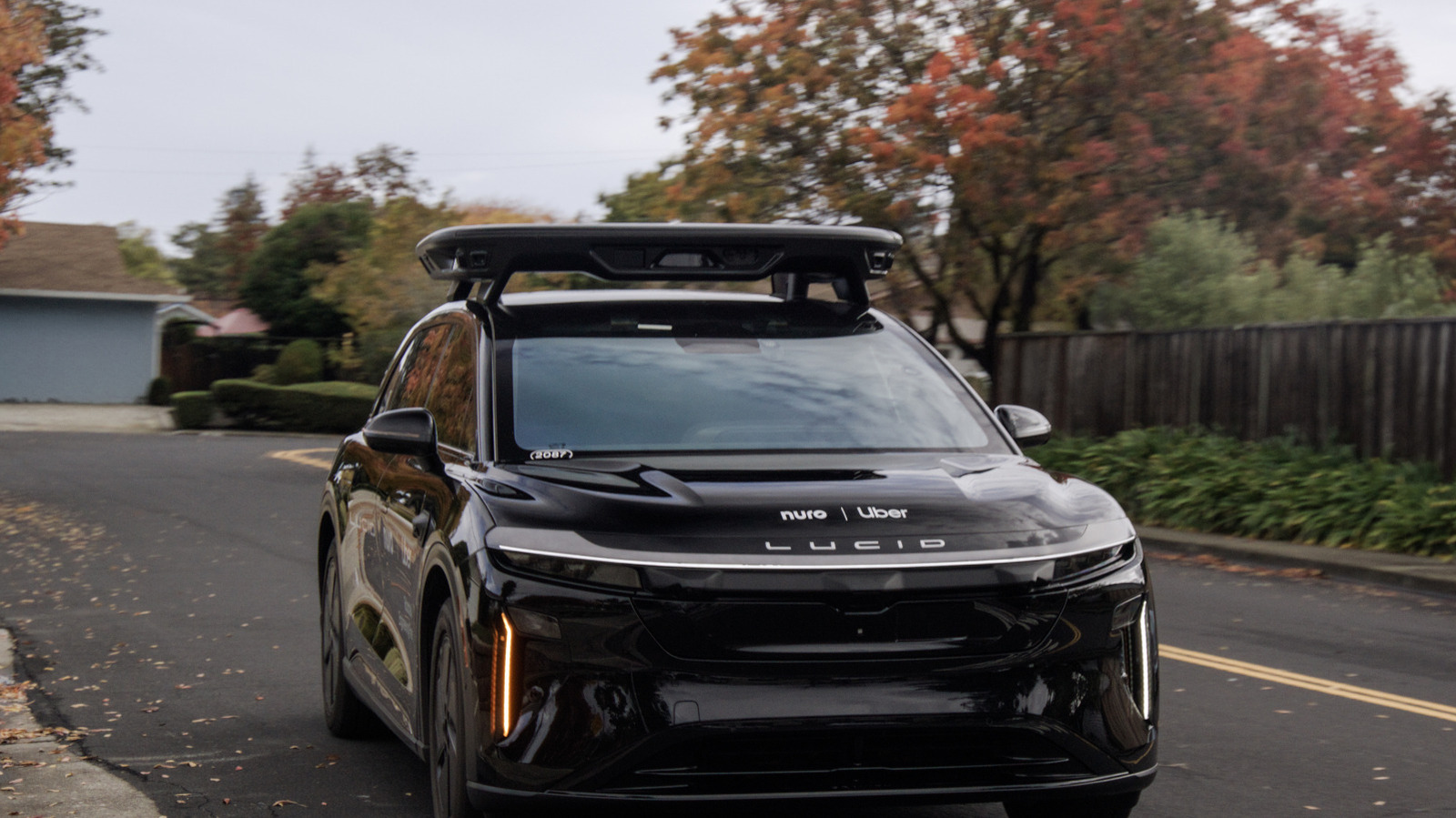
The autonomous fleet consists of modified Lucid Gravity SUVs, which are equipped with a comprehensive suite of sensors including high-resolution cameras, LIDAR sensors, and radars. These vehicles are powered by Nuro’s end-to-end autonomous driving system, known as the "Nuro Driver," which operates at Level 4 autonomy. Lucid has significantly expanded its fleet, delivering more than 100 upgraded Gravity SUVs to support the testing and upcoming commercial operations. This number represents an increase from the 75 engineering vehicles previously on the road earlier this year. To meet regulatory safety approvals, Lucid began manufacturing pre-production models in October and plans to commence full commercial fleet manufacturing in the coming weeks.
Geographic Scope and Operational Rollout
Initial testing is confined to four specific cities in the South Bay area: Palo Alto, Mountain View, Los Altos, and Sunnyvale. The companies have stated that the testing will expand to additional cities across the broader Bay Area in the coming year. Before the public launch, the partnership will also begin offering rides to employees on the autonomous vehicles, allowing for internal validation of the system’s safety and reliability. The vehicles feature a roof-mounted LED "halo" that displays a rider’s initials and pickup status, providing visual feedback to pedestrians and other road users. This technological integration is designed to enhance transparency and safety in mixed traffic environments.
Market Context and Competitive Landscape
This initiative marks Uber’s aggressive comeback in the autonomous ride-hailing sector, following the abandonment of its own in-house autonomous efforts years ago. By partnering with Lucid and Nuro, Uber is positioning itself to compete directly with entrenched rivals such as Waymo and Zoox, which have already established significant operational footprints in the region. The public launch is now slated for the first quarter of 2027, a slight delay from the partnership’s original target of late 2026. This timeline adjustment suggests a cautious approach to scaling operations, ensuring that the technology meets all safety and regulatory standards before entering the public sphere. The move underscores the intensifying competition in the global autonomous vehicle market, where speed to market and safety records are critical differentiators.
Key takeaways
- Uber, Lucid, and Nuro have started fully driverless testing in four South Bay cities, marking a major step toward a 2027 public launch.
- The fleet uses Nuro’s Level 4 autonomous system in Lucid Gravity SUVs, with over 100 vehicles currently deployed for testing.
- The partnership aims to compete directly with Waymo and Zoox, signaling Uber’s renewed commitment to autonomous ride-hailing.
- Lucid is ramping up production of pre-commercial models to meet the regulatory and operational demands of the upcoming service.
- Employee rides will precede the public debut, serving as a final validation phase for the autonomous technology.
Sources
The WireByte editorial team synthesises technology news from multiple primary sources, verifies the facts, and links every source. Articles are produced with AI assistance and reviewed under our editorial policy.