ULA Vulcan Rocket Fails, Losing 40 Amazon Leo Satellites
United Launch Alliance’s Vulcan Centaur rocket suffered an anomaly 10 minutes after launch on November 15, failing to deliver 40 Amazon Leo satellites to orbit. This marks ULA’s first mission failure in its 20-year history. Amazon acknowledged the risk of inaugural missions but affirmed its trust in the launch provider as investigations begin.
Key points
- United Launch Alliance (ULA), the primary launch provider for U.S. government missions, experienced its first mission failure in 20 years with its Vulcan Centaur rocket.
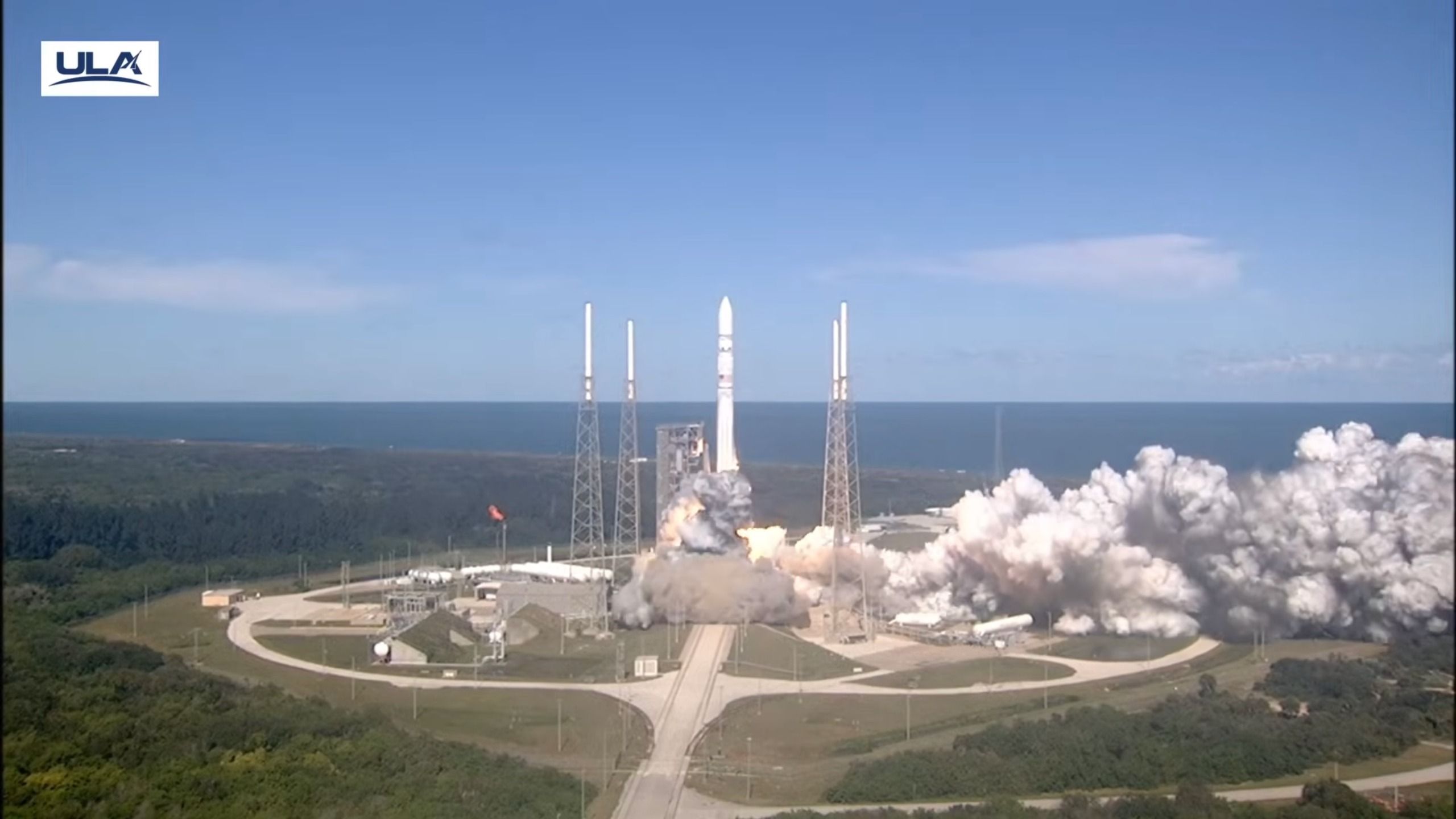
- The launch occurred on November 15 from Space Launch Complex 41 at Cape Canaveral, carrying 40 satellites for Amazon’s Leo broadband constellation.
- An anomaly occurred 10 minutes into the flight, preventing the payload from reaching low Earth orbit and resulting in the total loss of the satellites.
- This failure impacts Amazon’s strategy to compete with SpaceX’s Starlink, as the company had contracted 38 such flights with ULA to build its network.
- Both companies expressed confidence in continuing the partnership, with Amazon citing the inherent risks of inaugural missions and ULA pledging a transparent investigation.
Launch Anomaly and Payload Loss
United Launch Alliance (ULA) reported a significant failure during the return-to-flight mission of its Vulcan Centaur rocket on November 15, 2026. The vehicle lifted off from Space Launch Complex 41 at Cape Canaveral Space Force Station in Florida at 12:40 p.m. ET (1740 GMT). The mission was intended to deploy 40 satellites for Amazon’s Low Earth Orbit (LEO) broadband constellation, a project designed to compete directly with SpaceX’s Starlink network. However, the rocket suffered an anomaly approximately 10 minutes into the flight, failing to deliver the payload to its intended orbit. ULA confirmed the loss of the mission in a statement posted on X, noting that specific data regarding the cause of the failure was not yet available. This event marks the first mission failure for ULA in its two-decade history, a company known for its reliable track record with national security and government payloads.
Impact on Amazon’s Broadband Strategy
The failure represents a substantial setback for Amazon’s ambitious internet infrastructure plans. Amazon had contracted ULA for 38 separate launch flights to deploy its Leo constellation. While the company has previously launched a small portion of the necessary satellites, this loss removes a significant chunk of the planned network from the equation. Amazon responded to the failure by acknowledging the inherent risks associated with new launch vehicles. In a statement on X, the tech giant emphasized that ULA has been a trusted partner and expressed confidence that the provider would learn from the incident. The company noted that inaugural missions, such as the Vulcan’s early flights, carry higher risks, suggesting that the partnership would continue despite the setback.
Vulcan’s Troubled Return-to-Flight
The Vulcan Centaur was developed as the successor to ULA’s long-serving Atlas V rocket, which had been the workhorse for U.S. space operations for decades. The Vulcan program has faced significant hurdles since its debut in January 2024. Prior to this November launch, the rocket had completed four flights. Two of those missions, the second in October 2024 and the fourth in February 2026, experienced issues with their solid rocket boosters (SRBs). In both instances, an SRB nozzle burned through and detached approximately 30 seconds after launch. Although the rocket managed to overcome these specific booster failures and successfully deliver its payloads, the recurring technical issues have cast a shadow over the program’s reliability. This latest failure, occurring 10 minutes into flight, suggests a different or more complex problem than the earlier booster anomalies.
Industry and Regulatory Context
The failure of the Vulcan Centaur raises questions about the competitive landscape of the commercial launch industry. With SpaceX dominating the market through its Falcon 9 and Starship vehicles, ULA and other providers are under pressure to demonstrate reliability and cost-effectiveness. The loss of 40 satellites not only impacts Amazon’s timeline but also highlights the risks inherent in relying on newer launch systems for critical infrastructure. ULA has pledged transparency as it begins its investigation into the cause of the anomaly. The company is expected to work closely with NASA and other stakeholders to determine the root cause. The outcome of this investigation will be crucial for ULA’s future contracts and the broader perception of the Vulcan program.
Key takeaways
- ULA’s Vulcan Centaur rocket failed 10 minutes after launch on November 15, losing 40 Amazon Leo satellites.
- This is ULA’s first mission failure in its 20-year history, marking a significant event for the launch provider.
- Amazon, which contracted 38 flights for its broadband constellation, expressed confidence in continuing the partnership despite the loss.
- The Vulcan program has faced previous issues with solid rocket booster nozzles in two of its four prior flights.
- The cause of the failure is currently unknown, with ULA pledging a transparent investigation into the anomaly.
Sources
The WireByte editorial team synthesises technology news from multiple primary sources, verifies the facts, and links every source. Articles are produced with AI assistance and reviewed under our editorial policy.