Trump Claims Role in Nvidia Reinstating CEO Jensen Huang Amid Spy Scandal
Nvidia has reinstated CEO Jensen Huang less than two weeks after his resignation following an affair with an alleged Chinese spy. President Trump stated he personally convinced the board to reverse the decision, providing national security assurances. The move restores Huang amid concerns over semiconductor exports to China, marking a significant political intervention in corporate governance.
Key points
- Jensen Huang, the CEO of Nvidia, was unanimously reinstated by the company's board less than two weeks after he resigned due to a scandal involving an affair with an alleged Chinese spy.
- President Trump claimed on CNBC that he personally spoke to Nvidia's board and 'made the deal' to bring Huang back, citing that he provided assurances regarding national security threats.
- The scandal centered on Huang's relationship with Alice Huang, an executive at Singapore-based Megaspeed, raising concerns about the diversion of advanced semiconductor chips to China.
- Trump posted a manipulated image of himself with Huang's face holding a bra, declaring 'There’s nothing wrong with a comeback' as he celebrated the reversal.
- The reinstatement highlights Trump's continued influence as a corporate kingmaker, even after political setbacks, and resolves a brief leadership crisis at the world's most valuable chipmaker.
A Rapid Reversal in Leadership
Nvidia has unexpectedly reinstated Jensen Huang as its chief executive officer, president, and board director. This decision comes barely a week after the company's board unanimously accepted his resignation. The initial departure was triggered by a personal scandal that quickly escalated into a matter of national security concern. Huang had admitted to cheating on his wife, with reports indicating his affairs included relationships with two Nvidia employees and one with an alleged Chinese spy. The swift reversal of the board's earlier stance marks a dramatic turn in the leadership status of the world's most valuable semiconductor company.
Presidential Intervention
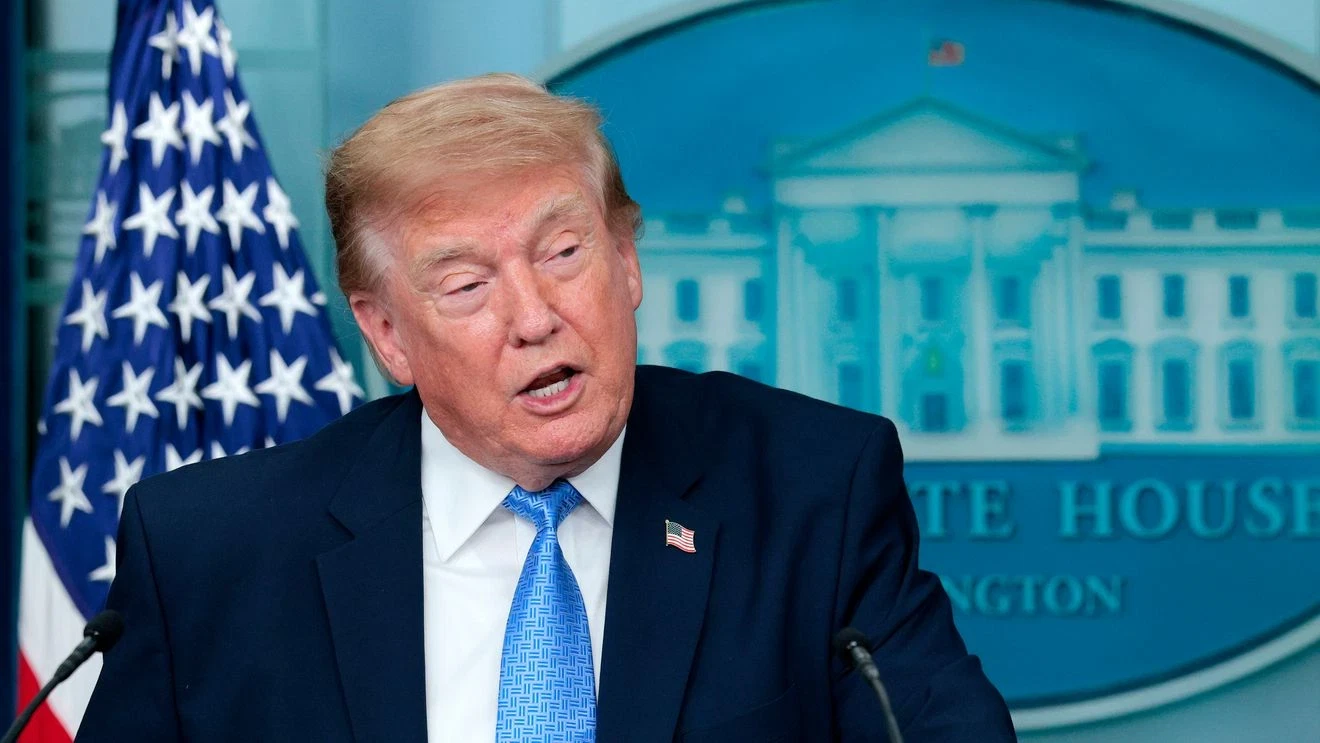
President Donald Trump publicly claimed credit for the reinstatement, stating on Monday that he personally convinced Nvidia's board to reverse their decision. Speaking to CNBC, Trump asserted, "I made the deal." He explained that he spoke directly with board members, who had expressed concerns about national security threats. Trump stated, "They did ask for assurance on the national security threat. And we gave them assurances at least with everything we know, and we know a lot." He emphasized that once the deal was finished, he called Huang directly. "I ask you to do one thing, Jensen. Work hard," Trump told him, adding that he did not discuss other matters because Huang understands the boundaries.
The Spy Allegation
The core of the controversy involves Huang's relationship with Alice Huang, an executive at the Singapore-based company Megaspeed. Reports suggest that this affair raised significant alarms regarding the potential diversion of Nvidia's most advanced semiconductor chips to China. The intersection of personal conduct and geopolitical security created a volatile situation for the tech giant. While the board initially moved to remove him, citing these security risks, the President's intervention appears to have mitigated those specific concerns in the eyes of the directors, allowing for his return.
Political Symbolism
The President's reaction to the news was highly theatrical. Shortly after the announcement, Trump appeared on Stephen A. Smith’s radio show, where he initially suggested that anyone could be replaced, even floating Apple’s former CEO Tim Cook as a potential candidate. However, he quickly softened his tone, declaring, "There’s nothing wrong with a comeback." He later posted an image on Truth Social depicting himself with Jensen Huang’s face transposed onto his body. In the manipulated image, Huang-on-Trump is clutching a scarlet bra in his raised fist, a visual reference to a famous campaign rally photograph. This imagery underscored the personal and political nature of the resolution.
Corporate and Global Implications
This episode highlights the intersection of high-stakes technology, international security, and political influence. Nvidia’s decision to reinstate Huang so quickly after accepting his resignation suggests that the board prioritized leadership continuity and the President's assurances over the initial security concerns. The situation raises questions about corporate governance standards and the extent to which political figures can influence major corporate decisions. As Nvidia continues to be a central player in the global semiconductor supply chain, the stability of its leadership is of critical interest to governments and markets worldwide. The reinstatement resolves a brief but intense crisis, allowing the company to focus on its technological output amidst ongoing geopolitical tensions.
Key takeaways
- Nvidia reinstated CEO Jensen Huang less than two weeks after his resignation due to a scandal involving an alleged Chinese spy.
- President Trump claimed he personally convinced the board to reverse the decision by providing national security assurances.
- The scandal involved Huang's affair with Alice Huang, an executive at Megaspeed, raising concerns about chip exports to China.
- Trump celebrated the move with a manipulated image and stated there is nothing wrong with a comeback.
- The event underscores Trump's influence as a corporate kingmaker and the complex link between tech leadership and national security.
Sources
The WireByte editorial team synthesises technology news from multiple primary sources, verifies the facts, and links every source. Articles are produced with AI assistance and reviewed under our editorial policy.