Tesla to End Cybertruck Production in Eight Months, Musk Cites Cybercab Opportunity
Tesla CEO Elon Musk announced the Cybertruck production line will close in approximately eight months, with refunds issued for many deposits. Musk defends the decision, stating demand exceeds supply but argues that reallocating factory resources to the Cybercab robotaxi offers greater value. Industry estimates suggest roughly 71,000 units have been sold since late 2023, contradicting claims of unprofitability.
Key points
- Elon Musk, CEO of Tesla, announced that Cybertruck production will cease in approximately eight months, with the company planning to return deposits to a significant number of customers.
- Musk stated that order rates far exceed production capabilities, arguing that the complexity of the Cybertruck creates an opportunity cost that outweighs its value compared to the Cybercab robotaxi.
- Industry experts estimate that approximately 71,000 Cybertrucks have been sold since the first deliveries began in November 2023, despite initial reservation numbers reaching one million.
- Musk defended the decision against reports of unprofitability, asserting that Tesla is prioritizing the production of two-seater Cybercabs to maximize factory output and value.
- Tesla does not report precise sales figures or model-specific profitability, making independent verification of Musk's claims regarding demand and financial performance difficult.
Strategic Shift Toward Robotaxis
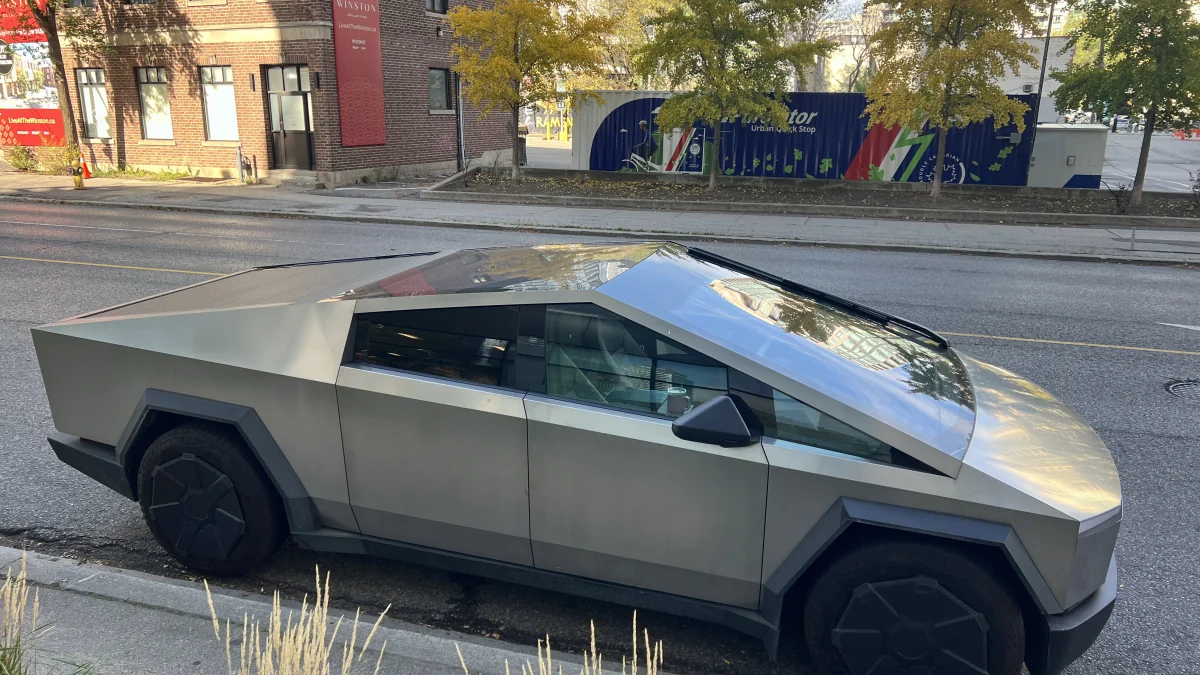
Tesla CEO Elon Musk has officially announced the impending end of Cybertruck production, marking a significant pivot in the company's manufacturing strategy. In a post on the social media platform X, Musk confirmed that the production line for the distinctive stainless-steel electric pickup will shut down in approximately eight months. This decision comes after weeks of speculation regarding the vehicle's market performance and the company's future resource allocation. Musk emphasized that the move is not driven by a lack of consumer interest or financial loss, but rather by a strategic realignment toward autonomous vehicle technology.
Demand vs. Production Realities
Musk sought to clarify the narrative surrounding the Cybertruck's market reception, asserting that the order rate significantly exceeds the company's current production capacity. He stated that Tesla intends to manufacture as many units as possible before the line closes, but acknowledged that the company will be forced to return deposits to a large number of pending customers. This admission highlights the gap between initial consumer enthusiasm and the practical limitations of manufacturing scale. The CEO argued that the complexity of producing the Cybertruck creates an opportunity cost that is vastly outweighed by the potential value of incremental Cybercab production.
Financial Justification and Cybercab Focus
The primary driver behind this production halt is the shift in focus toward the Cybercab, Tesla's two-seater robotaxi. Musk indicated that the factory space and resources currently dedicated to the Cybertruck will be repurposed to build more Cybercabs. He defended the Cybertruck against claims of unprofitability, which have been circulated by various media outlets. Musk insisted that the vehicle is not unprofitable, attributing the negative reporting to a misunderstanding of the company's broader operational goals. The decision reflects a calculated risk to prioritize the development and deployment of autonomous ride-hailing vehicles over traditional pickup truck manufacturing.
Sales Performance and Market Context
Since the first deliveries began in late 2023, the Cybertruck has faced challenges in translating initial hype into sustained sales volume. Musk previously reported that reservations for the vehicle had ballooned to one million, and he had predicted annual sales of around 250,000 units. However, these figures have not materialized in actual sales data. Industry experts estimate that approximately 71,000 Cybertrucks have been sold globally since the launch. Tesla does not break out specific sales numbers for individual models, nor does it disclose profitability metrics for specific vehicles, making it difficult for external analysts to verify the financial health of the Cybertruck program independently.
Industry Reaction and Future Implications
The announcement has sparked debate among industry observers and critics. While Musk frames the decision as a logical step toward maximizing value through autonomous technology, skeptics point to the low sales volume as evidence of limited market appeal. The refunding of deposits for many customers may impact consumer confidence in future Tesla product launches. As Tesla moves forward with the Cybercab, the company faces the challenge of proving that its autonomous vehicle strategy can deliver the financial returns promised. The closure of the Cybertruck line represents a definitive end to an era of polarizing design and a clear signal of Tesla's commitment to its next phase of growth.
Key takeaways
- Tesla will cease Cybertruck production in eight months, requiring deposit refunds for many customers.
- Elon Musk claims order rates exceed production, citing opportunity costs related to Cybercab development.
- Industry estimates place total Cybertruck sales at approximately 71,000 units since late 2023.
- The company is reallocating factory resources from the Cybertruck to the two-seater Cybercab robotaxi.
- Tesla does not disclose model-specific profitability, leaving Musk's claims on unprofitability unverified by external data.
Sources
The WireByte editorial team synthesises technology news from multiple primary sources, verifies the facts, and links every source. Articles are produced with AI assistance and reviewed under our editorial policy.