SpaceX Starship: Dimensions, Power, and Launch Impact
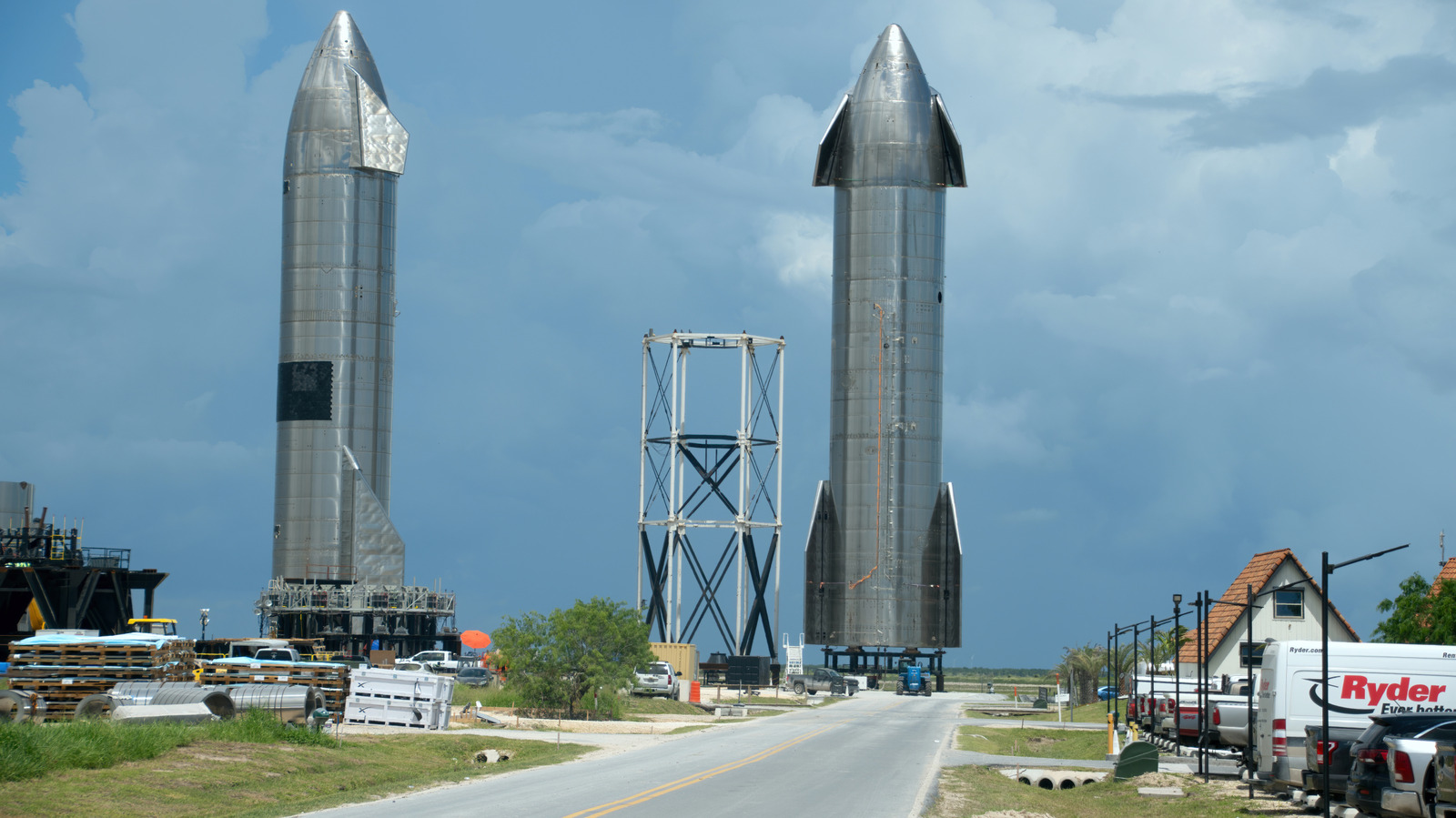
SpaceX’s Starship stands 407 feet tall, making it the tallest rocket ever flown, with 18.1 million pounds of thrust. The Super Heavy booster and Starship upper stage are designed for reusability and deep space transport. During its April 2023 debut, exhaust damage destroyed the launch pad. The vehicle aims to carry humans and cargo beyond Earth orbit.
Key points
- SpaceX, the aerospace manufacturer, operates Starship, the tallest rocket ever flown at 407 feet.
- The vehicle generates 18.1 million pounds of thrust, significantly exceeding NASA's Space Launch System.
- The Super Heavy booster, standing 236.2 feet, powers the 170.6-foot Starship spacecraft.
- During the April 2023 launch, exhaust heat shattered the concrete pad and scattered debris across 385 acres.
- SpaceX intends to recover and reuse both stages for transporting payloads and people beyond Earth orbit.
Unprecedented Scale in Aerospace Engineering
SpaceX has engineered the Starship launch vehicle to be the most powerful and tallest rocket ever flown. When fully stacked with both stages, the system reaches a height of 407 feet. This dimension surpasses that of Hyperion, the tallest known living tree, and exceeds the height of the Statue of Liberty, including its pedestal, by one-third. The design prioritizes immense capability over mere size, serving as a foundation for future deep space exploration missions.
Power and Propulsion Systems
The core of the Starship system is the Super Heavy booster, which stands 236.2 feet tall. It is equipped with 33 Raptor engines that burn liquid methane and liquid oxygen. These engines generate 18.1 million pounds of thrust at liftoff. This power output is more than double that of NASA’s Space Launch System, which produces 8.8 million pounds of thrust. The booster provides the initial push required to lift the upper stage out of Earth's atmosphere.
The Starship Upper Stage
Sitting atop the Super Heavy booster is the Starship spacecraft, which measures 170.6 feet in height. Together, the two stages form a complete two-stage vehicle designed for heavy payload transport. SpaceX’s architecture allows for the recovery and reuse of both the booster and the spacecraft. This reusability is intended to reduce costs and enable frequent launches for carrying both cargo and humans beyond Earth orbit.
Launch Pad Destruction in 2023
The immense power of the Starship system was demonstrated during its first full-stack launch in April 2023. The exhaust from the Super Heavy booster was so intense that it shattered the concrete launch pad. The force excavated the earth beneath the structure and flung debris across an area of 385 acres. This incident highlighted the extreme thermal and mechanical stresses involved in launching such a powerful vehicle.
Thrust Variations and Future Launches
While the April 2023 booster was rated at 16.7 million pounds of thrust, subsequent configurations have seen increases. The launch scheduled for September 28, 2026, is expected to feature a booster with slightly higher thrust ratings. These incremental improvements aim to enhance performance and reliability as SpaceX refines its launch operations. The company continues to test and iterate on the design to ensure safe and efficient reusability.
Strategic Goals for Deep Space
SpaceX’s ultimate objective with Starship is to transport large payloads and eventually carry people and cargo beyond Earth orbit. The vehicle’s size and power are critical for missions requiring significant mass capacity, such as lunar landings or Mars colonization efforts. By developing a fully reusable system, SpaceX aims to make interplanetary travel more feasible and cost-effective. The success of future launches will depend on overcoming the technical challenges posed by the rocket’s sheer scale.
Key takeaways
- Starship is the tallest rocket ever flown, standing 407 feet tall.
- The system generates 18.1 million pounds of thrust using 33 Raptor engines.
- The Super Heavy booster is 236.2 feet, and the Starship spacecraft is 170.6 feet.
- The April 2023 launch destroyed the concrete pad and scattered debris over 385 acres.
- SpaceX plans to reuse both stages for deep space transport missions.
- The vehicle’s thrust exceeds NASA’s Space Launch System by more than double.
Sources
The WireByte editorial team synthesises technology news from multiple primary sources, verifies the facts, and links every source. Articles are produced with AI assistance and reviewed under our editorial policy.