Smart Glasses as Monitors: Mixed Results and Comfort Concerns
Users experimenting with smart glasses as primary monitors report mixed results. While benefits include privacy and workspace decluttering, significant drawbacks remain. Eye strain and display limitations hinder widespread adoption. Experts suggest the technology is not yet ready to fully replace traditional desktop setups for professional use.
Key points
- Users are testing smart glasses to replace traditional computer monitors, citing benefits like privacy and a decluttered workspace.
- The technology allows for flexible virtual displays, enabling work in various environments without hunching over laptops.
- Significant physical comfort issues, including eye strain and headaches, have been reported by early adopters.
- Display limitations and ergonomic challenges suggest the technology is not yet ready to fully replace desktop monitors.
- The mixed results indicate that while promising, smart glasses require further refinement for professional daily use.
The Rise of Virtual Workspaces
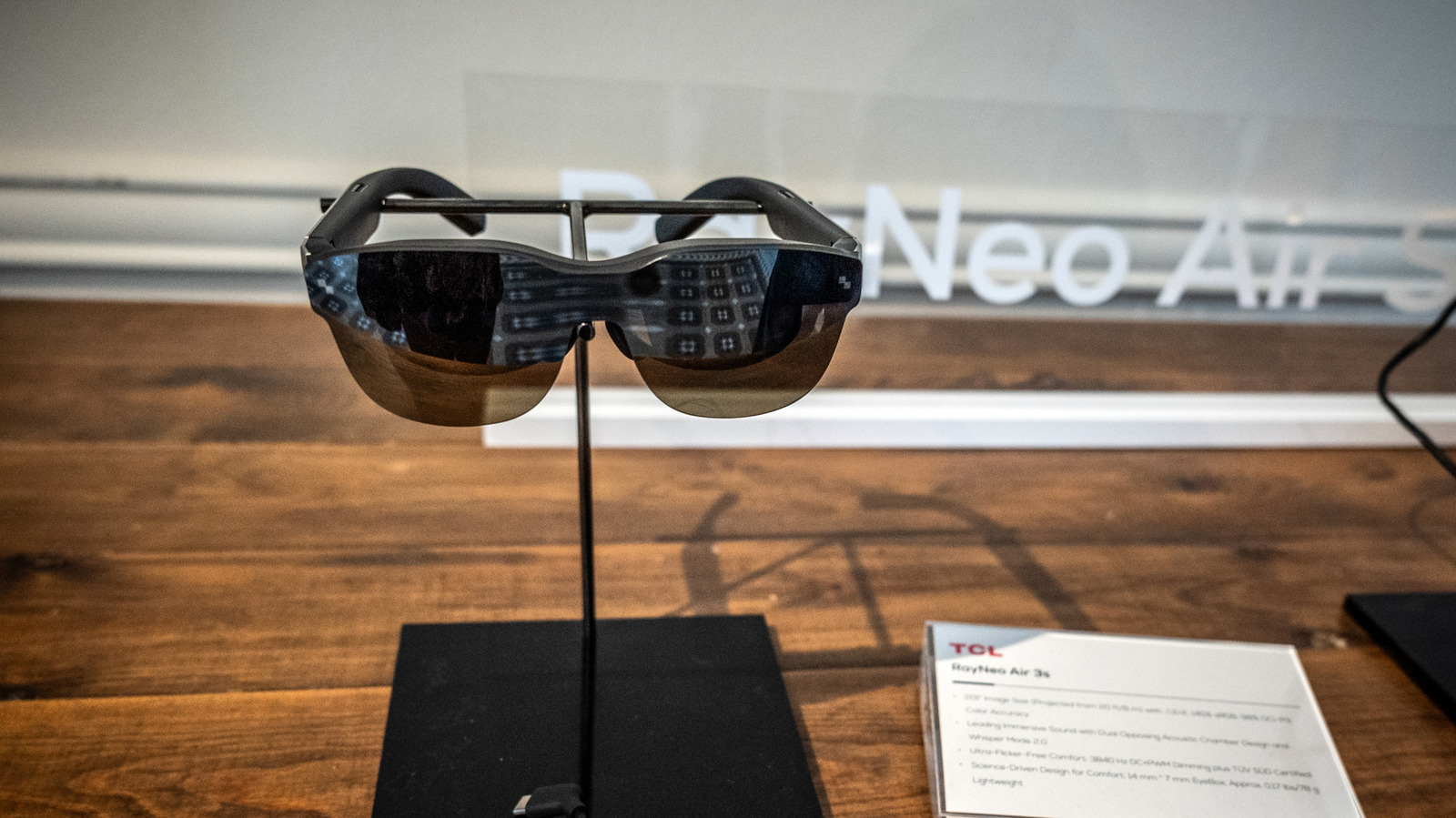
A growing number of tech enthusiasts and early adopters are experimenting with a novel approach to remote and office work: replacing traditional computer monitors with smart glasses. This trend emerges amidst a renewed wave of interest in wearable display technology, driven by advancements in augmented reality and virtual reality hardware. Users are discovering whether these lightweight devices can effectively manage the demands of professional computing tasks, from document editing to complex data analysis, without the bulk of physical screens.
Privacy and Flexibility Benefits
Proponents of using smart glasses as primary displays highlight several distinct advantages over conventional setups. The most immediate benefit is privacy; the content displayed on the glasses is visible only to the wearer, preventing shoulder-surfing in shared or public spaces. Additionally, these devices offer significant flexibility. Users can adjust the size, position, and number of virtual monitors to their personal preferences, creating a customized workspace that adapts to their needs rather than being constrained by physical hardware dimensions.
The Comfort Challenge
Despite the allure of a decluttered desk, the physical experience of wearing smart glasses for extended periods presents substantial hurdles. Desk workers rely on ergonomic setups to prevent back pain, neck strain, and headaches. Early adopters report that smart glasses often fail to provide the same level of comfort. Issues such as eye strain are common, as the eyes must constantly adjust to focus on virtual images at close range. The weight of the glasses and the need to maintain a specific head position can also lead to physical fatigue, making long work sessions uncomfortable.
Display Limitations
Beyond comfort, the technical capabilities of current smart glasses are not yet on par with high-resolution monitors. Display limitations, including lower resolution, smaller effective screen real estate, and potential lag, can hinder productivity. Tasks that require precise visual attention or multitasking across multiple large screens may be more challenging or less efficient on smart glasses. These technical constraints mean that while the concept is appealing, the execution often falls short of the seamless experience users expect from traditional monitors.
Expert Analysis and Future Outlook
Industry analysts and tech reviewers suggest that while the potential for smart glasses is significant, the technology is not yet mature enough to fully replace desktop monitors for professional use. The mixed results from early adopters indicate that further refinements are needed in both hardware comfort and display quality. As the technology evolves, manufacturers may address these issues, but for now, smart glasses are best viewed as a complementary tool rather than a direct substitute for traditional computing hardware.
Key takeaways
- Users are testing smart glasses to replace traditional computer monitors, citing benefits like privacy and a decluttered workspace.
- The technology allows for flexible virtual displays, enabling work in various environments without hunching over laptops.
- Significant physical comfort issues, including eye strain and headaches, have been reported by early adopters.
- Display limitations and ergonomic challenges suggest the technology is not yet ready to fully replace desktop monitors.
- The mixed results indicate that while promising, smart glasses require further refinement for professional daily use.
Sources
The WireByte editorial team synthesises technology news from multiple primary sources, verifies the facts, and links every source. Articles are produced with AI assistance and reviewed under our editorial policy.