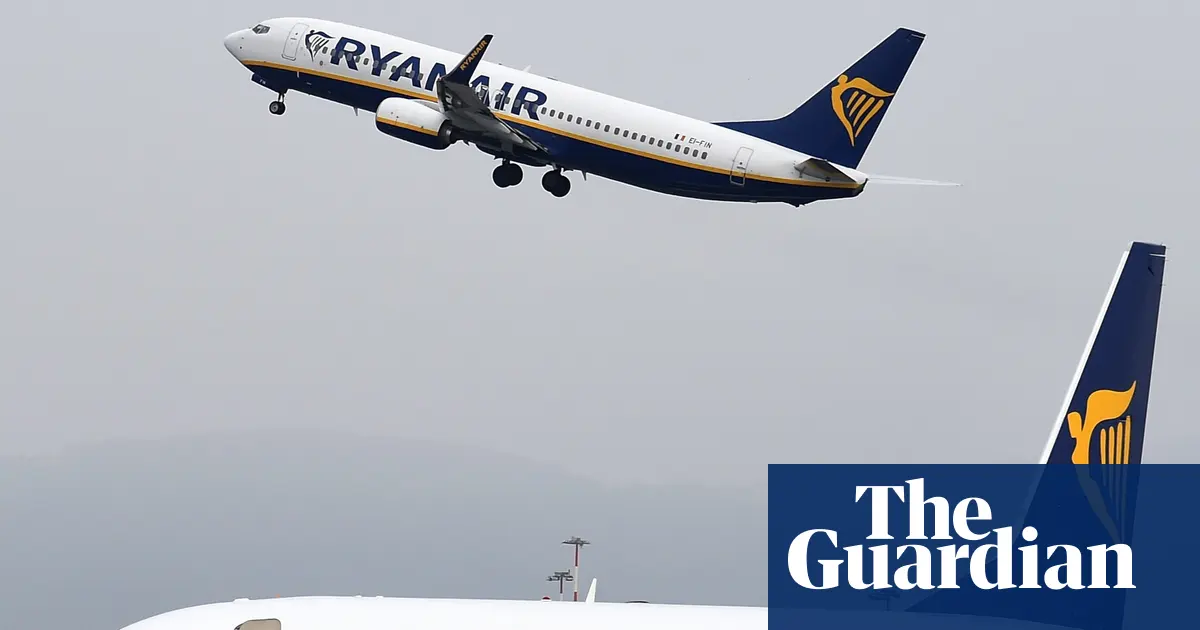
Ryanair Warns of 20% Fare Hikes Amid Soaring Fuel Costs
Ryanair anticipates a €2 billion increase in jet fuel costs due to Middle East tensions, prompting potential pay freezes and reduced crew sizes. CEO Michael O’Leary forecasts European short-haul fares could rise by 20% as hedging deals expire. The airline plans to leverage AI for operational efficiency to mitigate the financial impact of sustained high oil prices through 2027.
Key points
- Ryanair, Europe’s largest low-cost carrier, expects its jet fuel bill to rise by approximately €2 billion in the financial year ending March 2028 due to elevated oil prices linked to the Middle East conflict.
- CEO Michael O’Leary stated that European short-haul fares are likely to increase materially, potentially by up to 20%, as existing cost-hedging agreements mature and expire.
- The airline is reviewing internal costs through measures including temporary pay freezes, reducing crew ratios on flights, and increasing the deployment of artificial intelligence in operational and support functions.
- O’Leary warned that unless a swift resolution occurs in the Middle East, fuel prices will remain high well into 2027, meaning fare hikes may not fully offset the increased fuel expenses.
- Recent market data shows oil prices hitting a six-month high before stabilizing around $110 a barrel, reflecting the volatile energy landscape affecting global aviation.
Fuel Crisis Drives Cost-Cutting Measures
Ryanair has announced it is considering significant cost-cutting strategies, including pay freezes and reduced crew sizes, as it braces for a substantial increase in operating expenses. The European low-cost carrier projects that its jet fuel costs will surge by approximately €2 billion in the upcoming financial year, which concludes in March 2028. This financial strain is directly attributed to soaring fuel prices driven by ongoing geopolitical tensions in the Middle East.
Michael O’Leary, the chief executive of Ryanair, emphasized the severity of the situation, stating that unless there is a swift resolution to the conflict in the Middle East, jet fuel prices are expected to remain elevated well into 2027. The airline is currently reviewing all costs across its group airlines to mitigate these financial pressures. The review focuses on several key areas, including negotiations with airports, maturing labor agreements, and the integration of advanced technologies.
Fare Increases and Hedging Expiry
The airline anticipates that European short-haul fares will increase materially in the coming year. O’Leary suggested that ticket prices could rise by as much as 20% as a result of the higher fuel costs. This projection comes as many airlines see their fuel hedging deals, which were used to lock in lower prices, come to an end. Consequently, carriers are now exposed to current market rates, which have been significantly higher than pre-crisis levels.
While the airline believes that higher fares and reduced capacity among competitors might help offset some of the increased costs, O’Leary noted that this is unlikely to provide a full offset for the estimated €2 billion increase in the fuel bill. The company is therefore looking for additional internal efficiencies to manage the deficit.
AI and Operational Efficiency
A central component of Ryanair’s cost-reduction strategy is the increased use of artificial intelligence. The company plans to deploy AI further in operational and back-office support functions. This technological shift aims to streamline processes and reduce the need for manual labor, complementing other measures such as lower crew ratios on flights. By automating certain tasks, Ryanair hopes to maintain profitability despite the external economic pressures.
Market Context and Future Outlook
The announcement comes amidst a volatile energy market. Oil prices recently hit a six-month high before falling slightly to approximately $110 a barrel. This fluctuation underscores the uncertainty facing the aviation industry. Ryanair’s warning highlights the broader challenges European airlines face as they navigate the intersection of geopolitical instability and economic inflation.
The airline’s strategy reflects a broader industry trend of seeking operational resilience through technology and cost discipline. As fuel prices remain a critical variable, carriers are increasingly reliant on hedging strategies and internal efficiencies to protect their margins. The coming months will be crucial in determining whether Ryanair’s measures can successfully counteract the rising cost of energy.
Key takeaways
- Ryanair expects a €2 billion rise in fuel costs for the year ending March 2028 due to Middle East tensions.
- CEO Michael O’Leary predicts short-haul fares could rise by up to 20% as hedging deals expire.
- The airline is considering pay freezes and reduced crew sizes to cut operational expenses.
- AI deployment will increase in back-office and support functions to improve efficiency.
- Fuel prices are projected to remain high through 2027 without a diplomatic resolution in the Middle East.
Sources
The WireByte editorial team synthesises technology news from multiple primary sources, verifies the facts, and links every source. Articles are produced with AI assistance and reviewed under our editorial policy.