Russian Drones Rely on Chinese Mesh Tech for Extended Ukraine Range
Russian Gerbera drones now use Shenzhen Xingkai Technology's mesh modems to extend control range over Ukraine. This shift followed Starlink access restrictions in February 2026. The hardware, first detected in 2024, enables long-distance communication without traditional infrastructure. Analysts note this gives Russia a tactical advantage, potentially allowing strikes on European targets, while Xingkai remains a sole supplier.
Key points
- Shenzhen Xingkai Technology, a Chinese chip manufacturer, supplies mesh networking modems now embedded in Russian Gerbera drones operating in Ukraine.
- The adoption of this technology accelerated after Russia lost access to Starlink in February 2026, though traces of the modems were found in drones as early as 2024.
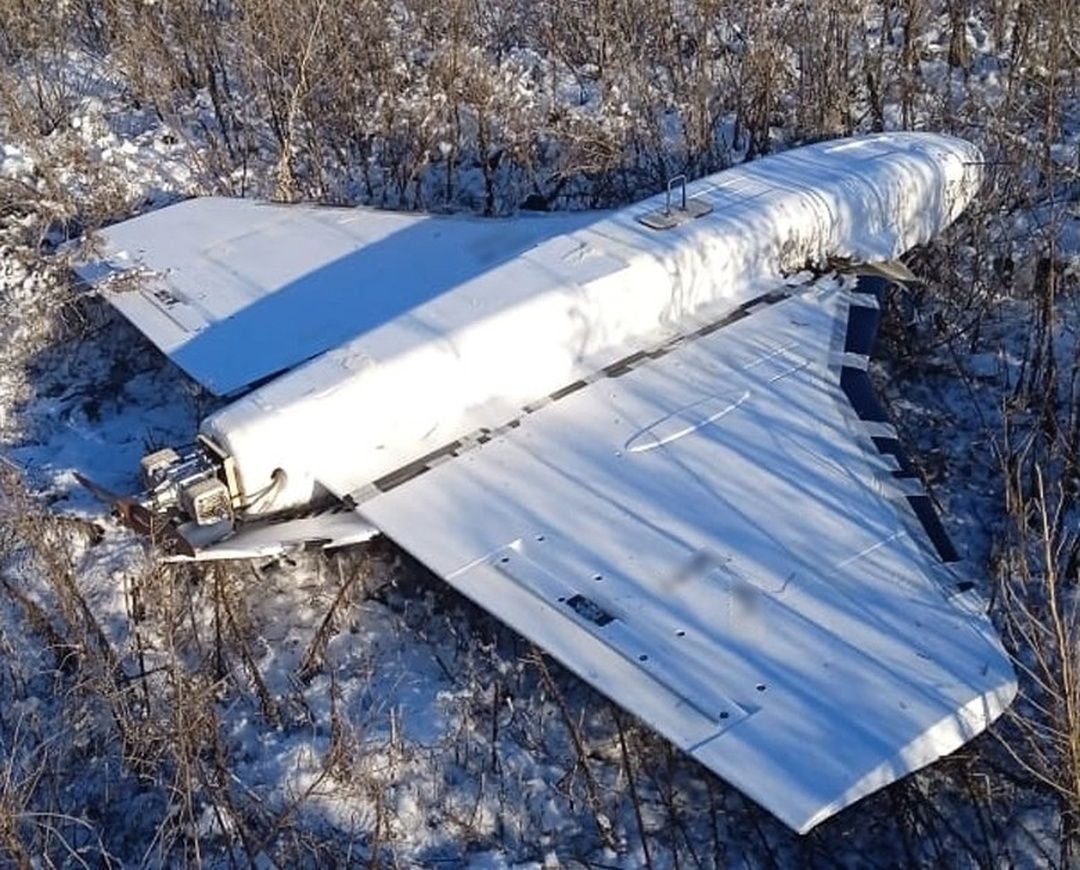
- The discovery originated from a downed Gerbera drone equipped with a vertical stabilizer, prompting a joint investigation by The Insider and independent firm Nordsint.
- Previous investigations revealed an order for 30 mesh modems shipped from Shenzhen to Vladivostok, confirming Xingkai as both the supplier and sole manufacturer for this specific component.
- The CIA suggests that these enhanced networking capabilities allow Gerbera drones to potentially strike targets in Europe, granting Russia a significant tactical advantage in the conflict.
- It remains unclear whether Xingkai Technology was fully aware that its mesh hardware would be deployed in the Ukrainian theater, raising questions about supply chain transparency.
Russian military drones operating over Ukraine are increasingly relying on Chinese-made mesh networking technology to maintain communication links over extended ranges. A recent investigation revealed that Gerbera drones, a key asset in Russia's aerial campaign, are equipped with mesh modems manufactured by Shenzhen Xingkai Technology. This hardware allows the drones to communicate via a decentralized network, reducing dependence on centralized satellite or ground-based infrastructure.
The shift toward mesh networking appears to have been driven by logistical challenges, specifically the blocking of Russian access to Starlink in February 2026. While traces of Xingkai’s modems were identified in drones as early as 2024, their widespread integration accelerated following the Starlink disruption. The discovery was confirmed after a Gerbera drone was downed during a recent attack, revealing the specific hardware configuration used by Russian forces.
The investigation, conducted by The Insider in collaboration with independent researchers at Nordsint, traced the supply chain back to Shenzhen. Nordsint, which operates under a persona as a Russian military supply chain business, established that Xingkai Technology is the sole manufacturer and supplier for these specific modems. Earlier findings had already documented an order for 30 units shipped to Vladivostok, solidifying the link between the Chinese manufacturer and Russian military procurement.
The strategic implications of this dependency are significant. According to the CIA, the superior networking technology embedded in these drones provides Russia with a tactical advantage, potentially enabling Gerbera drones to strike targets in Europe. However, the extent of Xingkai’s awareness regarding the end-use of its components remains a point of discussion, highlighting the complex nature of global tech supply chains in modern warfare.
Sources
The WireByte editorial team synthesises technology news from multiple primary sources, verifies the facts, and links every source. Articles are produced with AI assistance and reviewed under our editorial policy.