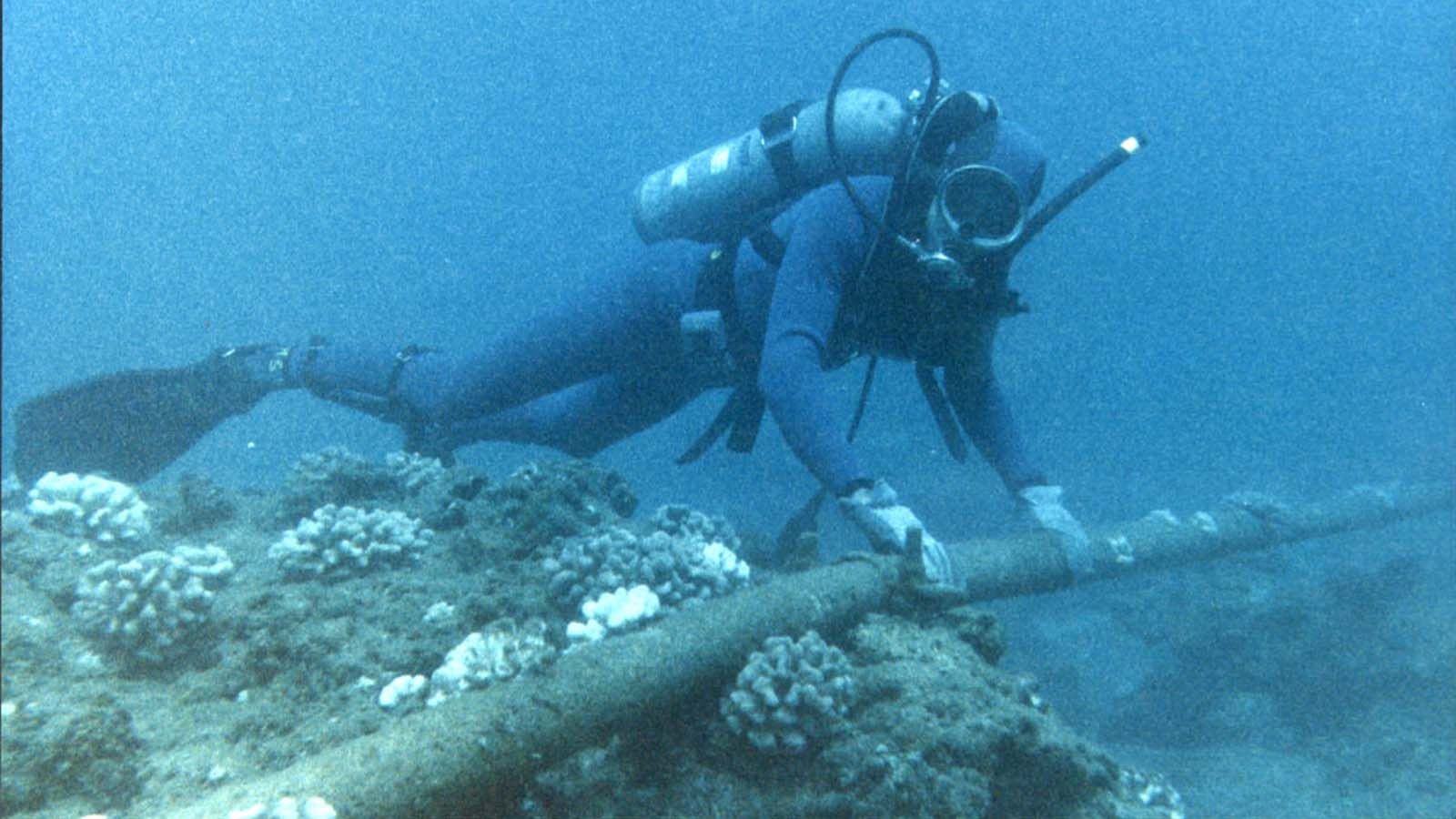
Russia Spies on Transatlantic Cables via Civilian Vessels
Russian civilian vessels are conducting espionage on undersea cables linking the UK and US, with over 500 incidents recorded. This activity aligns with a 2022 Russian maritime doctrine. The UK is cracking down on sabotage, as these cables support £65 billion in annual economic activity. Disruption could severely impact global banking and communications.
Key points
- Russian civilian vessels, acting as commercial proxies, have been spotted loitering over undersea cables connecting the UK and US.
- Analysis reveals over 500 recorded incidents of this surveillance activity, which maps critical infrastructure.
- The operations appear to follow a 2022 maritime doctrine approved by President Vladimir Putin to mobilize fishing and civilian fleets.
- The cables are vital to the UK economy, supporting approximately £65 billion in annual activity.
- The British government has announced stricter security measures, including increased sentencing and fines for cable sabotage.
- Successful disruption of these cables could cause widespread damage to global banking, transport, and mobile data networks.
Russian Naval Strategy in Civilian Disguise
A significant security threat has emerged in international waters as Russian civilian vessels are increasingly used to monitor and map undersea telecommunications cables. These cables form the backbone of global internet and financial communications, particularly the critical links between the United States and Europe. An investigation by The Telegraph has uncovered evidence that Russian fishing trawlers and other commercial ships are conducting espionage operations in waters surrounding Britain. This activity is not random but appears to be part of a coordinated strategy to gather intelligence on vital infrastructure.
Scale of the Surveillance Operation
The scope of this surveillance is substantial. Analysis of maritime data has identified over 500 incidents where civilian vessels engaged in suspicious behavior around undersea cable routes. These vessels often loiter in areas directly above the cables, a behavior that suggests they are mapping the exact locations of the infrastructure. While maritime law severely limits the ability of foreign powers to engage with civilian vessels in international waters, the sheer volume of these incidents indicates a persistent and systematic effort. The vessels are described as "commercial proxies," meaning they use their civilian status to conduct activities that would otherwise be considered hostile acts by military assets.
Alignment with Official Doctrine
This pattern of behavior is consistent with a maritime doctrine approved by Russian President Vladimir Putin in 2022. The doctrine outlines a strategy to mobilize fishing and other civilian vessels for national security purposes. By using commercial ships, Russia can maintain plausible deniability while gathering crucial intelligence. The doctrine effectively blurs the line between civilian and military operations, allowing the Russian state to project power and gather data without triggering immediate military responses. This approach leverages the global nature of commercial shipping to create a pervasive surveillance network.
Economic Stakes for the UK
The importance of these undersea cables to the United Kingdom cannot be overstated. The UK relies on these connections for approximately £65 billion in annual economic activity. This figure encompasses a wide range of sectors, including finance, technology, and trade. Any disruption to these cables would have immediate and severe consequences for the British economy. The cables carry the vast majority of international data traffic, making them essential for modern commerce and communication. The potential for sabotage or disruption poses a direct threat to national economic stability.
Government Response and Legal Measures
In response to these findings, the British government has announced a crackdown on activities that threaten undersea infrastructure. The new measures include increased sentencing and fines for anyone proven to have sabotaged undersea cables. The government aims to deter both state and non-state actors from targeting this critical infrastructure. The announcement signals a shift in how the UK approaches the security of its digital backbone, treating physical attacks on cables with the same severity as other forms of terrorism or espionage. Legal frameworks are being strengthened to ensure that perpetrators can be prosecuted effectively.
Potential Global Consequences
The implications of this surveillance extend far beyond the UK. If the information gathered by Russian vessels is used aggressively, undersea cables could be targeted in the event of a conflict. Disruption of these cables could halt banking transactions, disrupt transport logistics, and sever trans-continental mobile phone data. The global economy is deeply interconnected through these digital pathways, and a coordinated attack on multiple cables could cause cascading failures across continents. This scenario highlights the vulnerability of global infrastructure to hybrid warfare tactics.
Key takeaways
- Russian civilian vessels are mapping undersea cables linking the UK and US in over 500 recorded incidents.
- The operations align with a 2022 Russian doctrine mobilizing civilian fleets for national security.
- The UK economy relies on these cables for £65 billion in annual activity.
- The British government is introducing stricter penalties for cable sabotage.
- Disruption of these cables could severely impact global banking and communications.
- The use of commercial proxies allows Russia to conduct espionage with plausible deniability.
Sources
The WireByte editorial team synthesises technology news from multiple primary sources, verifies the facts, and links every source. Articles are produced with AI assistance and reviewed under our editorial policy.