Rooting Googlebook Loses Android App Casting, Magisk Creator Confirms
John Wu, Magisk creator and Google employee, confirmed that rooting a Googlebook disables Android app casting from phones. The feature fails because rooted devices cannot pass hardware key attestation, a security check required by the source device. This limitation impacts a core cross-device functionality, adding to early issues reported with the new laptops.
Key points
- John Wu, the creator of Magisk and a Google employee, confirmed that rooting a Googlebook disables the ability to cast Android apps from smartphones.
- The casting failure occurs because rooted devices cannot pass hardware key attestation, a security verification required by the phone to authorize the connection.
- This restriction affects a primary selling point of the Googlebook, which includes deep integration with Android devices and cross-device features.
- The news follows a disappointing initial reception for the laptops, which have already faced reports of broken app casting and other launch issues.
- Disabling casting on rooted devices is a standard security measure to prevent unauthorized access, similar to restrictions on banking and payment apps.
Security Measures Limit Rooted Googlebook Functionality
A significant limitation has been identified for users who choose to modify their new Googlebook devices. John Wu, the well-known creator of the Magisk rooting tool and an employee at Google, has confirmed that rooting a Googlebook results in the loss of Android app casting capabilities. This revelation highlights the strict security protocols embedded within Google's latest hardware, which prioritize device integrity over user modification.
The core issue lies in the mechanism of hardware key attestation. When a user attempts to cast an application from an Android smartphone to a Googlebook, the phone verifies the security status of the receiving device. If the Googlebook has been rooted, it fails to pass this hardware key attestation check. Consequently, the smartphone rejects the casting request to maintain security standards. This behavior mirrors restrictions found in other Android applications, such as banking apps and Google Wallet, which also cease to function on rooted devices to prevent potential security vulnerabilities.
Impact on Cross-Device Ecosystem
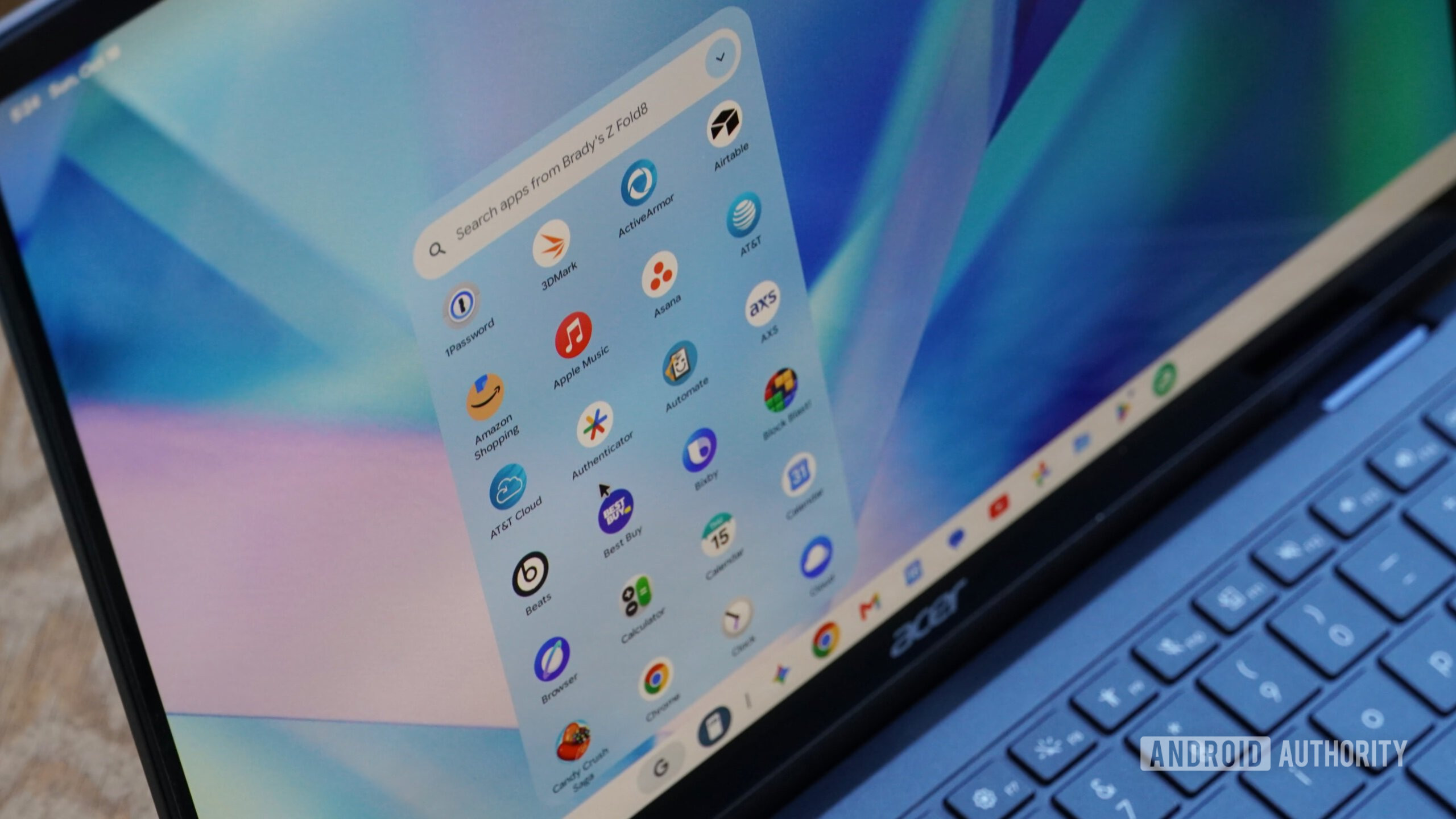
For many consumers, the ability to seamlessly cast apps from a phone to a larger screen is a primary reason for purchasing a Googlebook. These devices are marketed with deep integration into the Android ecosystem, offering features that bridge the gap between mobile and laptop computing. The loss of this functionality significantly diminishes the value proposition for users who intend to customize their operating system. While rooting is a common practice among tech enthusiasts, it effectively removes one of the most convenient features of the device.
The confirmation comes at a time when the Googlebook has faced a challenging launch. Initial reviews and user reports have been mixed, with many citing a disappointing reception. Beyond the rooting limitation, early adopters have reported other technical issues, including broken app casting on non-rooted devices and other software glitches. These problems suggest that the hardware and software integration may still be undergoing refinement, despite the devices having been on the market for approximately a month.
Broader Implications for Device Modification
The restriction on app casting underscores Google's stance on device security. By tying critical cross-device features to hardware attestation, Google ensures that only devices with an unmodified boot state can participate in its ecosystem. This approach protects user data and prevents malicious applications from intercepting or manipulating casted content. However, it also places a heavy burden on users who wish to explore the full potential of their hardware through customization.
Tech analysts note that such limitations are not unique to Google but are becoming more common across the industry. As devices become more integrated with cloud services and personal data, the security perimeter expands to include hardware-level verification. For the average consumer, this means that the freedom to modify their device comes with the trade-off of losing access to premium features. The situation serves as a reminder that modern computing devices are increasingly locked down to ensure security and stability.
What Happens Next
As the Googlebook continues to gain traction, it remains to be seen whether Google will introduce workarounds for rooted devices or if the current restrictions will remain in place. For now, users who value the ability to cast apps from their phones must choose between rooting their device and retaining this functionality. The tech community is closely watching for updates that might address the broader launch issues, which could affect the long-term success of the product line.
Key takeaways
- Rooting a Googlebook disables Android app casting due to failed hardware key attestation.
- John Wu, Magisk creator and Google employee, confirmed the security-based restriction.
- The feature loss impacts a key selling point of deep cross-device integration.
- Early Googlebook reception has been mixed, with reports of broken casting and other bugs.
- Similar restrictions apply to banking and payment apps on rooted Android devices.
Sources
The WireByte editorial team synthesises technology news from multiple primary sources, verifies the facts, and links every source. Articles are produced with AI assistance and reviewed under our editorial policy.