Roadside Picnic's Closing Line Named Best 1970s Sci-Fi Quote
A recent analysis by Polygon identifies the final sentence of Arkady and Boris Strugatsky’s 1972 novel Roadside Picnic as the greatest book quote of the 1970s. The piece highlights how the protagonist Redrick Schuhart’s simple wish reframes the narrative’s themes of human fragility and alien technology.
Key points
- Polygon contributor Ryan Epps identifies the closing line of Arkady and Boris Strugatsky’s 1972 novel Roadside Picnic as the best book quote of the 1970s.
- The novel’s protagonist, Redrick Schuhart, delivers the final words, which express a simple wish that contrasts with the story's complex sci-fi elements.
- The analysis argues the ending reframes the narrative by emphasizing human fragility and the terrifying logic of cold technology.
- The piece compares the quote’s impact to other enduring sci-fi endings like those in 1984 and The Three-Body Problem.
- Published on November 20, 2026, the article reflects on the enduring legacy of the Strugatsky brothers' work five decades later.
A Literary Landmark Revisited
Fifty-three years after its initial publication, Arkady and Boris Strugatsky’s science fiction novel Roadside Picnic continues to resonate with readers and critics alike. A recent analysis published by Polygon highlights the novel’s closing sentence as the most significant book quote of the 1970s, underscoring its lasting impact on the genre. The piece, written by contributing writer Ryan Epps, explores why this specific line has endured while many other literary moments have faded into obscurity.
The Power of Simplicity
The article contrasts the closing moments of Roadside Picnic with other famous sci-fi endings, such as the devastating retrospective in George Orwell’s 1984 or the defiant reminders in The Three-Body Problem. While many classic endings offer complex philosophical resolutions or stark warnings, the Strugatsky brothers’ conclusion is noted for its remarkable simplicity. The protagonist, Redrick Schuhart, delivers a final wish that is both humble and profoundly humanistic. This simplicity serves to reframe the entire narrative, shifting the focus from the grand scale of alien intervention to the intimate reality of human experience.
Reframing the Narrative
According to the analysis, great science fiction endings often leave readers suspended in the aftermath of the story’s events, forcing them to confront the terrifying logic of cold technology and the fragility of human nature. Roadside Picnic is no exception. The novel explores the aftermath of an alien visitation, where the remnants of extraterrestrial technology create dangerous and unpredictable zones. The final line does not offer comfortable closure but instead invites readers to stew in the implications of the story’s themes. This approach distinguishes it from predecessors and successors that may prioritize action or explicit moral lessons.
Contextualizing the 1970s
The 1970s were a transformative decade for science fiction literature, marked by a shift towards more complex social and psychological themes. Roadside Picnic, published in 1972, emerged during this period of change. The Strugatsky brothers, writing from the Soviet Union, infused their work with subtle political commentary and deep philosophical inquiry. The recognition of the novel’s closing line as the best quote of the decade highlights its ability to capture the zeitgeist of the era, blending speculative fiction with a profound commentary on the human condition.
Enduring Legacy
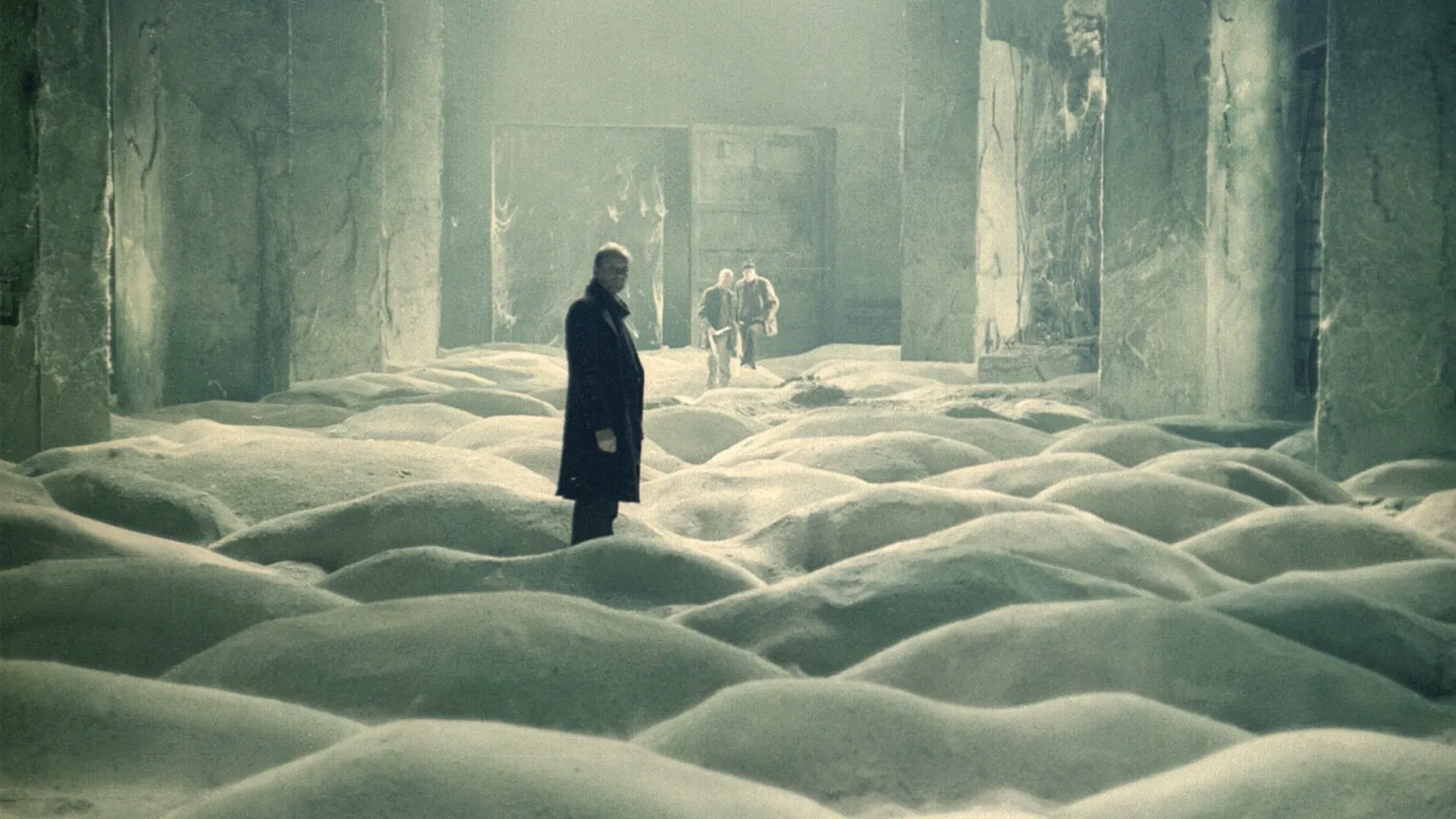
The article notes that while many classics benefit from years of literary study, Roadside Picnic’s closing line stands out for its elegance and emotional resonance. It speaks volumes on the nature of society, technology, and the world at large, without relying on dense exposition. The enduring popularity of the novel, evidenced by its adaptation into the film Stalker and the video game series S.T.A.L.K.E.R., attests to the strength of its narrative and thematic core. The final line serves as a powerful reminder of the human element within the vast expanse of space and the unknown.
Critical Reception and Analysis
Ryan Epps, whose writing spans entertainment and tech verticals, brings a unique perspective to the analysis. His bylines cover a wide range of topics, from video games to television, allowing him to contextualize Roadside Picnic within broader cultural narratives. The article’s publication on November 20, 2026, marks a continued interest in the novel’s legacy. Critics and fans alike continue to debate the meaning of the final line, with some viewing it as a plea for normalcy in a world disrupted by alien forces.
What Happens Next
As the novel approaches its 54th anniversary, interest in Roadside Picnic shows no signs of waning. New generations of readers continue to discover the Strugatsky brothers’ work, drawn in by its intricate plot and philosophical depth. The recognition of its closing line as a literary landmark reinforces its status as a cornerstone of science fiction. Future analyses and adaptations will likely continue to explore the themes introduced in the novel, ensuring its place in the canon of great sci-fi literature.
Key takeaways
- Polygon identifies the closing line of Roadside Picnic as the best book quote of the 1970s.
- The novel was published in 1972 by Arkady and Boris Strugatsky.
- The final words of protagonist Redrick Schuhart are praised for their simplicity and humanism.
- The analysis compares the quote’s impact to endings in 1984 and The Three-Body Problem.
- The article was published by Ryan Epps on November 20, 2026.
- The novel’s legacy is sustained by its adaptations and continued critical study.
Sources
The WireByte editorial team synthesises technology news from multiple primary sources, verifies the facts, and links every source. Articles are produced with AI assistance and reviewed under our editorial policy.