Rivian Spinoff Also Begins Shipping Modular E-Bikes Amid Production Hurdles
Rivian’s micromobility spinoff, Also, has started shipping its Launch Edition modular e-bikes after significant delays caused by supply chain issues and regulatory complexities. Led by former Specialized CTO Chris Yu, the company faces initial software glitches and customer frustration but aims to scale production of its unique swappable-frame bicycles and electric delivery vehicles globally.
Key points
- Also, a micromobility startup spun off from electric vehicle maker Rivian and led by former Specialized CTO Chris Yu, has begun shipping its initial Launch Edition modular e-bikes to customers.
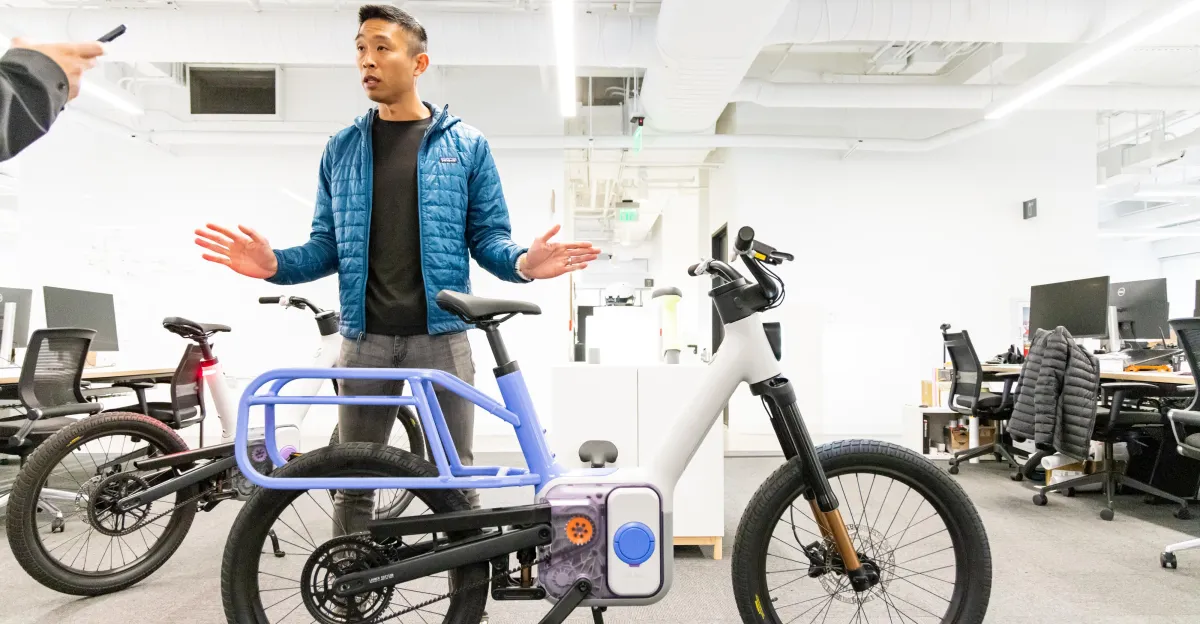
- The company’s primary product, the TM-B e-bike, features a swappable top frame, a built-in screen, and a series hybrid pedal-by-wire system, with a four-wheeled delivery variant called the TM-Q also in development.
- Shipping was delayed due to supply chain headwinds, confusing US e-bike regulations, and communication errors, leading to significant customer frustration on platforms like Reddit.
- Early recipients of the bikes have reported minor software problems, prompting the company to address quality control issues as it prepares to release standard and performance versions.
- Rivian remains a minority shareholder in Also, which is betting on autonomous delivery capabilities and aiming to reinvent urban micromobility through proprietary 'Dream Ride' software.
Also’s Long-Awaited Arrival in the Micromobility Market
Rivian’s micromobility spinoff, Also, has officially begun shipping its initial batch of modular electric bicycles to customers, marking a significant milestone for the startup after a prolonged period of development and delay. The company, which operates as an independent business with Rivian holding a minority stake, has faced numerous challenges in bringing its innovative products to market. Chris Yu, the founder and CEO, is a Stanford aeronautics PhD and former chief technology officer at Specialized Bicycle Components. His leadership has been central to Also’s vision of creating a new category of electric bikes that prioritize modularity and software integration.
The primary product, the TM-B, is a distinctive e-bike designed with a swappable top frame, allowing for customization and easier maintenance. It features a USB-C chargeable battery, a built-in display screen, and a series hybrid pedal-by-wire system that integrates proprietary "Dream Ride" software. This software is intended to enhance the riding experience by managing power delivery and potentially enabling future autonomous features. Also is also developing the TM-Q, an electric four-wheeler targeted at commercial delivery services, further expanding its footprint in the urban logistics sector.
Navigating Supply Chain and Regulatory Hurdles
The path to shipping has not been smooth. Also encountered significant supply chain headwinds, which delayed production and frustrated early adopters. Compounding these issues were confusing regulations surrounding e-bikes in the United States, which vary by state and locality, creating a complex landscape for a company aiming for national distribution. Yu has acknowledged these challenges, citing communication stumbles and logistical errors that contributed to the delays. These factors have led to a period of intense scrutiny, with customers taking to social media platforms like Reddit to express their dissatisfaction with the wait times and lack of clear updates.
Despite these obstacles, Also has managed to overcome the initial bottlenecks and is now fulfilling orders for the Launch Edition bikes. The company is preparing to roll out standard and performance versions of the TM-B in the near future, indicating a phased approach to scaling production. This strategy allows Also to refine its manufacturing processes and address any emerging issues before committing to larger volumes. The focus on modular design is intended to simplify repairs and upgrades, potentially reducing long-term ownership costs and extending the lifespan of the vehicles.
Early Feedback and Future Outlook
Early reviews from customers who have received their bikes have been mixed. While the innovative design has garnered attention, some users have reported minor software glitches. These issues are not uncommon for new tech products, particularly those involving complex software integrations. Also is likely working to address these problems through over-the-air updates and customer support. The company’s ability to resolve these initial software issues will be crucial in building trust with its early adopters and attracting a broader customer base.
The broader significance of Also’s entry into the market lies in its potential to disrupt the traditional e-bike industry. By combining hardware modularity with advanced software, Also is positioning itself at the intersection of transportation and technology. The company’s bet on autonomous delivery with the TM-Q also reflects the growing demand for last-mile logistics solutions in urban areas. As Rivian continues to expand its ecosystem, Also’s success could provide valuable insights into the viability of specialized electric mobility solutions.
Key takeaways
- Also, a Rivian spinoff led by Chris Yu, has started shipping its modular TM-B e-bikes after significant delays.
- The TM-B features a swappable frame, built-in screen, and hybrid pedal-by-wire system powered by Dream Ride software.
- Supply chain issues and regulatory complexities in the US contributed to the prolonged delay in product delivery.
- Early customers have reported minor software problems, which the company is working to resolve through updates.
- Also is preparing to launch standard and performance versions of the bike, alongside a commercial four-wheeler called the TM-Q.
Sources
The WireByte editorial team synthesises technology news from multiple primary sources, verifies the facts, and links every source. Articles are produced with AI assistance and reviewed under our editorial policy.