Rising SD Card Prices Fuel Surge in Counterfeit Memory Cards
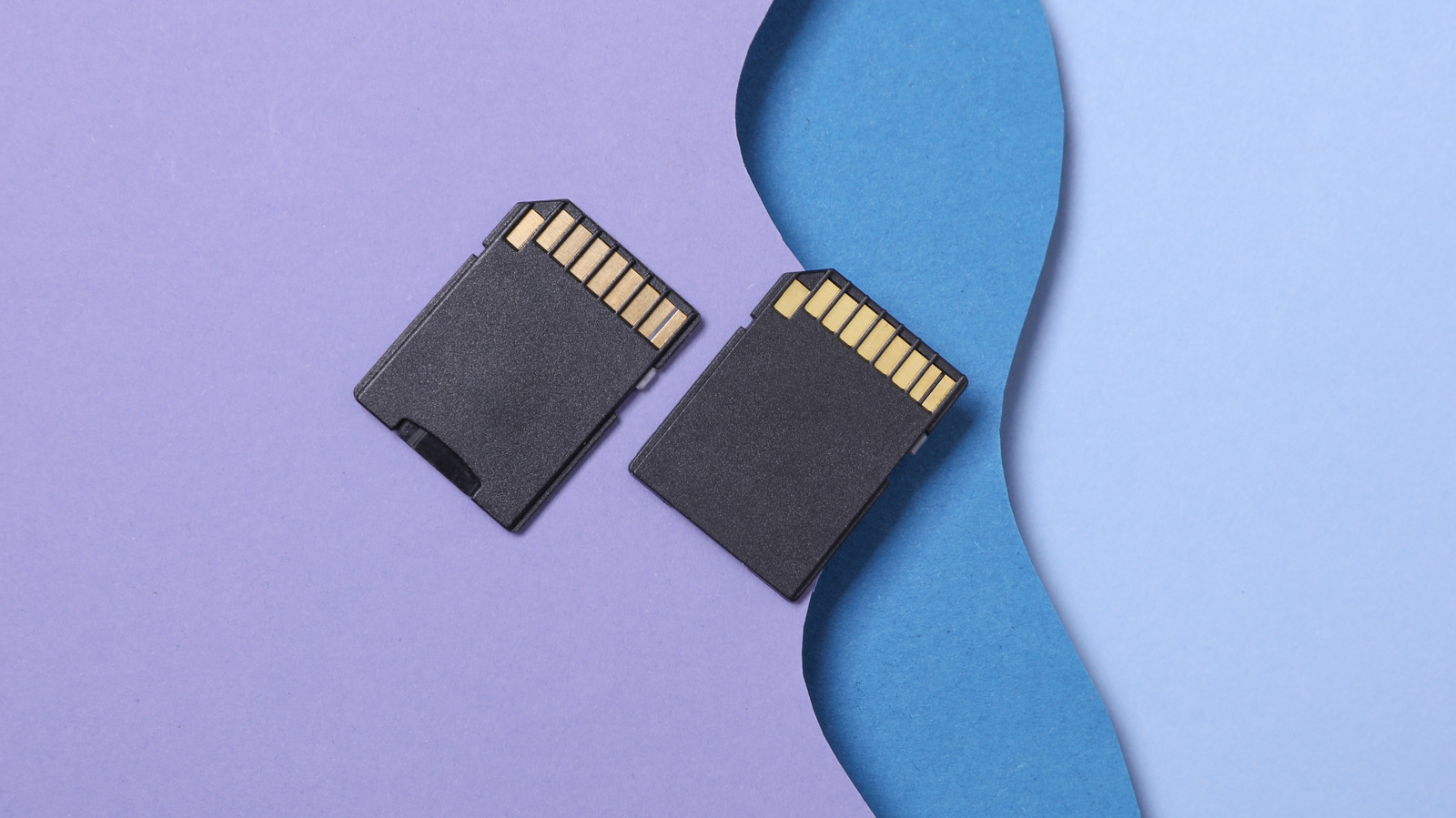
Global memory shortages have doubled SD card prices, prompting a rise in counterfeit products sold online. These fakes often display false capacity, leading to data corruption and loss for consumers. Experts warn that suspiciously low prices are a primary indicator of fraud, urging buyers to verify authenticity before purchase to protect their files.
Key points
- Memory shortages have caused SD card prices to double compared to 2025 levels.
- Counterfeit cards often display inflated storage capacities, causing data corruption when filled.
- Suspiciously low prices serve as the primary warning sign for fake memory cards.
- Consumers risk losing valuable files by purchasing unverified devices from online marketplaces.
- Experts recommend verification steps to ensure storage device authenticity before use.
The Price of Memory
Global supply chain disruptions have triggered a significant surge in the cost of digital storage media. According to a PCWorld analysis from early 2026, the price of Secure Digital (SD) cards has doubled or exceeded previous rates when compared to 2025 figures. This inflation is part of a broader trend affecting hard disk drives, solid-state drives, and random-access memory, driven by ongoing chip and memory shortages. As the cost of legitimate storage solutions climbs, consumers are increasingly turning to online marketplaces in search of affordable alternatives, inadvertently exposing themselves to a well-documented threat: counterfeit hardware.
The Counterfeit Problem
Fake SD cards are not a new phenomenon, with complaints dating back years on forums such as Reddit. However, the current economic climate has exacerbated the issue. Scammers exploit the price sensitivity of buyers by offering storage devices at prices that seem too good to be true. These counterfeit cards are often manufactured to display a false capacity on the device’s firmware. For example, a card labeled as 128GB may physically contain only 8GB of actual storage. This discrepancy remains invisible during initial inspection, as the device appears to function normally within its true, limited capacity.
Data Corruption and Loss
The primary danger of counterfeit SD cards lies in data integrity. When a user attempts to transfer files onto the card, the device will appear to accept the data until its actual physical limit is reached. Once this limit is exceeded, the firmware begins to overwrite existing files or corrupt new ones. This process is often silent, leaving the user unaware that their photos, documents, or other valuable data have been destroyed or rendered unreadable. The loss of data is frequently irreversible, making the financial impact of a cheap fake card far greater than its purchase price.
Identifying Warning Signs
Experts advise that the most immediate red flag is price. If an SD card is priced significantly lower than major retailers or official distributors, it is likely counterfeit. Additionally, buyers should scrutinize the packaging for spelling errors, poor print quality, or missing security seals. While these visual cues are helpful, they are not foolproof, as counterfeiters have become increasingly sophisticated in replicating packaging. The most reliable method of verification involves using specialized software tools that test the actual write and read speeds and capacity of the device, rather than relying on the manufacturer’s stated specifications.
Consumer Protection Strategies
To mitigate the risk of purchasing fake storage media, consumers are urged to buy from authorized retailers rather than third-party sellers on large online marketplaces. If a purchase from an unofficial source is unavoidable, users should perform a full format and stress test of the card before storing any important data. Tools such as H2testw or F3 can write data to the entire card and verify its integrity, revealing any discrepancies between the claimed and actual capacity. This proactive step ensures that the device is genuine and that the user’s files remain safe from corruption.
The Broader Impact
The rise in counterfeit SD cards highlights the vulnerabilities in global electronics supply chains. As demand for storage continues to grow, the incentive for fraud increases. This issue affects not only individual consumers but also businesses that rely on reliable data storage for operations. The correlation between hardware shortages and the proliferation of fake goods underscores the need for stricter regulation and consumer education. Until supply chains stabilize and prices normalize, the risk of encountering counterfeit storage devices will remain high.
What Happens Next
Industry analysts predict that the price of memory cards will remain volatile as long as the underlying chip shortages persist. Manufacturers are working to increase production capacity, but a return to pre-shortage price levels is not expected in the immediate future. In the meantime, consumer vigilance remains the best defense against fraud. Retailers are also being encouraged to implement stricter verification processes for third-party sellers to reduce the circulation of counterfeit goods. As the market adapts, the focus will likely shift toward more secure supply chain practices and advanced anti-counterfeiting technologies.
Key takeaways
- SD card prices have doubled since 2025 due to global memory shortages.
- Counterfeit cards display false capacity, leading to silent data corruption.
- Suspiciously low prices are the primary indicator of fake storage devices.
- Verification software is essential for confirming the authenticity of purchased cards.
- Consumers should prioritize authorized retailers to minimize fraud risk.
Sources
The WireByte editorial team synthesises technology news from multiple primary sources, verifies the facts, and links every source. Articles are produced with AI assistance and reviewed under our editorial policy.