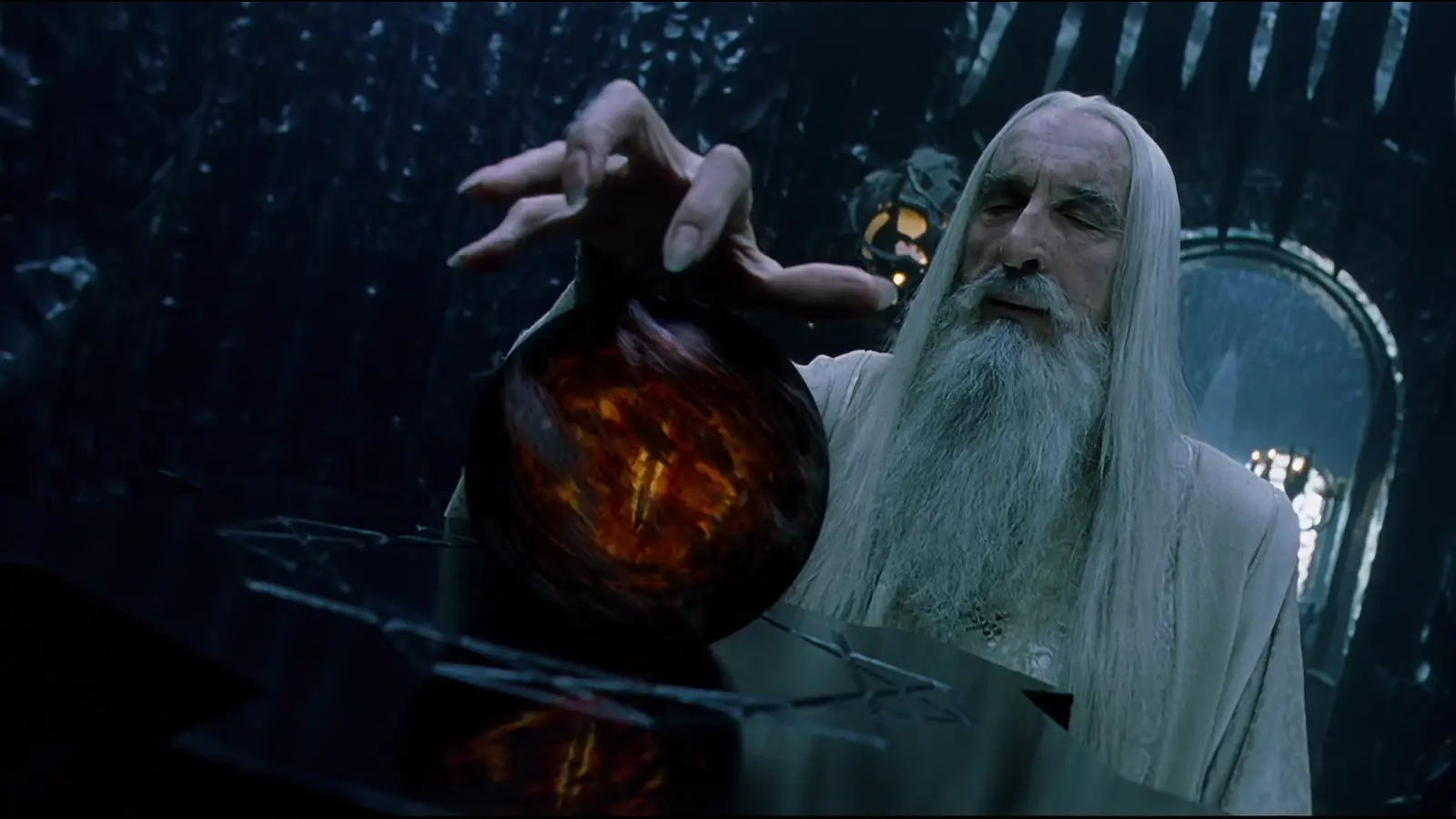
Polygon Highlights Modern Fantasy Series Rivaling Lord of the Rings
Polygon has published a list of modern fantasy books that rival J.R.R. Tolkien's The Lord of the Rings. The selection focuses on series starting in 2000 or later, highlighting contemporary authors who expand on Tolkien's legacy through intricate world-building and ambitious storytelling. The list aims to showcase how the genre has evolved beyond its foundational myths.
Key points
- Polygon published a curated list of modern fantasy series that are considered to rival the impact of J.R.R. Tolkien's The Lord of the Rings.
- The selection criteria primarily include series that began publication in the year 2000 or later, with one exception for a saga unfolding in the subsequent decade.
- The article emphasizes how contemporary authors have expanded on Tolkien's foundations through intricate political sagas and elaborate magical systems.
- The list highlights distinct elements such as extraordinary world-building and large casts of characters as key factors in these modern epics.
- The First Law Trilogy by Joe Abercrombie is cited as a primary example, beginning with a familiar fantasy setup involving war and ancient enemies.
Reimagining the Epic Fantasy Genre
J.R.R. Tolkien's The Lord of the Rings continues to stand as one of the most remarkable achievements in the history of fantasy literature. Through the sprawling world of Middle-earth, the series established a benchmark for epic storytelling that has influenced generations of writers. The narrative, which follows the journey of Frodo Baggins and the Fellowship, is celebrated for its ancient civilizations, intricate mythology, and themes of friendship and sacrifice. More than seven decades after its initial publication, the story remains a touchstone for the genre, creating a fictional landscape that feels as tangible and real as a major modern city like New York. This enduring legacy has inspired countless authors to dream bigger and build their own expansive worlds.
Contemporary Authors and New Directions
While Tolkien's work set the standard, modern fantasy has taken his foundational elements in fascinating new directions. Today's authors are reimagining the genre's possibilities through various approaches, including intricate political sagas and radically reimagined mythologies. A recent feature by Polygon highlights several modern fantasy series that rival the impact of The Lord of the Rings. The selection focuses on works that began in the year 2000 or later, with one exception for a saga that largely unfolded throughout the following decade. This timeframe allows for a look at how the genre has evolved in the twenty-first century, moving beyond the direct influence of Tolkien's early works.
Criteria for Selection
The curated list emphasizes distinct elements that define these modern epics. Key factors include extraordinary world-building, ambitious storytelling, and the inclusion of casts of characters large enough to make even legendary figures like Gandalf seem modest in comparison. Each selected series brings a unique interpretation of the fantasy genre to the table. The article notes that while some works may share familiar setups with classic fantasy, they offer distinct twists and narrative structures that appeal to contemporary readers. This approach highlights the diversity and richness of modern fantasy literature, showcasing how the genre continues to innovate and captivate audiences.
The First Law Trilogy as a Case Study
One of the primary examples highlighted in the list is The First Law Trilogy by Joe Abercrombie. Published starting in 2006, the series begins with a setup that appears familiar to fans of the genre. It involves a kingdom on the brink of war, an ancient enemy stirring in the North, and a mysterious wizard assembling an unlikely band of heroes. This group includes characters such as Logen Ninefingers, a figure known for his complex background and moral ambiguity. The series exemplifies how modern fantasy can use traditional tropes to explore deeper themes and more nuanced character developments. By subverting expectations and adding layers of complexity, Abercrombie's work demonstrates the evolution of the genre beyond the straightforward hero's journey.
Global Impact of Fantasy Literature
The continued relevance of fantasy literature on a global scale is evident in the enduring popularity of both classic and contemporary works. Readers around the world are drawn to the escapism and imaginative power of these stories, which offer a respite from reality while also reflecting human experiences and struggles. The comparison to The Lord of the Rings serves as a testament to the high standards set by Tolkien, but also to the ability of modern authors to meet and exceed those standards in their own ways. As the genre continues to grow and diversify, it remains a vital part of global literary culture, connecting readers across different backgrounds and regions through shared love of adventure and imagination.
Key takeaways
- Polygon published a list of modern fantasy series that rival the impact of J.R.R. Tolkien's The Lord of the Rings.
- The selection primarily includes series that began in 2000 or later, highlighting twenty-first-century innovations.
- The article emphasizes world-building, ambitious storytelling, and large casts as key features of these epics.
- The First Law Trilogy by Joe Abercrombie is cited as a primary example of modern fantasy evolution.
- Contemporary authors are reimagining the genre through political sagas and complex mythologies.
Sources
The WireByte editorial team synthesises technology news from multiple primary sources, verifies the facts, and links every source. Articles are produced with AI assistance and reviewed under our editorial policy.