Peanuts' 1979 Death Reflection Resonates 47 Years Later
Charles Schulz's 1979 Peanuts strip remains a cultural touchstone for its nuanced portrayal of mortality. Nearly five decades later, the comic's honest depiction of childhood grief continues to resonate, marking a significant departure from the sanitized childhood narratives typical of early 20th-century comics. This enduring legacy highlights Schulz's role in modernizing comic strip storytelling.
Key points
- Charles Schulz, the creator of Peanuts, published a pivotal strip on July 16, 1979, addressing themes of death and life.
- The comic strip is recognized as a daring evolution from the prosaic, gentle humor of early 20th-century strips like Nancy.
- Schulz's work introduced realistic frustration and cruelty among child protagonists, paving the way for edgier 1980s and 1990s comics.
- The 1979 strip is cited as a key example of Schulz's nuanced approach to heavy topics without resorting to melodrama.
- Peanuts is now viewed as a necessary stepping stone in the cultural evolution of mainstream comic strips toward more mature themes.
A Legacy of Realistic Childhood
Charles Schulz's Peanuts has long been regarded as a cultural shorthand for safe, family-friendly entertainment. However, this perception often obscures the strip's radical origins. For its first decade, Peanuts was a genuinely daring comic that challenged the conventions of the medium. Schulz's child protagonists were not merely innocent figures navigating gentle humor; they were frustrated, unlucky, and often pointlessly cruel to one another. This realistic approach to childhood behavior was a stark contrast to the sanitized narratives that dominated the comic page at the time.
Evolution from Prosaic Norms
To understand the impact of Peanuts, one must look at the standards of early 20th-century comics. Strips like Ernie Bushmiller's Nancy, which debuted in 1933, depicted childhood as relatively prosaic. While characters might face incidental frustrations, the comics page was primarily a space for gentle, safe humor. Even when dealing with darker themes, such as Sluggo being a homeless orphan in Nancy, the narrative avoided angst or conflict. The cultural expectation was that comics for children should remain light and uncomplicated.
Schulz's Daring Departure
Schulz broke from this tradition by allowing his characters to experience genuine emotional depth. The Peanuts gang dealt with complex feelings and social dynamics that mirrored real-life childhood experiences. This approach was not about creating "very special episodes" but rather reflecting the authentic, often messy reality of growing up. Schulz's kids faced pointless cruelty and frustration, providing a more honest portrayal of childhood than most comics risked showing. This realism resonated with readers and critics alike, establishing Peanuts as a groundbreaking work.
The 1979 Strip on Mortality
A particularly notable example of Schulz's nuanced storytelling is the strip published on July 16, 1979. This comic addressed themes of death and life with a sensitivity that has endured for decades. The strip is often cited as one of the best of Peanuts' few brushes with death. It demonstrates Schulz's ability to handle heavy topics without resorting to melodrama or oversimplification. The quote from this strip, "Death is but a door," has become iconic, reflecting the strip's mature yet accessible approach to existential questions.
Influence on Modern Comics
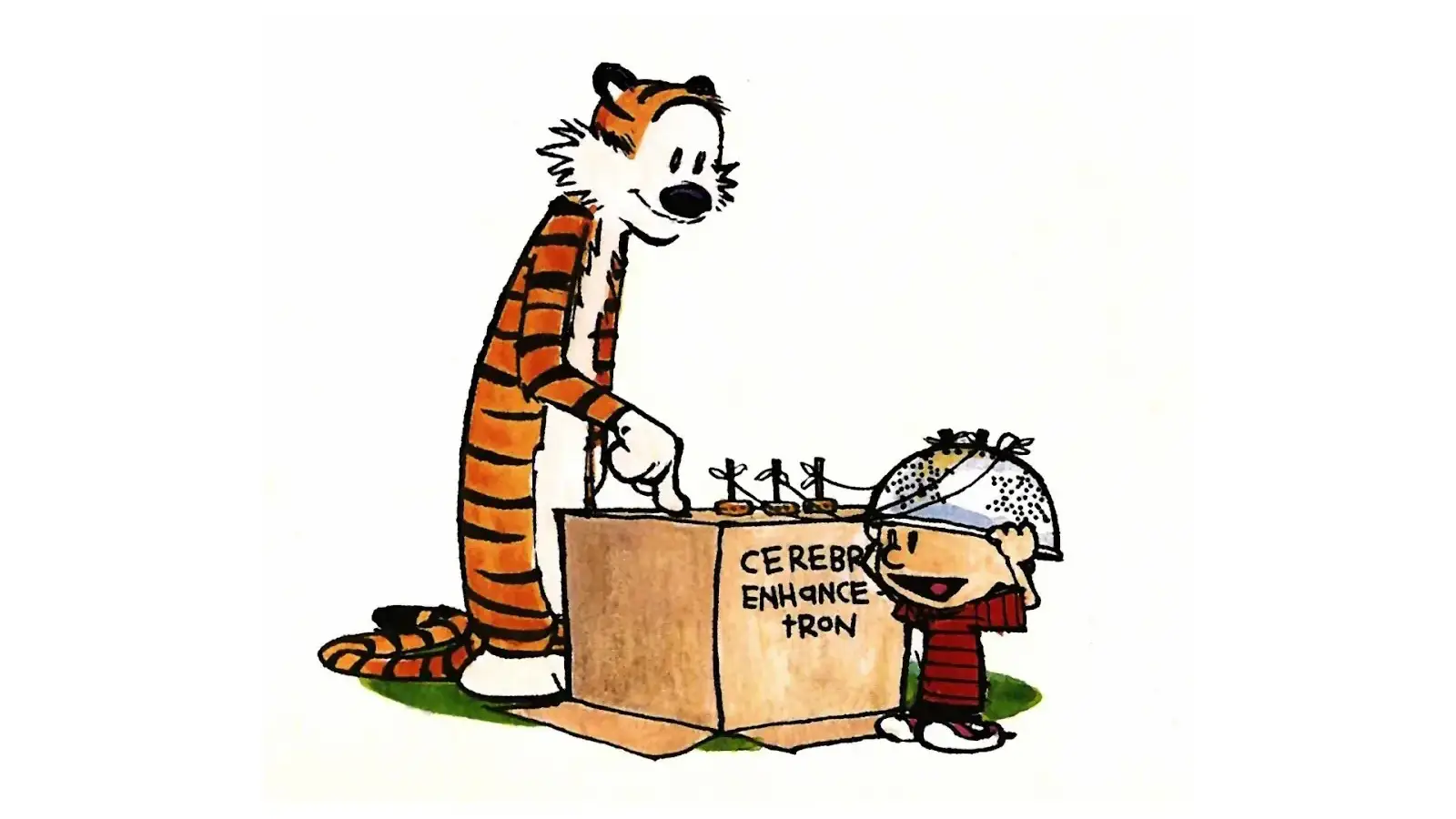
Peanuts is widely recognized as a necessary stepping stone towards the edgier mainstream comics of the 1980s and 1990s. Strips like The Boondocks and Calvin and Hobbes owe a debt to Schulz's willingness to tackle complex themes. By normalizing the portrayal of realistic childhood emotions and conflicts, Peanuts expanded the possibilities for the medium. This evolution allowed later creators to explore darker, more complex narratives while still maintaining a connection to the innocence of childhood.
Enduring Cultural Relevance
Nearly 47 years after its publication, the 1979 Peanuts strip continues to resonate with audiences. Its honest depiction of childhood grief and mortality remains relevant in contemporary discussions about media and childhood. The strip's enduring power lies in its ability to connect with readers on a human level, transcending the era in which it was created. This longevity underscores Schulz's skill in crafting stories that are both deeply personal and universally relatable.
Key takeaways
- Charles Schulz's Peanuts revolutionized comic strips by portraying realistic childhood emotions and conflicts.
- The strip published on July 16, 1979, is a landmark example of Schulz's nuanced handling of death.
- Peanuts paved the way for more mature and edgy comics in the 1980s and 1990s.
- The 1979 strip's quote, "Death is but a door," remains a powerful cultural reference.
- Schulz's work challenged the sanitized norms of early 20th-century comics, expanding the medium's potential.
Sources
The WireByte editorial team synthesises technology news from multiple primary sources, verifies the facts, and links every source. Articles are produced with AI assistance and reviewed under our editorial policy.