Patrick Stewart Dies at 86; Legacy of Captain Picard Endures
Sir Patrick Stewart has died at age 86, prompting global mourning from Star Trek fans. Stewart portrayed Captain Jean-Luc Picard in 178 episodes of The Next Generation and 30 in Picard, redefining leadership through compassion. His character’s vision of a post-Cold War future remains culturally significant, marking the end of an era for the franchise he helped elevate.
Key points
- Sir Patrick Stewart, the actor who defined Captain Jean-Luc Picard, has died at the age of 86.
- Stewart appeared in 178 episodes of Star Trek: The Next Generation and 30 episodes of Star Trek: Picard.
- His portrayal emphasized compassion and diplomacy, contrasting with the action-oriented leadership of previous captains.
- Fans and critics are mourning the loss of a figure who helped shape the cultural vision of a post-Cold War future.
- The character of Picard is credited with redefining masculinity and leadership within the science fiction genre.
A Global Icon Passes
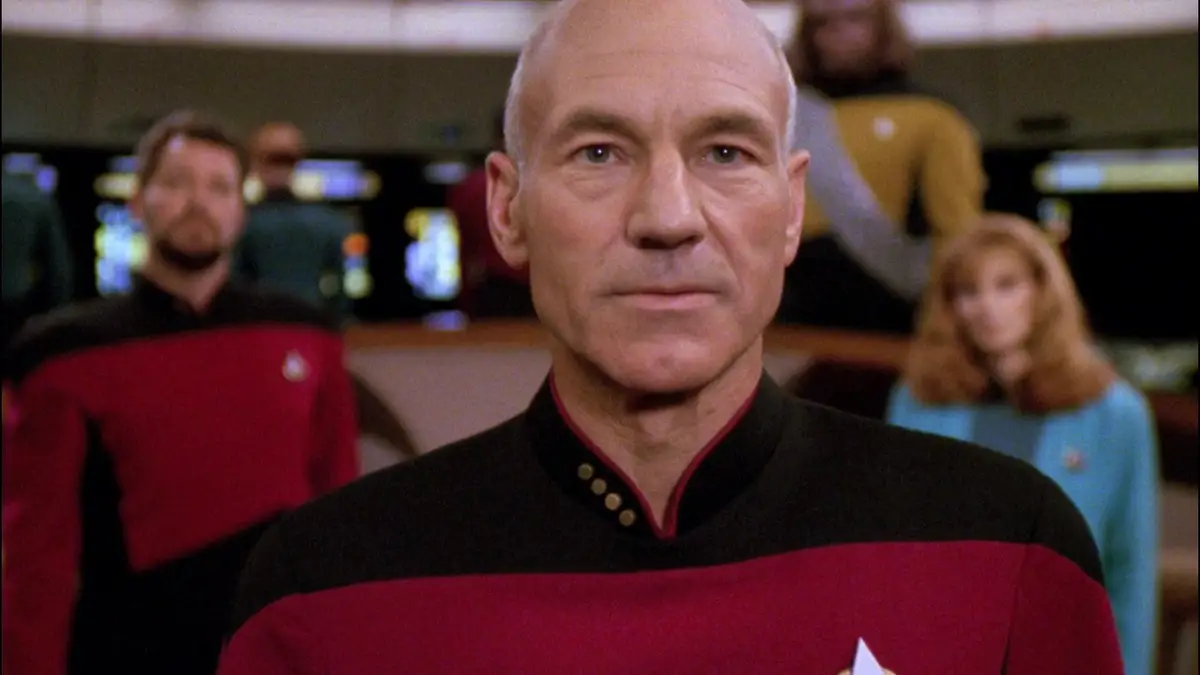
Sir Patrick Stewart has died at the age of 86, marking the end of an era for the Star Trek franchise and its global fanbase. The actor, best known for his portrayal of Captain Jean-Luc Picard, passed away on Thursday, prompting an outpouring of grief from supporters worldwide. His death closes a chapter that began in 1987, when he first stepped onto the bridge of the USS Enterprise, a role that would define his career and influence popular culture for decades.
Redefining Leadership
While William Shatner launched the franchise as the action-oriented Captain James T. Kirk in the original series, Stewart brought a different energy to the role. Picard represented a shift toward leadership based on compassion, knowledge, and communication. He served as a patient father figure to his crew, navigating complex moral dilemmas with patience rather than force. This approach resonated with audiences, offering a vision of masculinity that valued intellect and empathy over aggression.
A Post-Cold War Vision
Stewart’s tenure began when the Berlin Wall still stood, yet the show anticipated a post-Cold War world. In The Next Generation, the United Federation of Planets emerged as the sole dominant power in the galaxy, with former adversaries like the Klingon Empire becoming allies. Lieutenant Worf, a Klingon, served directly on the bridge, symbolizing a new era of cooperation. This narrative reflected an age of American hegemony and optimism about global unity, themes that remain relevant today.
Critical Acclaim and Fan Devotion
The quality of Stewart’s performance elevated the series to a cultural phenomenon. He brought gravitas to emotionally brutal scenes and gentle humor to lighter moments, creating a balance that kept viewers engaged for seven seasons. His work in 178 episodes of The Next Generation, followed by 30 episodes in the later series Star Trek: Picard, cemented his status as a beloved figure. Fans continue to cite his episodes as some of the best in the franchise’s history.
Enduring Legacy
Stewart’s impact extends beyond entertainment. He provided a model for benevolent leadership in a fictional setting that mirrored real-world aspirations for peace and diplomacy. His death has sparked reflections on the role of science fiction in shaping societal values. As fans mourn, the legacy of Captain Picard endures as a symbol of hope and intellectual curiosity. The franchise continues to inspire new generations, carrying forward the ideals Stewart helped popularize.
Key takeaways
- Sir Patrick Stewart has died at 86, ending his iconic role as Captain Jean-Luc Picard.
- He appeared in 178 episodes of The Next Generation and 30 episodes of Picard.
- His portrayal emphasized diplomacy and compassion over traditional action-hero tropes.
- The character reflected a post-Cold War vision of global unity and cooperation.
- Fans and critics mourn a figure who redefined leadership in popular culture.
Sources
The WireByte editorial team synthesises technology news from multiple primary sources, verifies the facts, and links every source. Articles are produced with AI assistance and reviewed under our editorial policy.