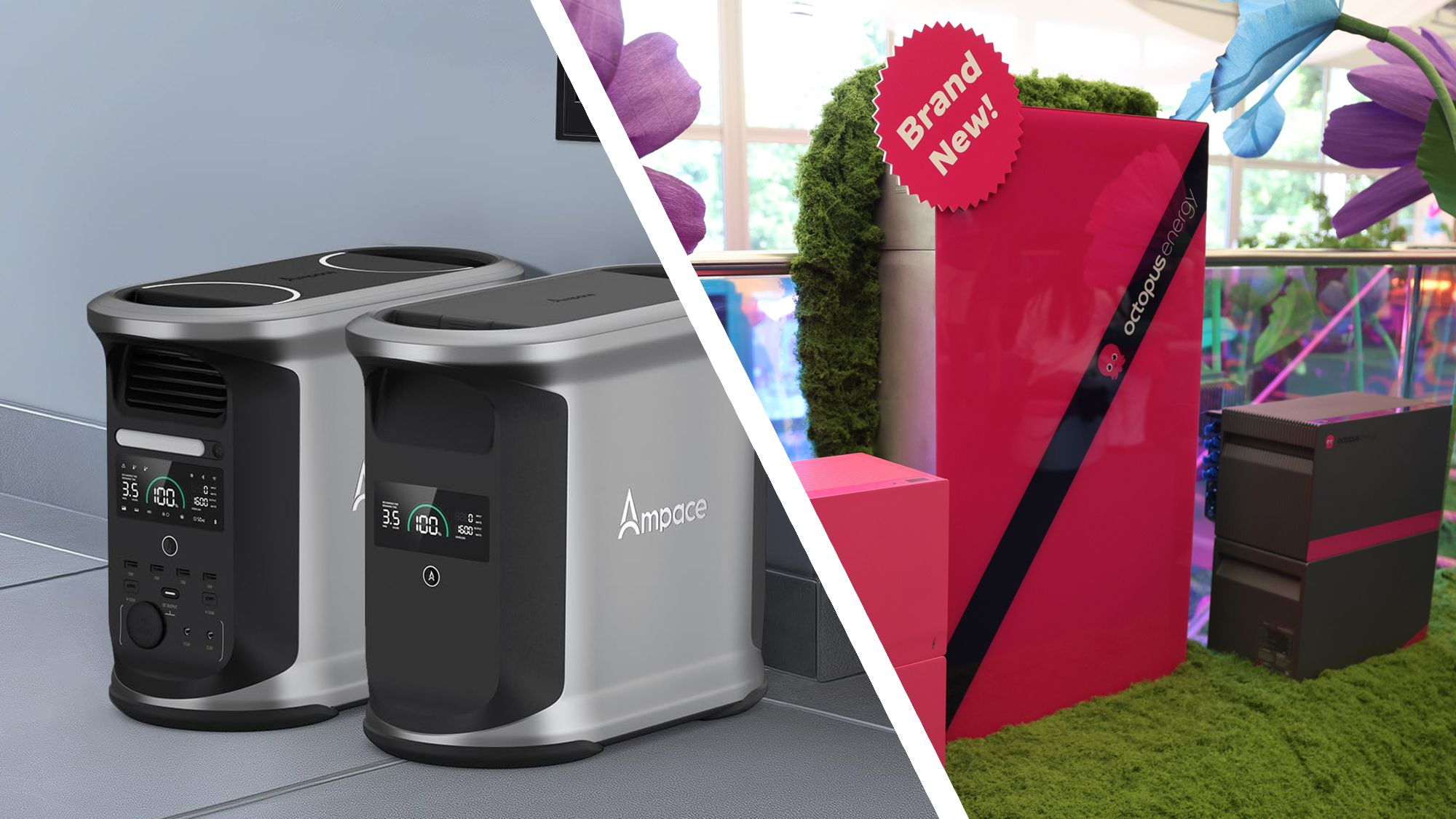
Octopus Energy, CATL, and Ampace Form Battery Alliance
Octopus Energy has partnered with battery giants CATL and Ampace to develop next-generation home energy storage solutions. The alliance, focused initially on Europe, combines Octopus’s smart software with advanced battery hardware, potentially introducing sodium-ion technology. This move aims to lower electricity costs and enhance grid stability through improved energy efficiency.
Key points
- Octopus Energy, CATL, and Ampace signed a Memorandum of Understanding to collaborate on next-generation home battery technology.
- The partnership leverages Octopus’s smart tariff and app ecosystem alongside CATL and Ampace’s hardware and chemistry expertise.
- Initial development efforts are targeted at European markets to address local energy storage demands.
- Expected innovations include sodium-ion batteries, high-density cell designs, and extended battery lifecycles.
- The initiative aims to reduce household electricity bills and improve overall energy system efficiency.
Strategic Alliance in Home Energy Storage
Octopus Energy, a prominent energy supplier, has entered into a strategic partnership with two major battery manufacturers, CATL and Ampace. The collaboration was formalized through a Memorandum of Understanding (MoU), signaling a significant shift in how home energy storage solutions are developed and deployed. This alliance brings together distinct strengths: Octopus Energy contributes its technological infrastructure, including smart tariff systems, mobile applications, and customer ecosystem platforms. In return, CATL and Ampace provide their extensive expertise in battery chemistry and hardware engineering. This combination of software intelligence and hardware capability is designed to create more efficient and accessible home energy storage systems.
Focus on European Markets
The initial phase of this initiative is specifically targeted at European markets. Europe has seen a rapid increase in demand for home energy solutions, driven by rising electricity costs and a push for greater energy independence. By focusing on this region first, the partners aim to address specific local grid challenges and consumer needs. The partnership does not yet involve specific product launches or detailed technical specifications. However, the groundwork laid by this MoU suggests that future products will be tailored to the regulatory and market conditions present in Europe. This strategic choice highlights the growing importance of the European market in the global transition towards decentralized energy systems.
Technological Innovations on the Horizon
While no concrete products have been announced, the partnership promises significant technological advancements. Industry observers expect the collaboration to drive the adoption of sodium-ion batteries, a technology that offers a potentially cheaper and more sustainable alternative to traditional lithium-ion batteries. Sodium-ion batteries are known for their ability to use abundant materials, which could significantly reduce production costs. Additionally, the partners are expected to focus on high-density cell designs and longer battery lifecycles. These improvements are crucial for making home batteries more attractive to consumers by offering better value over time. The integration of these technologies with Octopus Energy’s smart grid capabilities could lead to more responsive and efficient energy management systems.
Impact on Consumers and Grid Stability
The ultimate goal of this alliance is to benefit consumers by reducing electricity bills and enhancing grid stability. Home batteries play a critical role in balancing supply and demand on the electrical grid. By storing excess energy generated from renewable sources, such as solar panels, homeowners can use this power during peak hours when electricity prices are highest. This not only saves money for consumers but also reduces the strain on the grid during high-demand periods. The partnership’s focus on advanced battery technology and smart software integration is expected to make these systems more effective and affordable. As the technology matures, it could lead to widespread adoption of home energy storage, contributing to a more resilient and sustainable energy infrastructure.
Industry Implications and Future Outlook
The collaboration between Octopus Energy, CATL, and Ampace reflects broader trends in the energy sector. As renewable energy sources become more prevalent, the need for effective energy storage solutions becomes increasingly urgent. Major players in the industry are recognizing the value of combining hardware and software expertise to create comprehensive solutions. This partnership sets a precedent for future collaborations in the energy storage space. It demonstrates how energy suppliers and manufacturers can work together to drive innovation and address market challenges. As the partnership progresses, it will be interesting to see how these technologies are integrated into existing energy systems and what impact they have on the broader energy market.
Key takeaways
- Octopus Energy, CATL, and Ampace have formed an alliance to develop next-generation home battery technology.
- The partnership combines Octopus’s smart software with the hardware expertise of CATL and Ampace.
- Initial efforts are focused on the European market to address local energy storage needs.
- Expected innovations include sodium-ion batteries, high-density cells, and longer battery lifecycles.
- The initiative aims to reduce electricity costs for consumers and improve grid stability.
Sources
The WireByte editorial team synthesises technology news from multiple primary sources, verifies the facts, and links every source. Articles are produced with AI assistance and reviewed under our editorial policy.