NYT Strands Launches New Daily Word Puzzle Game
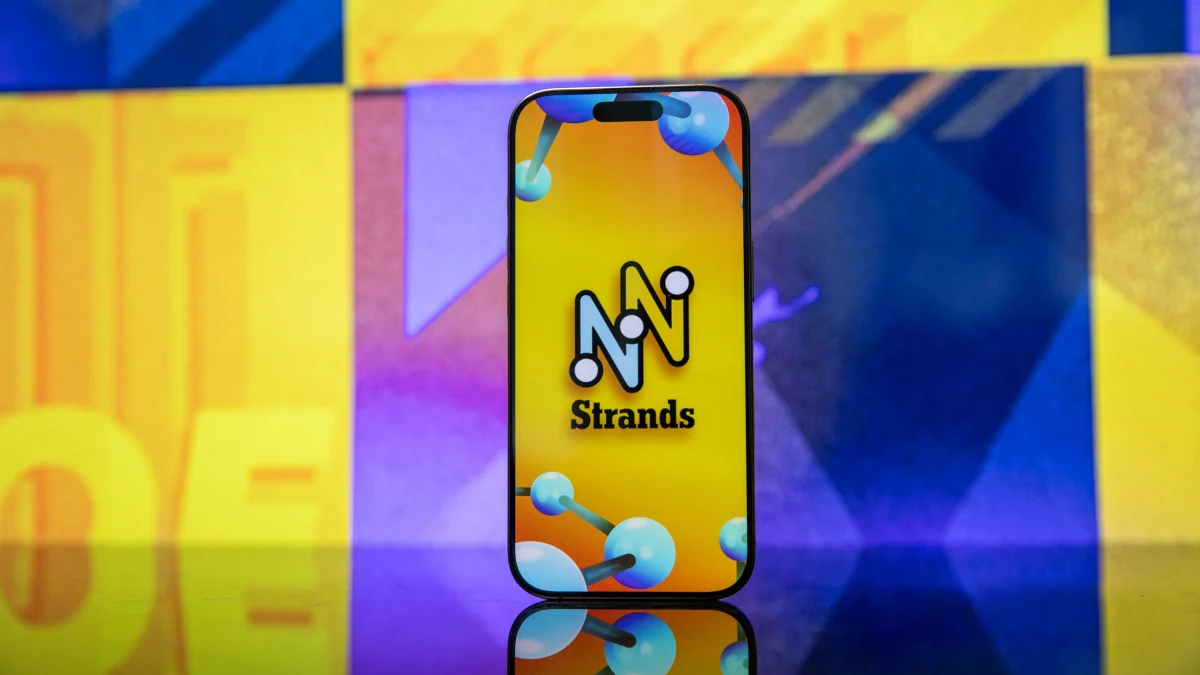
The New York Times has introduced Strands, a new daily word-search game that expands on traditional mechanics by allowing words to change direction and form complex shapes. Requiring players to find all letters in the grid, the game features a thematic 'spangram' and aims to offer a more challenging experience than existing titles like Wordle.
Key points
- The New York Times launched Strands, a new daily word-search puzzle game designed to offer a more complex challenge than its existing titles.
- Unlike traditional word searches, Strands allows words to be formed by linking letters in any direction, including diagonals and changing directions to create quirky shapes.
- Every single letter in the grid must be used in an answer, and the puzzle includes a 'spangram' that spans the grid horizontally or vertically to summarize the theme.
- The game requires approximately 10 minutes to solve and features a unique theme for each day, such as the November 14, 2026 theme of 'Preschool fun.'
- Strands is positioned as a brain-teasing alternative to popular NYT games like Wordle and Connections, appealing to players seeking a more intricate linguistic challenge.
A New Twist on Word Search
The New York Times has expanded its digital gaming portfolio with the introduction of Strands, a new daily word-search puzzle that reimagines the classic genre. This latest addition to the Times' suite of popular games aims to provide a more intricate and engaging experience for puzzle enthusiasts who have mastered existing titles like Wordle and Connections. The game debuted with a specific daily theme, demonstrating the publication's strategy of offering fresh, time-sensitive content to its growing audience of digital subscribers.
Enhanced Gameplay Mechanics
Strands distinguishes itself through a set of rules that significantly increase the complexity of the traditional word search. While standard word searches typically involve finding words in straight lines, Strands allows players to link letters in any direction, including up, down, left, right, and diagonally. A key feature of the game is the ability for words to change direction, resulting in quirky shapes and patterns that require players to think beyond linear scanning. This mechanic adds a layer of spatial reasoning to the linguistic challenge, making the puzzle more dynamic and visually complex.
The Spangram and Thematic Depth
A defining characteristic of Strands is the inclusion of the 'spangram,' a special word or phrase that spans the entire grid either horizontally or vertically. This spangram serves to summarize the day's theme, providing a central anchor for the puzzle. Additionally, every single letter in the grid must be part of an answer, ensuring that there are no unused characters and that the puzzle is fully integrated. This requirement forces players to engage with the entire grid, rather than just picking out isolated words, creating a more cohesive and satisfying solving experience.
Daily Themes and Player Engagement
Each day's puzzle features a unique theme that links all the solutions. For example, the puzzle released on November 14, 2026, carried the theme 'Preschool fun,' with words related to children's games. This thematic approach adds context and helps guide players, making the puzzle more accessible while still maintaining its challenge. The game is designed to take approximately 10 minutes or more to solve, offering a substantial mental workout that appeals to players looking for a deeper engagement than quick daily games provide.
Market Positioning and Competition
The launch of Strands positions the New York Times as a leader in the digital puzzle market, competing with other popular word games. By introducing a game that is more complex than Wordle but more accessible than traditional crosswords, the Times is targeting a broad audience of puzzle lovers. The game's design encourages daily engagement, as players return to solve the new puzzle each day and discover the new theme and spangram. This strategy helps maintain user retention and drives traffic to the Times' digital platforms.
User Experience and Accessibility
While Strands offers a more challenging experience, it also provides tools for players who may find the puzzle difficult. Hints and answers are available for those who are stuck or short on time, ensuring that the game remains enjoyable for players of all skill levels. The game's design, which includes a theme and a spangram, helps to guide players and provides a sense of accomplishment when the puzzle is solved. This balance of challenge and accessibility is key to the game's appeal and potential success in the crowded digital puzzle market.
What Comes Next
As the New York Times continues to expand its digital offerings, the success of Strands will likely influence future game developments. The game's unique mechanics and thematic depth set it apart from other word games, and its daily format encourages consistent user engagement. Whether Strands becomes a staple in the daily routines of puzzle enthusiasts remains to be seen, but its launch marks a significant step in the evolution of digital word games. The Times' ability to innovate within the puzzle genre suggests that more creative and complex games may follow in the near future.
Key takeaways
- The New York Times has launched Strands, a new daily word-search game with unique directional and shape-based mechanics.
- Players must use every letter in the grid, and words can change direction, adding complexity to the traditional format.
- Each puzzle features a daily theme and a 'spangram' that spans the grid, summarizing the theme.
- The game requires approximately 10 minutes to solve and includes hints for players who need assistance.
- Strands aims to offer a more challenging and engaging experience than existing NYT games like Wordle and Connections.
Sources
The WireByte editorial team synthesises technology news from multiple primary sources, verifies the facts, and links every source. Articles are produced with AI assistance and reviewed under our editorial policy.