Nvidia Investigates CEO Jensen Huang Over Spy Allegations
Nvidia launched an internal investigation into CEO Jensen Huang after he confessed to an affair with a woman suspected by U.S. intelligence of being a Chinese spy. The company stated no secrets were compromised, but shares fell 5%. China dismissed the allegations as a smear campaign. The probe examines whether Huang was aware of espionage activities linked to restricted chip sales.
Key points
- Nvidia CEO Jensen Huang, the leader of the world's most valuable chipmaker, confessed to an extramarital affair with Alice Huang, an executive at Megaspeed, prompting an internal investigation.
- U.S. intelligence determined that Alice Huang, who runs a Singapore-based IT firm under investigation for smuggling advanced GPUs into China, was gathering information for Beijing.
- Nvidia shares dropped 5% in pre-trading on November 9, 2026, as the company valued at approximately $4.50 trillion confirmed the probe while asserting no national security secrets were compromised.
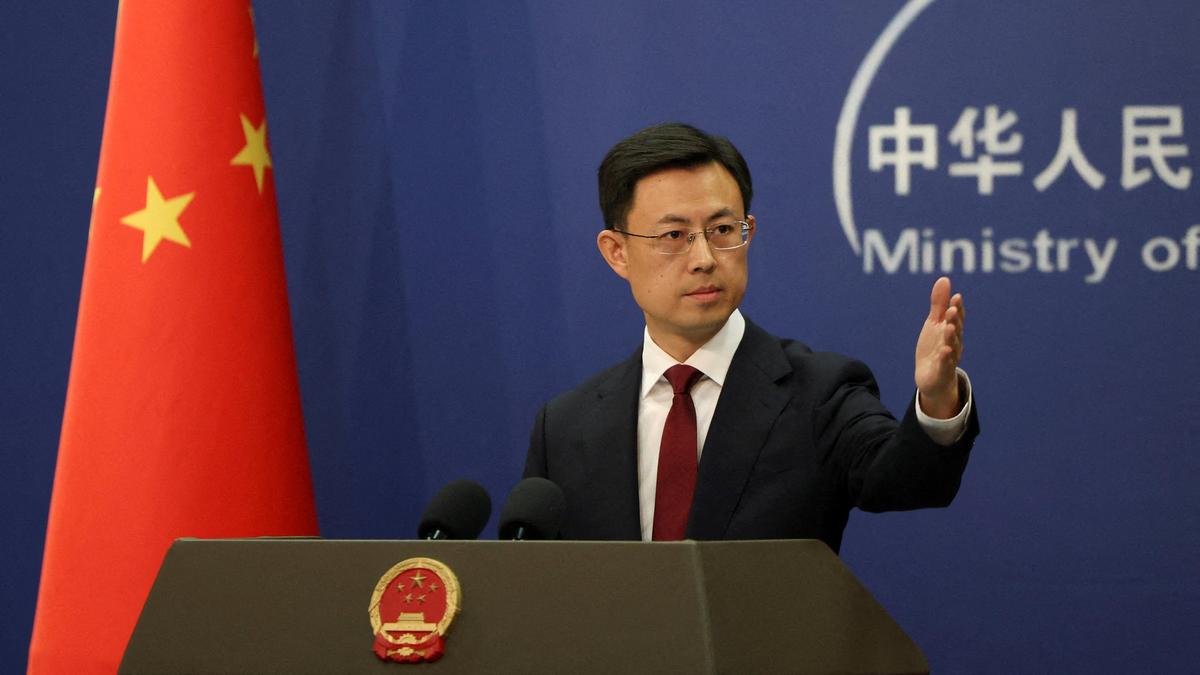
- Chinese Foreign Ministry spokesperson Guo Jiakun rejected the claims as unsubstantiated smears against Beijing, denying any involvement in espionage activities.
- The investigation focuses on whether Jensen Huang was aware of espionage activities and if his relationship facilitated unauthorized sales of advanced computer chips to China despite U.S. restrictions.
Investigation Launched Amid Espionage Claims
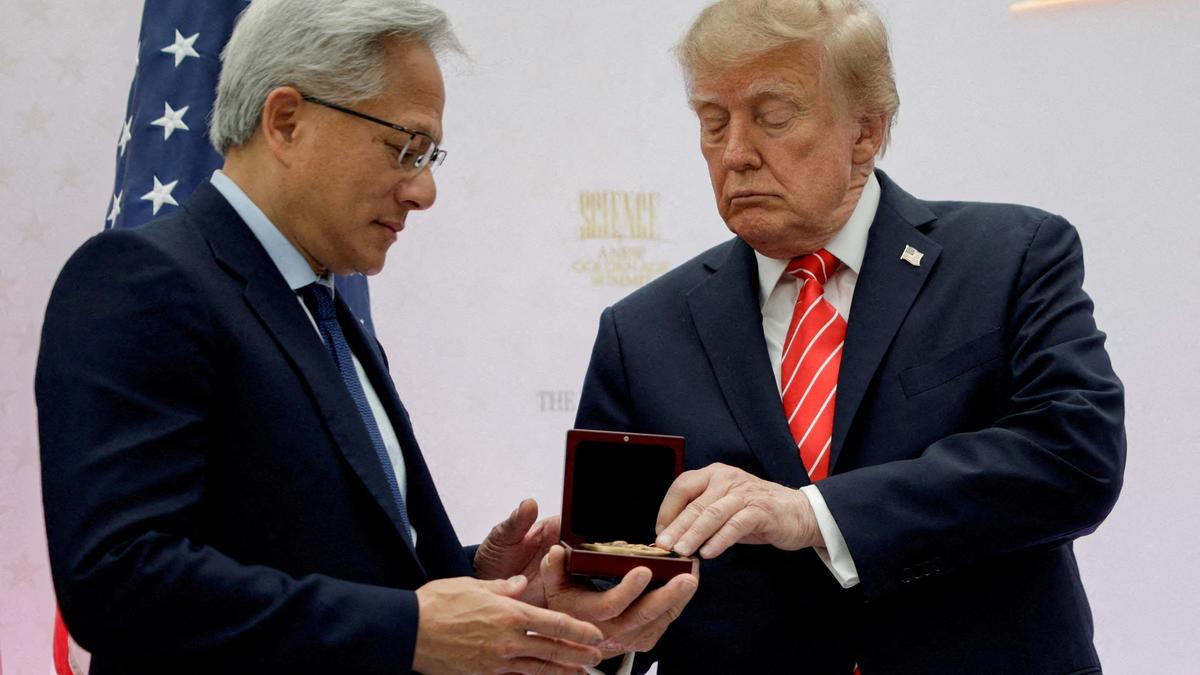
Nvidia has initiated a formal internal investigation into the conduct of its Chief Executive Officer, Jensen Huang, following revelations that he engaged in an extramarital relationship with a woman suspected by U.S. intelligence of acting as a spy for the People's Republic of China. The disclosure has triggered significant market reaction and diplomatic friction, as the company grapples with allegations that its leader’s personal conduct may have intersected with national security concerns regarding advanced semiconductor technology.
The controversy centers on Alice Huang, an executive at Megaspeed, a Singapore-based information technology and cloud computing company. U.S. intelligence agencies have been monitoring Megaspeed, which is currently under investigation for allegedly smuggling Nvidia’s most advanced graphics processing units (GPUs) into China. These chips are subject to strict U.S. export controls designed to limit Beijing’s access to technologies critical for artificial intelligence and military applications. Intelligence reports indicate that Alice Huang was gathering information for Beijing through her relationship with Jensen Huang.
CEO Confesses and Apologizes
Jensen Huang acknowledged the affair to the Nvidia board, admitting to an intimate relationship with the business executive. In a letter addressed to Nvidia staff, the CEO expressed deep remorse for his actions, stating, "I am deeply sorry." While he did not name Alice Huang in his public statements or initial denials, the New York Times report that broke the story in November 2026 identified her as the individual involved. Huang had previously dismissed the reports as "groundless speculation" before being summoned for a closed-door briefing by U.S. Congress.
Nvidia stated that it is confident no internal or national security secrets were compromised through the relationship. However, the company emphasized that the investigation is necessary to determine the full scope of the interaction. The probe will specifically examine whether Jensen Huang was aware of any espionage activities conducted by Alice Huang and whether his relationship facilitated the unauthorized transfer of restricted technology. The company’s valuation stands at approximately $4.50 trillion, reflecting its dominant role in powering the global artificial intelligence boom.
Market and Diplomatic Reactions
The news sent Nvidia’s stock price down 5% in pre-trading on Monday, November 9, 2026. While this percentage drop may appear modest, it represents a substantial loss in market capitalization given the company’s size. The decline underscores investor concern over potential regulatory scrutiny and reputational damage. The incident has also drawn sharp diplomatic responses. The Chinese Foreign Ministry firmly denied the allegations, labeling them as unsubstantiated smears against Beijing. Spokesperson Guo Jiakun stated on Monday that the so-called Chinese spy allegation is nothing but a smear campaign, rejecting the narrative that China was involved in espionage through the CEO’s personal life.
Significance and Next Steps
This incident highlights the intense geopolitical tensions surrounding the semiconductor industry, particularly the flow of advanced chips to China. Nvidia is one of the world's most valuable publicly traded companies, alongside Apple and Microsoft, making its compliance with U.S. export controls a matter of global economic and security interest. The internal investigation’s findings could have significant implications for Nvidia’s leadership and its standing with U.S. regulators. As the probe continues, the company faces the challenge of maintaining its market position while addressing serious allegations that threaten its operational integrity and national security compliance. The outcome of this investigation will likely influence future oversight of tech executives involved in sensitive international trade relationships.
Sources
The WireByte editorial team synthesises technology news from multiple primary sources, verifies the facts, and links every source. Articles are produced with AI assistance and reviewed under our editorial policy.