Nvidia CEO Jensen Huang Summonsed by Congress Amid Spy Affair Probe
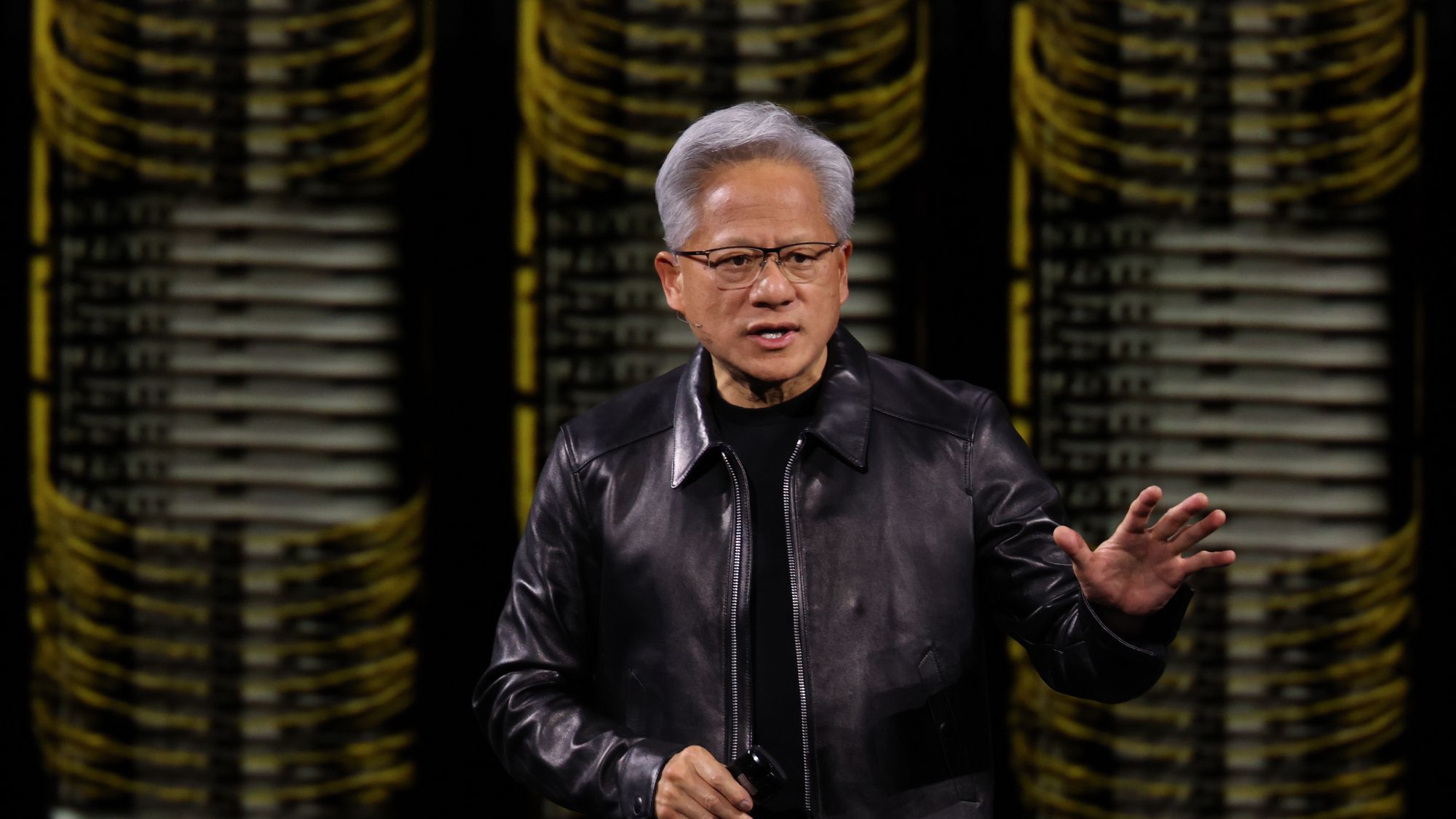
Nvidia CEO Jensen Huang faces a congressional summons and internal probe after admitting to an affair with Alice Huang, an alleged Chinese intelligence operative. The scandal, emerging as China accounts for 8% of Nvidia's revenue, has drawn bipartisan scrutiny over export controls. While Trump and Musk defend Huang, shares dropped 6%, highlighting global tensions over AI chip access and national security.
Key points
- Nvidia CEO Jensen Huang admitted to an extramarital affair with Alice Huang, a Megaspeed executive whom US intelligence suspects is a Chinese spy, triggering an internal board investigation.
- The US House Select Committee on China, led by Reps. Brian Mast, John Moolenaar, and Eric Crawford, has summoned Huang to testify regarding security protocols and foreign espionage concerns.
- Nvidia shares fell approximately 6% following the announcement, wiping hundreds of billions from the company's market value amid fears of regulatory backlash and reputational damage.
- The controversy impacts Nvidia's strategic lobbying for relaxed US export controls, as China represented $7.9 billion, or 8%, of the company's revenue in the quarter ended July 26.
- High-profile allies including President Donald Trump and Elon Musk have publicly defended Huang, characterizing the incident as a personal lapse rather than evidence of corporate treachery.
- China's foreign ministry dismissed the espionage allegations as groundless smears, while Nvidia stated it has no reason to believe its secrets were compromised despite the probe.
Congressional Scrutiny Intensifies
Nvidia CEO Jensen Huang has been formally summoned to appear before the House Select Committee on China, marking a significant escalation in the political fallout from his admitted extramarital affair. The summons follows reports that Huang engaged in a relationship with Alice Huang, a former executive at Megaspeed, a Singapore-based data center company that has done business with Nvidia. US intelligence officials believe Alice Huang was recruited by Chinese intelligence to gather information about the CEO and influence the company’s efforts to loosen chip export restrictions. The committee letter, signed by Chairman Rep. Brian Mast (R-FL), Rep. John Moolenaar (M-MI), and Rep. Eric A. Crawford (R-AK), expresses serious concerns over Nvidia’s security protocols against foreign adversary espionage and Mr. Huang’s reported ties to the alleged spy.
Market Reaction and Corporate Response
The revelation that the world’s most valuable chip company’s leader was targeted in an espionage campaign has had immediate financial consequences. Nvidia shares tumbled by approximately 6% on Monday, erasing hundreds of billions of dollars from the firm’s market capitalization. In response to the growing crisis, Nvidia’s board of directors announced it is launching an independent investigation into the matter, working with outside legal counsel. Despite the turmoil, Nvidia stated it has no reason to believe the company’s secrets or national security were compromised. CEO Jensen Huang issued a memo to employees on Sunday, admitting he was unfaithful to his wife of nearly four decades, Lori, and apologizing for hurting her and their children. He pledged full cooperation with the internal probe.
Political Divides and Global Tensions
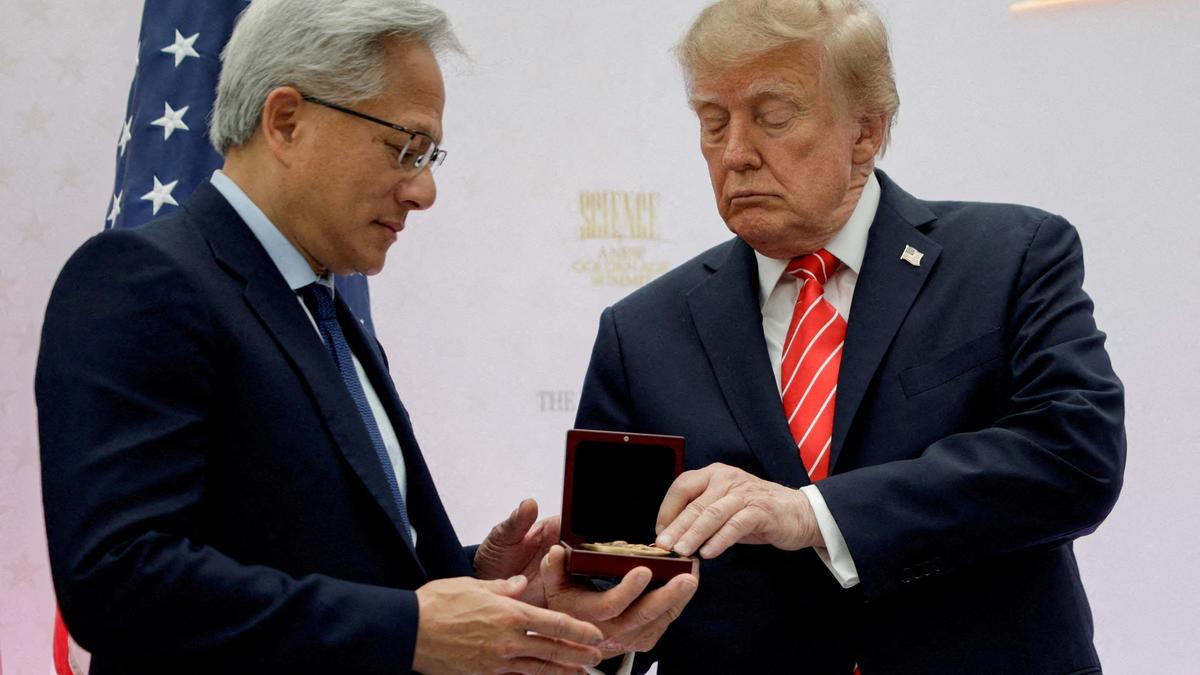
The incident has drawn sharp reactions from global powers and domestic political figures. China’s foreign ministry rejected the espionage claims entirely, describing the allegations as "entirely groundless, speculative and intended to smear and malign China." Meanwhile, within the United States, prominent allies have rallied behind Huang. President Donald Trump, who was reportedly briefed on the relationship last year but took no action at the time, told reporters he believes Huang is an "honorable guy" and should remain CEO. Tech mogul Elon Musk and other finance leaders have also expressed support, framing the affair as a personal lapse in judgment rather than evidence of treachery against the United States.
Impact on AI Chip Export Strategy
The scandal strikes at a critical juncture for Nvidia’s business strategy regarding China. Historically, China has been a major market for the company, though its share has shrunk due to strict US export controls and Beijing’s push for domestic alternatives. In the three months ended July 26, Nvidia recorded $7.9 billion in revenue from customers headquartered in China, representing roughly 8% of total revenue. Huang has been a vocal advocate for maintaining access to the Chinese market, having met repeatedly with President Trump and administration officials last year. These lobbying efforts yielded some success, with the government reversing restrictions on Nvidia’s H20 chips. However, the current controversy threatens to complicate these arguments, as critics may view Huang’s relationship with an alleged spy as evidence that his advocacy for relaxed controls is compromised by foreign influence.
Key takeaways
- Jensen Huang faces a congressional summons and internal probe over his affair with Alice Huang, an alleged Chinese spy.
- Nvidia shares dropped 6%, reflecting market anxiety over potential regulatory and reputational risks.
- The scandal complicates Nvidia’s lobbying efforts to maintain AI chip sales to China, which accounted for 8% of recent revenue.
- US intelligence suspects Alice Huang was recruited to influence Nvidia’s export control strategies.
- President Trump and Elon Musk have publicly defended Huang, calling the incident a personal matter.
- China denies the espionage allegations, labeling them as political smears.
Sources
The WireByte editorial team synthesises technology news from multiple primary sources, verifies the facts, and links every source. Articles are produced with AI assistance and reviewed under our editorial policy.