Nvidia CEO Jensen Huang Sued Over Alleged Ties to Chinese Spy
Nvidia and CEO Jensen Huang face a shareholder lawsuit alleging fraud for concealing Huang’s affair with Alice Huang, identified by U.S. intelligence as a Chinese spy. The suit claims the relationship posed national security risks. President Trump stated the FBI is investigating but expressed confidence in Huang, who apologized and pledged full cooperation with authorities.
Key points
- Nvidia and CEO Jensen Huang are sued in a proposed class action in San Jose, California, for allegedly defrauding shareholders by hiding Huang's affair with Alice Huang.
- Alice Huang, a former Megaspeed executive, is identified by U.S. intelligence as a Chinese government agent, raising national security concerns regarding Nvidia's chip technology.
- Jensen Huang acknowledged the infidelity in an open letter, apologized to his wife and company, and stated he had no prior knowledge of her espionage activities.
- President Trump confirmed the FBI is investigating the matter but told reporters he believes Huang will be fine and that he spoke with the CEO to offer support.
- Nvidia shares fell 4.3% on November 9, 2026, following the announcement of the lawsuit and the revelation of the alleged security breach.
Legal Action and Allegations
Nvidia Corporation and its Chief Executive Officer, Jensen Huang, are facing a proposed class action lawsuit filed in federal court in San Jose, California. The complaint, lodged on Monday, November 9, 2026, accuses the defendants of securities fraud by concealing Huang’s extramarital affair with Alice Huang, a former executive at Singapore-based Megaspeed. The suit alleges that the company and its CEO misled investors by failing to disclose that the relationship raised significant national security concerns, potentially threatening Nvidia’s reputation and business prospects. The filing comes shortly after The New York Times reported that U.S. authorities had concluded Alice Huang was an intelligence asset for China. Nvidia announced an internal probe into the matter on Sunday, November 8, 2026. The company did not immediately respond to requests for comment regarding the specific legal allegations.
Government Response and Political Context
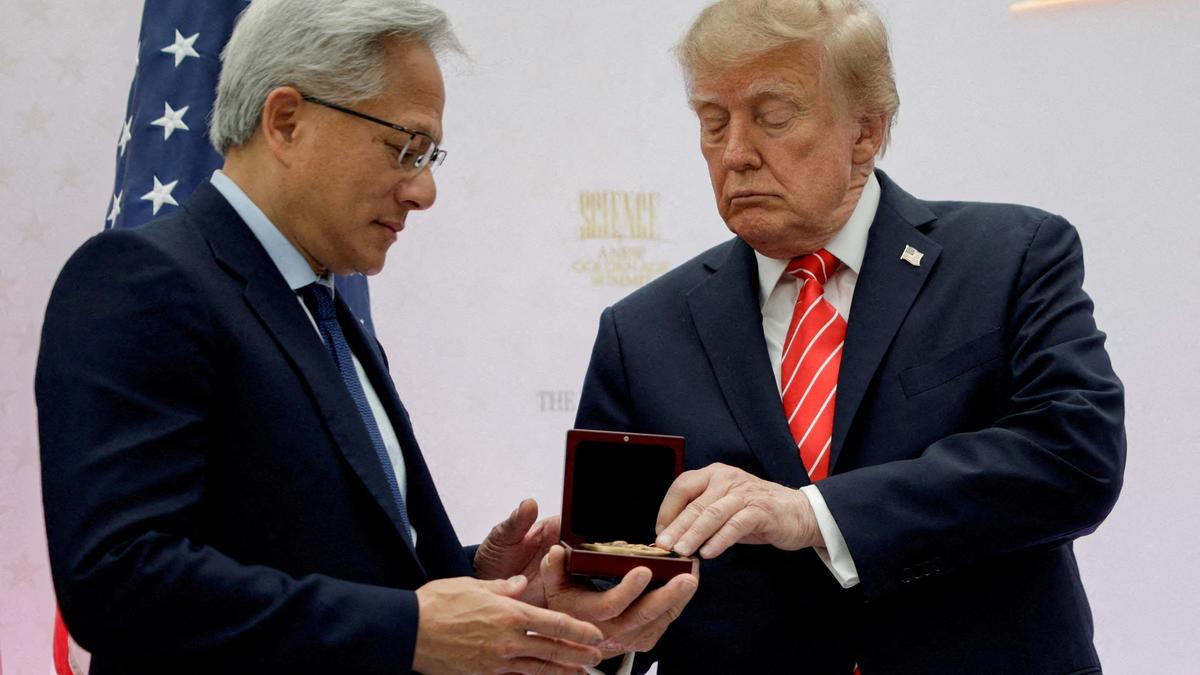
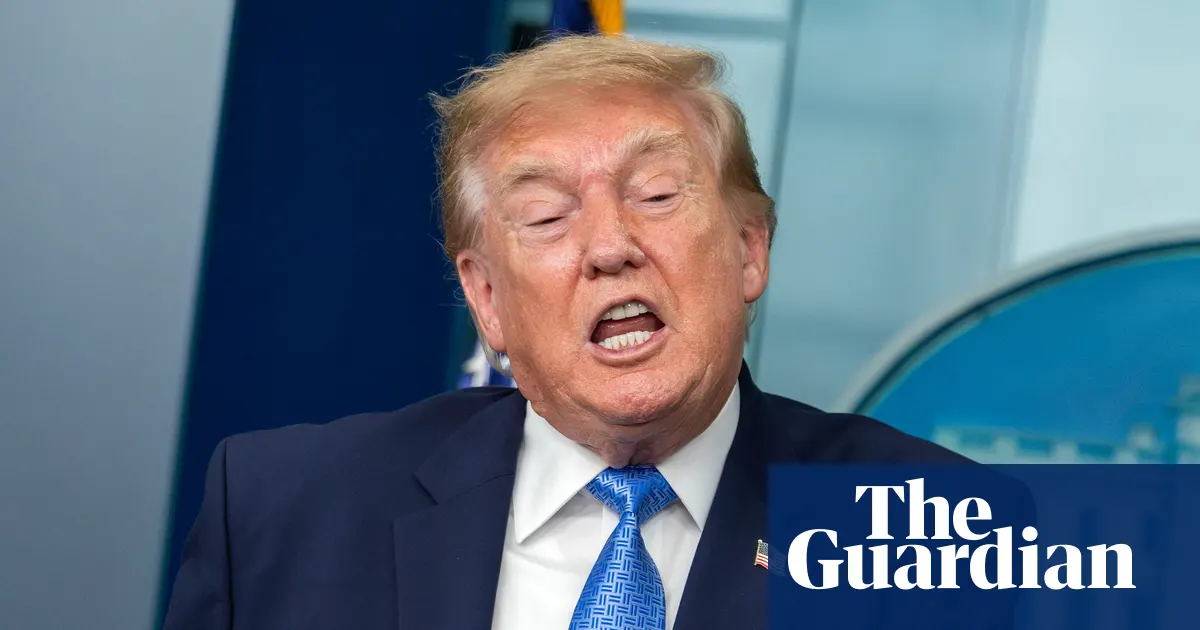
The situation has drawn direct attention from the highest levels of the U.S. government. President Donald Trump addressed the media on Monday, confirming that the Federal Bureau of Investigation is actively investigating the affair. Despite the severity of the allegations involving a suspected foreign agent, Trump expressed support for the tech executive. "I know the FBI is looking into it in terms of something else, and I think that he'll be in good shape," Trump stated during a White House briefing. He revealed that he had personally spoken to Jensen Huang to check on his well-being, noting that the CEO claimed to have had absolutely no knowledge that his partner was a spy. The President’s intervention highlights the complex relationship between the administration and key figures in the technology sector, as well as the geopolitical stakes surrounding artificial intelligence development.
Corporate Impact and Market Reaction
The revelation has sent shockwaves through the political class and the global technology industry. Jensen Huang, who co-founded Nvidia and has led the Santa Clara-based company to become the world's most valuable chipmaker, has seen his public image severely damaged. In an open letter posted on Nvidia’s website, Huang apologized to his wife and the company for his infidelity. He stated, "I support the investigation and will cooperate fully." The market reacted swiftly to the news, with Nvidia’s shares closing down 4.3% on Monday. This drop reduced the company's market capitalization, reflecting investor anxiety over potential regulatory scrutiny and the implications of a top executive being linked to a foreign intelligence operation. The incident raises critical questions about the security protocols within one of the most vital companies in the global AI supply chain.
Broader Implications for AI Security
The allegations underscore the intense geopolitical rivalry between the United States and China in the realm of artificial intelligence. Nvidia’s chips are foundational to the development of advanced AI systems, making the company a focal point of national security concerns. The fact that a suspected Chinese intelligence asset was involved with the CEO suggests potential vulnerabilities in executive oversight or background checks. While Trump suggested that Huang has no reason to worry, the FBI’s involvement indicates that the U.S. government is treating the matter with serious counterintelligence gravity. The lawsuit adds a layer of legal complexity, as shareholders seek damages for alleged misrepresentation of risk. As the investigation proceeds, the tech sector will likely face increased pressure to demonstrate robust security measures and ethical governance standards to protect against foreign espionage.
Key takeaways
- Nvidia and Jensen Huang are sued for allegedly hiding an affair with a suspected Chinese spy from shareholders.
- Alice Huang, the woman involved, is identified by U.S. intelligence as a Chinese government agent.
- Jensen Huang apologized and pledged cooperation, claiming ignorance of her espionage role.
- President Trump confirmed FBI involvement but expressed confidence in Huang’s standing.
- Nvidia stock fell 4.3% as investors weighed the national security and reputational risks.
Sources
The WireByte editorial team synthesises technology news from multiple primary sources, verifies the facts, and links every source. Articles are produced with AI assistance and reviewed under our editorial policy.