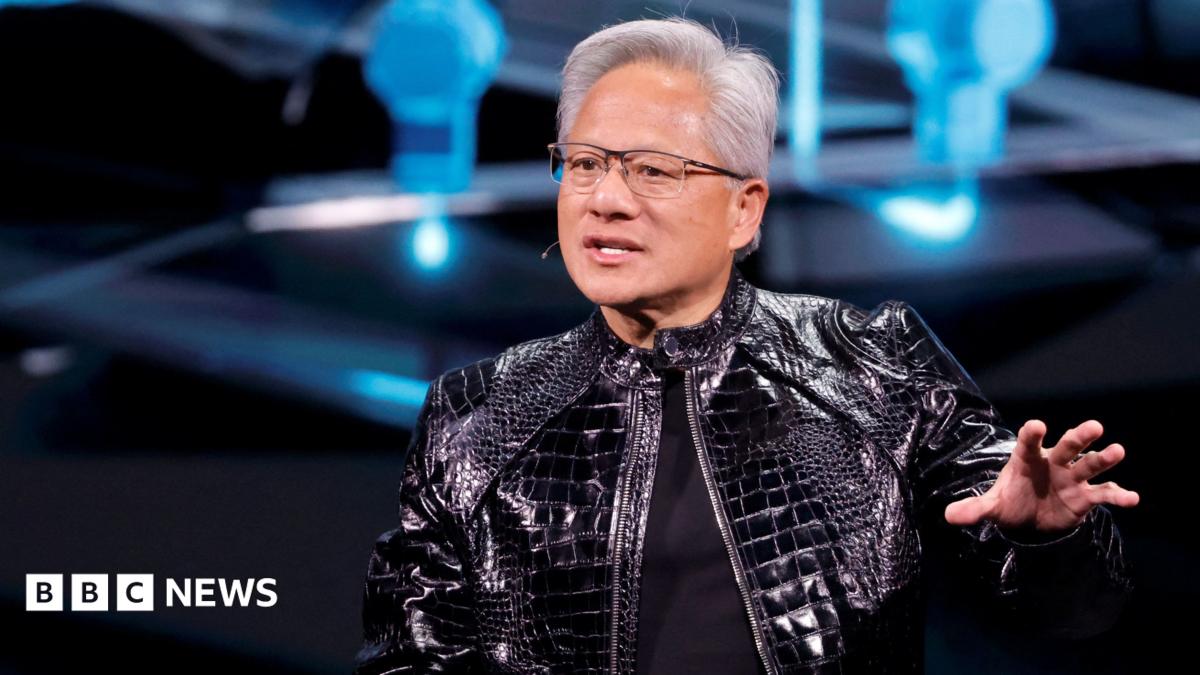
Nvidia CEO Jensen Huang Faces US Probe Over China Chip Exports
Jensen Huang, chief executive of Nvidia, is under investigation by US authorities regarding allegations of an affair with a suspected Chinese spy. The probe coincides with Huang’s efforts to secure export licenses for advanced AI chips to China, highlighting the intersection of corporate strategy, national security, and geopolitical tensions in the semiconductor industry.
Key points
- Jensen Huang, the CEO of Nvidia, is the subject of a US investigation concerning an alleged extramarital affair with a woman suspected of being a Chinese spy.
- The probe coincides with Huang’s active lobbying efforts to persuade the Trump administration to lift export bans on high-performance AI chips, specifically the H200 model, to China.
- Nvidia’s technology, including chips named Gracehopper, Vera, and Rubin, forms the critical hardware infrastructure for global frontier artificial intelligence models.
- The situation underscores the complex relationship between Nvidia’s commercial interests in the Chinese market and US national security concerns regarding semiconductor exports.
- Huang’s influence is seen as pivotal, with his ability to navigate regulatory hurdles potentially impacting the global supply chain for AI computing power.
Geopolitical Tensions and Corporate Leadership
Jensen Huang, the chief executive officer of Nvidia, is currently at the center of a significant geopolitical and legal controversy. According to reports, Huang is under investigation by US authorities regarding allegations of an extramarital affair with a woman suspected of being a Chinese spy. This development places the leader of one of the world’s most valuable technology companies in a precarious position, as it intersects directly with his professional efforts to influence US export policy. The investigation highlights the increasing complexity of doing business in the semiconductor sector, where corporate strategy is deeply entangled with national security concerns.
The Lobbying for Chip Exports
The timing of the investigation is particularly notable given Huang’s recent activities. He has been actively engaged in efforts to persuade the Trump administration to lift export bans on advanced artificial intelligence chips to China. Specifically, Huang has sought approval for the H200, a high-performance chip that is currently restricted from export to Chinese entities. An export ban on a less powerful chip had already been lifted, but the H200 remains a focal point of contention. Huang’s ability to navigate these regulatory hurdles is seen as crucial for Nvidia’s continued access to the Chinese market, which remains a significant revenue source for the company.
Nvidia’s Role in Global AI Infrastructure
Nvidia’s technology is foundational to the global artificial intelligence landscape. The company’s chips, including models such as Gracehopper, Vera, and Rubin, power the creation of frontier AI models that are transforming industries worldwide. Despite their technical significance, these chip names are largely unknown to the general public. However, their importance to the future of the world order cannot be overstated. As the demand for AI computing power grows, Nvidia’s role as the primary supplier of these critical components makes it a key player in the global tech ecosystem.
Comparisons to Steve Jobs
Huang’s leadership style and public persona have drawn comparisons to late Apple co-founder Steve Jobs. Both leaders are known for their charisma and distinctive fashion choices, with Huang opting for a leather jacket instead of Jobs’ signature turtleneck. However, the stakes for Huang are significantly higher. While Jobs revolutionized consumer electronics, Huang’s decisions impact the foundational infrastructure of global AI development. His ability to balance commercial interests with geopolitical realities is being closely watched by regulators, competitors, and allies alike.
Implications for the Semiconductor Industry
The investigation into Huang raises broader questions about the integrity of the semiconductor supply chain and the influence of foreign actors. As the US government tightens restrictions on technology exports to China, companies like Nvidia face increasing pressure to comply with national security directives. The outcome of the investigation could have significant implications for Nvidia’s business operations and its relationships with international clients. It also serves as a reminder of the delicate balance between innovation and security in the high-stakes world of AI development.
What Happens Next
As the investigation proceeds, the tech industry will be watching closely for any developments that could affect Nvidia’s stock price, its export licenses, or its strategic direction. The resolution of this case may set a precedent for how US authorities handle similar allegations involving tech executives in the future. Meanwhile, the debate over AI chip exports to China continues to intensify, with stakeholders on all sides arguing for their respective positions. The situation remains fluid, with potential consequences for the global tech landscape.
Key takeaways
- Jensen Huang, CEO of Nvidia, is under US investigation for an alleged affair with a suspected Chinese spy.
- The probe coincides with his efforts to secure export licenses for Nvidia’s H200 AI chips to China.
- Nvidia’s chips, including Gracehopper and Vera, are critical infrastructure for global AI models.
- The situation highlights the tension between corporate interests and US national security policies.
- The outcome could impact Nvidia’s business strategy and the global AI supply chain.
Sources
The WireByte editorial team synthesises technology news from multiple primary sources, verifies the facts, and links every source. Articles are produced with AI assistance and reviewed under our editorial policy.