Nvidia CEO Jensen Huang Faces Scandal Amid US-China Chip Policy Tensions
Nvidia CEO Jensen Huang is at the center of a sex scandal, complicating his influential role in US-China technology policy. Huang, who has advised the Trump administration on AI chip exports, argues restrictions are counterproductive. While Trump allowed some sales, advanced Blackwell chips remain banned. The scandal threatens Huang’s access and the administration’s stance on preventing Chinese military tech advancement.
Key points
- Jensen Huang, the CEO of Nvidia, is facing allegations of a sex scandal that have drawn intense public and political scrutiny.
- Huang has maintained close access to President Donald Trump, including travel on Air Force One and meetings in Britain and China.
- The US has restricted exports of advanced Nvidia chips to China since 2022 to prevent military use, though some sales resumed last year.
- Huang has publicly argued that export restrictions are counterproductive and encourage Chinese competitors to develop their own alternatives.
- Trump allowed Nvidia to resume certain chip sales to China last year in exchange for revenue sharing, but Blackwell chips remain banned.
- The scandal complicates Huang’s role as a key voice in the administration’s debate over balancing economic interests with national security.
A Scandal at the Apex of Tech Influence
Jensen Huang, the chief executive of Nvidia, finds himself embroiled in a sex scandal that has intensified pressure on the White House. This development is particularly significant given Huang’s unique position within the Trump administration. He is not merely a tech billionaire seeking access; he has become a central figure in one of the most contentious debates in Washington: how to manage the export of America’s most advanced artificial intelligence technology to China.
The Relationship with the White House
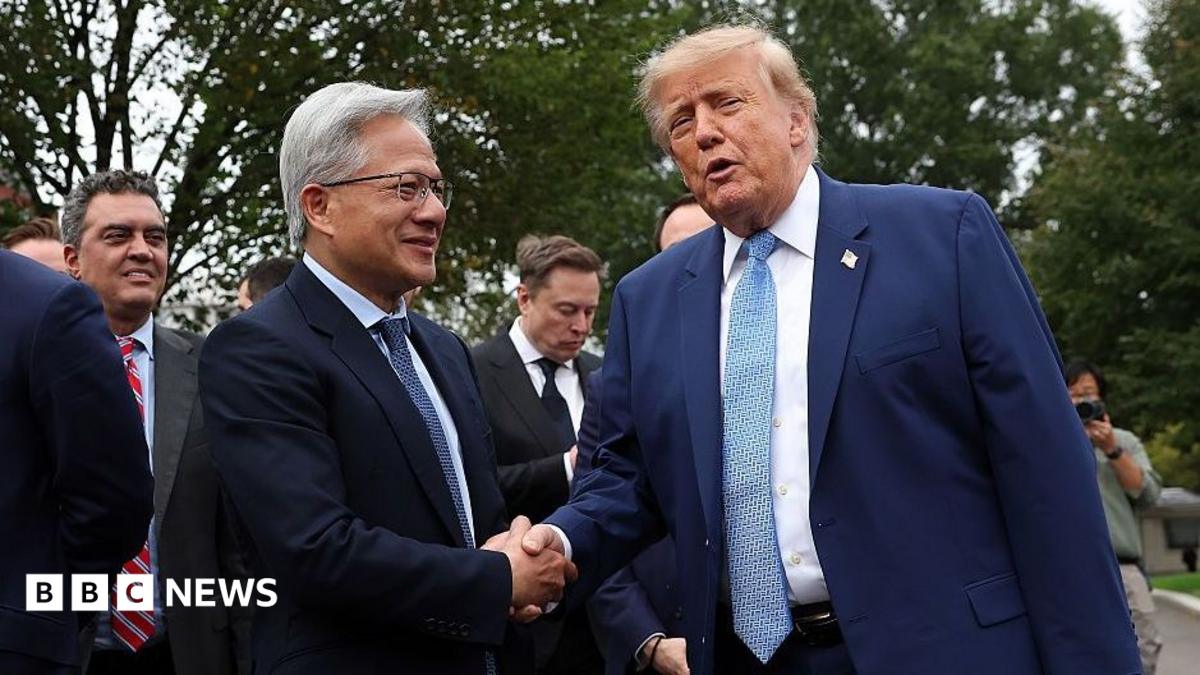
Huang’s relationship with President Donald Trump has been unusually close. He has met with the president repeatedly, traveled with him to Britain, and joined him on Air Force One for a trip to China in May. This level of access is rare for any business leader, let alone one whose company’s products are subject to strict geopolitical controls. Huang has served as an important voice in shaping the administration’s approach to technology exports, arguing his case directly with the president.
The Core of the Policy Dispute
The central issue revolves around Nvidia’s role in the AI revolution. The company manufactures the chips that power advanced AI systems. Since 2022, Washington has restricted the export of its most advanced processors to China, citing national security concerns. The US government believes these chips could help Beijing develop its military and technological capabilities. However, enforcing these restrictions has proven difficult. Chips can be purchased legally by customers in countries such as Singapore and Malaysia and then diverted to China. Additionally, Chinese companies can rent access to computing power through data centers located outside the country.
Huang’s Stance on Restrictions
Jensen Huang has long argued that these export restrictions are counterproductive. He contends that they shut Nvidia out of a massive market, potentially costing the company billions in revenue. More importantly, he argues that restrictions encourage Chinese companies to develop their own alternatives, which could eventually rival or surpass Nvidia’s technology. Trump appeared sympathetic to this view. Last year, the administration allowed Nvidia to resume sales of certain chips to China in return for a share of the revenue. This compromise attempted to balance economic interests with security concerns.
Current Limitations and the Blackwell Ban
Despite the partial resumption of sales, the most advanced Nvidia chips, known as Blackwell, remain off-limits to China. These chips represent the cutting edge of AI computing power. The ban on Blackwell chips underscores the administration’s determination to prevent China from accessing the most powerful tools available. The scandal surrounding Huang now threatens to complicate this delicate balance. His personal conduct has become a focal point, potentially affecting his credibility and access.
Implications for Future Policy
The allegations against Huang introduce a new variable into the ongoing debate. If Huang’s access to the president is diminished or his influence wanes, the administration may lose a key advocate for a more permissive export policy. Conversely, the scandal could be used by critics to argue for stricter controls, citing moral or ethical concerns. The outcome will depend on how the White House manages the fallout and whether Huang can maintain his role as a trusted advisor.
Global Significance
The situation has global implications. Nvidia’s chips are critical for AI development worldwide. Restrictions on their export affect not only the US and China but also other countries that rely on Nvidia technology. The scandal highlights the intersection of corporate leadership, personal conduct, and geopolitical strategy. It raises questions about the accountability of tech leaders who wield significant influence over national policy.
What Happens Next
The administration will likely monitor the situation closely. Any changes in Huang’s status could impact future export decisions. The debate over AI chip exports is unlikely to resolve quickly, as both economic and security concerns remain paramount. The scandal adds a layer of uncertainty to a already complex policy landscape. Observers will watch to see how the White House navigates this challenge while maintaining its strategic objectives.
Key takeaways
- Jensen Huang, CEO of Nvidia, is at the center of a sex scandal affecting his role in US policy.
- Huang has had close access to President Trump, including travel and meetings on sensitive topics.
- The US has restricted advanced chip exports to China since 2022 to prevent military use.
- Huang argues restrictions are counterproductive and encourage Chinese alternatives.
- Trump allowed some sales last year with revenue sharing, but Blackwell chips remain banned.
- The scandal complicates the administration’s balance of economic and security interests.
Sources
The WireByte editorial team synthesises technology news from multiple primary sources, verifies the facts, and links every source. Articles are produced with AI assistance and reviewed under our editorial policy.