Nvidia CEO Jensen Huang Admits Affair with Suspected Chinese Spy
Nvidia CEO Jensen Huang admitted to an extramarital affair with Alice Huang, a Megaspeed executive suspected by U.S. officials of being a Chinese spy. The relationship allegedly facilitated the import of $7.5 billion in banned Nvidia AI chips to China, raising national security concerns amid the ongoing U.S.-China technological rivalry.
Key points
- Jensen Huang, the 63-year-old co-founder and CEO of Nvidia, admitted to cheating on his wife of 40 years in an affair with Alice Huang.
- Alice Huang, a Chinese citizen and executive at Singapore-based Megaspeed, is suspected by U.S. officials of being a spy for the Chinese Ministry of State Security.
- Investigations indicate Alice Huang helped secure over $7.5 billion in Nvidia AI GPU imports, including 240,000 banned H100 and H200 systems, over a three-year period.
- Megaspeed has previously been investigated by U.S. and Singaporean authorities for allegedly smuggling $2 billion worth of Nvidia chips to China in violation of export controls.
- The controversy highlights the intensifying U.S.-China technological arms race, as Nvidia’s advanced chips are critical for both economic innovation and military prowess.
Personal Scandal Meets Geopolitical Tension
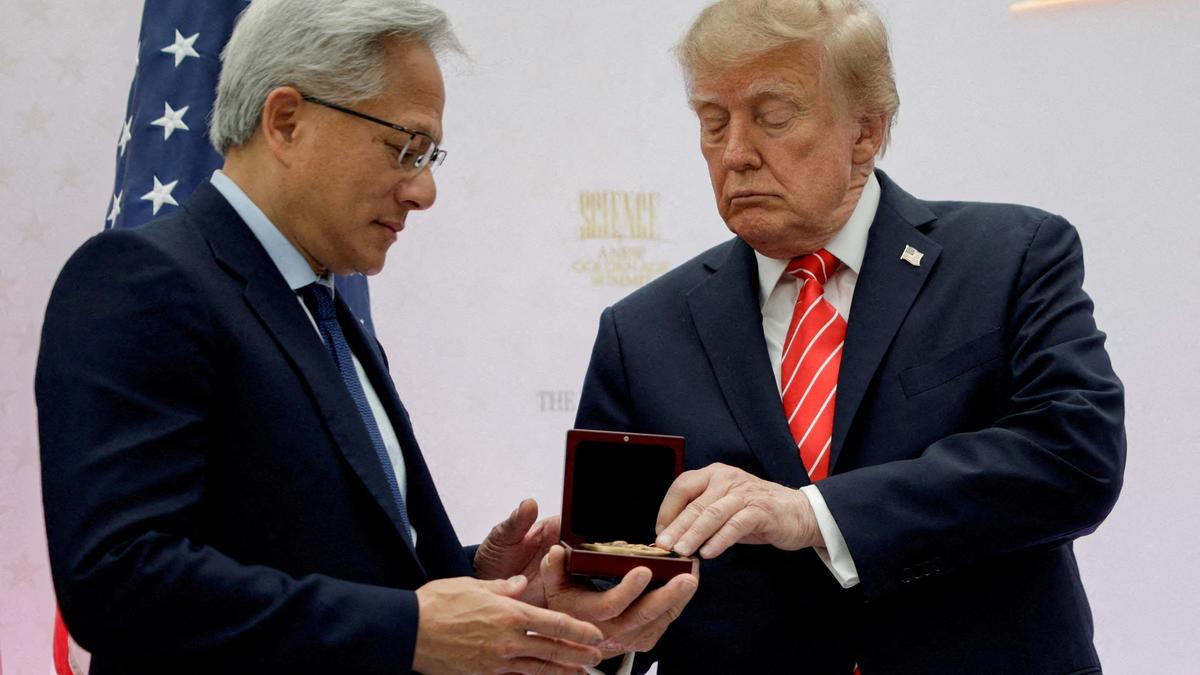
Jensen Huang, the 63-year-old co-founder and chief executive officer of Nvidia, has admitted to having an extramarital affair, a personal revelation that has quickly escalated into a significant national security concern. The woman involved is identified as Alice Huang, an executive at Megaspeed, a Singapore-based artificial intelligence infrastructure company. U.S. officials believe that Alice Huang, who is a Chinese citizen and unrelated to Jensen Huang, is a spy working for the Chinese Ministry of State Security. This admission marks a stark departure from the typically low-profile demeanor of the tech leader, contrasting sharply with the more public controversies surrounding figures like Sam Altman or Elon Musk.
The $7.5 Billion Chip Pipeline
According to an investigation by The Information, the relationship between the two executives was instrumental in facilitating massive imports of Nvidia’s most advanced hardware into China. Over the course of a three-year relationship, Alice Huang is alleged to have helped secure more than $7.5 billion in Nvidia AI GPU imports. This includes approximately 240,000 banned chips, predominantly H100 and H200 systems, which are subject to strict U.S. export controls. These chips are essential for accelerating AI development and are highly sought after by Chinese entities despite government restrictions on their sale to Chinese actors.
Megaspeed Under Scrutiny
The central corporate entity in this controversy is Megaspeed, which had reportedly purchased $4.8 billion in Nvidia chips over the last two years. The firm has been under intense scrutiny from both U.S. and Singaporean authorities. Previous investigations have accused Megaspeed of illegally sharing chips with China, with prior estimates suggesting the firm may have smuggled $2 billion worth of Nvidia hardware. The investigation by The Information describes a labyrinth of companies centered around Shanghai Century Litong and connected to Megaspeed, suggesting a complex network designed to circumvent export bans.
National Security Implications
The potential involvement of a suspected Chinese spy in securing critical technology underscores the high stakes of the ongoing U.S.-China technological arms race. Nvidia is a pivotal player in this competition, as its chips are vital for both economic future and military prowess. The U.S. government has imposed restrictions on the sale of its most powerful chips to Chinese entities to maintain a strategic advantage. The alleged actions of Alice Huang, if confirmed, would represent a significant breach of these security protocols, potentially impacting national security and the balance of power in AI infrastructure development.
Global Reactions and Next Steps
While specific regulatory responses are still unfolding, the admission by Jensen Huang has drawn global attention. The U.S. and Singapore have both previously investigated Megaspeed, indicating a long-standing concern over the firm’s activities. The situation highlights the challenges faced by American tech companies in navigating the geopolitical tensions with China. As the controversy unfolds, it raises questions about the effectiveness of current export controls and the vulnerabilities in the supply chain of critical AI hardware. The full extent of the impact on Nvidia’s business and its relationships with international partners remains to be seen, but the incident has undoubtedly added a new layer of complexity to the already tense technological rivalry between the two superpowers.
Key takeaways
- Jensen Huang admitted to an affair with Alice Huang, a Megaspeed executive suspected of being a Chinese spy.
- The relationship allegedly facilitated $7.5 billion in Nvidia AI GPU imports, including 240,000 banned chips.
- Megaspeed has faced prior investigations for smuggling $2 billion worth of Nvidia chips to China.
- The incident highlights the critical role of Nvidia in the U.S.-China technological arms race.
- U.S. officials view the affair as a potential national security breach due to Alice Huang’s suspected role in the Chinese Ministry of State Security.
Sources
The WireByte editorial team synthesises technology news from multiple primary sources, verifies the facts, and links every source. Articles are produced with AI assistance and reviewed under our editorial policy.