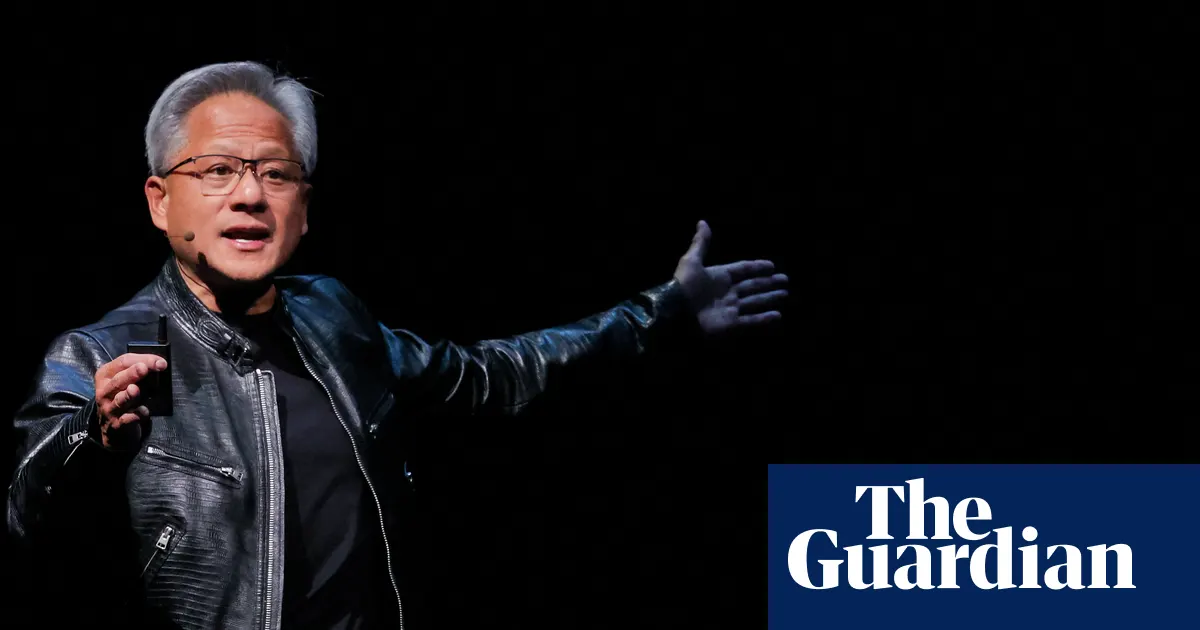
Nvidia Board Rejects Jensen Huang's Return as Revenue Doubles
Nvidia’s board unanimously rejected CEO Jensen Huang’s offer to return, citing personal conduct violations. Interim CEO Colette Kress reported Q3 revenue of $115.8bn, doubling year-over-year. Despite the leadership turmoil and stock volatility, financial results beat expectations, though a minority of directors reportedly support Huang’s reinstatement.
Key points
- Nvidia chairman Harvey Jones confirmed the board unanimously accepted Jensen Huang’s resignation and will not reinstate him as CEO.
- Huang resigned on November 12 after disclosing personal behavior that violated the company’s code of conduct and cultural norms.
- Interim CEO Colette Kress reported Q3 revenue of $115.8bn, a 103% increase from the previous year, beating analyst estimates.
- Data center revenue rose 110% to $107.6bn, with net income reaching $65.3bn for the quarter ending October 25.
- A faction of three board members is reportedly pushing for Huang’s return, contradicting the majority decision.
- Nvidia’s stock dropped over 10% following the scandal but recovered 5% in after-hours trading after the earnings report.
Leadership Turmoil and Board Decision
Nvidia’s board of directors has formally rejected an offer by former CEO Jensen Huang to return to his position, marking a definitive end to his tenure amid a severe corporate scandal. During the company’s first quarterly earnings call since Huang’s departure, Board Chair Harvey Jones stated that the board unanimously accepted Huang’s resignation and does not intend to reinstate him. Jones clarified that Huang had voluntarily resigned on November 12 following the disclosure of personal behavior that was inconsistent with Nvidia’s code of conduct, standards, and cultural norms. The board emphasized that the decision was made deliberately in the best interest of employees, customers, partners, and shareholders.
Financial Performance Amidst Crisis
Despite the leadership upheaval, Nvidia reported robust financial results for the third quarter ending October 25. Interim CEO and CFO Colette Kress presented the figures, announcing that revenue doubled to $115.8bn, a 103% increase from the same period last year. This figure significantly surpassed Wall Street’s consensus estimates of $109.15bn in revenue and $2.47 earnings per share. Net income reached $65.3bn, with earnings per share coming in at $2.68. Kress described the quarter as outstanding, attributing the success to the relentless innovation of the company’s workforce and sustained momentum in the artificial intelligence sector.
Data Center Growth and Future Outlook
The primary driver of Nvidia’s financial success remains its data center business, which saw revenue rise 110% to $107.6bn. This growth underscores the continued global demand for high-performance computing components essential for AI development. Looking ahead, Nvidia provided a forecast for the current quarter, expecting approximately $130bn in revenue. This projection accounts for an additional week in the quarter and assumes no sales of data center compute products in China. The company’s valuation, which had hit an all-time high of nearly $6tn in October, has fluctuated significantly, dropping to $3.7tn following the scandal before recovering slightly in after-hours trading.
Internal Dissent and External Reactions
While the majority of the board stands by the decision to oust Huang, reports indicate internal disagreement. Semafor cited sources suggesting that a faction of three board members is pushing for Huang’s reinstatement. Huang had reportedly spoken with at least one director before the financial results were released, expressing his willingness to return if asked. However, the board maintained that the resignation was final. Nvidia’s stock initially tumbled more than 10% following the news of Huang’s departure, shedding hundreds of billions in market value. The subsequent earnings report helped stabilize investor sentiment, with shares rising 5% in after-hours trading.
Ongoing Investigation and Search for Successor
Nvidia is currently searching for a permanent CEO to replace Huang, with Kress serving in an interim capacity. The company has not disclosed the specific details of the personal behavior that led to the resignation, nor did it answer questions regarding the internal investigation during the earnings call. The scandal involved allegations of multiple extramarital affairs, including reports of an affair with a suspected Chinese spy and relationships with employees. These revelations have sparked broader discussions about corporate governance and cultural norms within major technology firms. As Nvidia continues to dominate the AI chip market, the leadership transition remains a critical focus for investors and industry observers.
Key takeaways
- Nvidia’s board unanimously rejected Jensen Huang’s offer to return as CEO, citing violations of company conduct standards.
- Interim CEO Colette Kress reported Q3 revenue of $115.8bn, doubling year-over-year and beating analyst expectations.
- Data center revenue surged 110% to $107.6bn, highlighting sustained demand for AI computing infrastructure.
- A minority faction of three board members reportedly supports Huang’s reinstatement, contradicting the majority decision.
- Nvidia’s stock volatility reflects investor uncertainty, though shares recovered 5% following the strong financial results.
- The company forecasts $130bn in revenue for the current quarter, assuming no data center sales in China.
Sources
The WireByte editorial team synthesises technology news from multiple primary sources, verifies the facts, and links every source. Articles are produced with AI assistance and reviewed under our editorial policy.