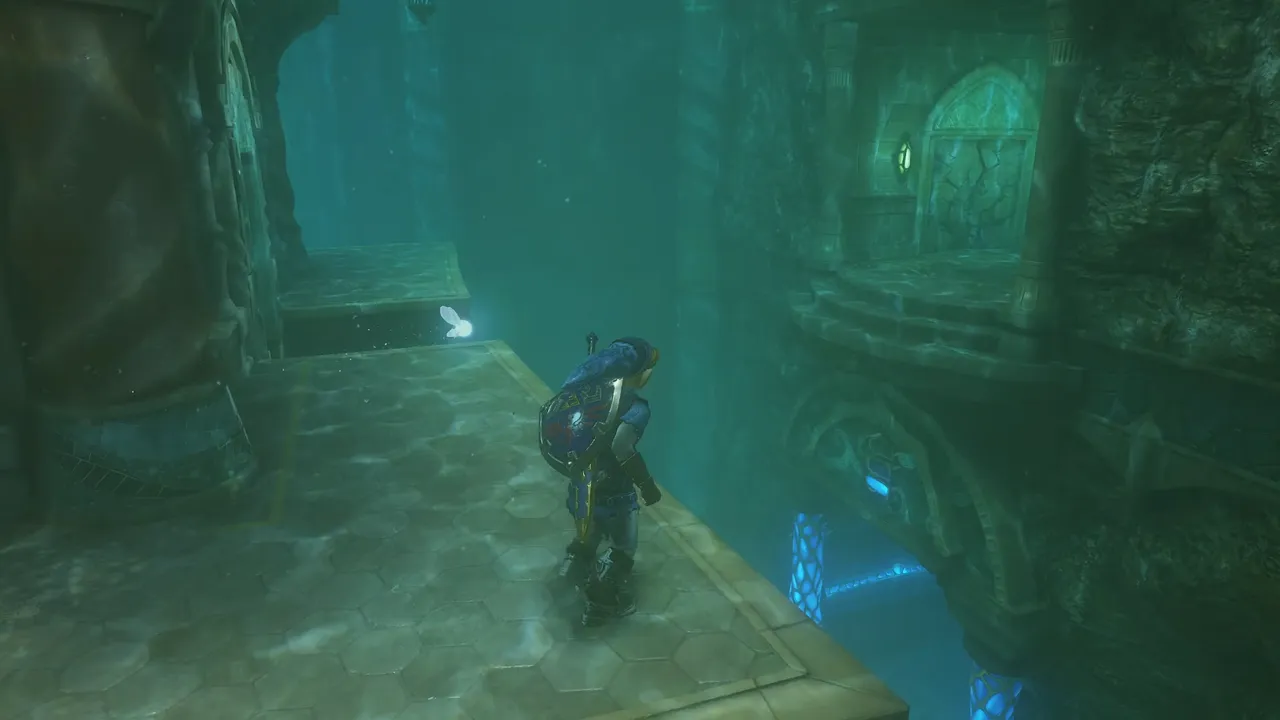
Nintendo Reworks Ocarina of Time's Water Temple in Remake
Nintendo has confirmed significant adjustments to the Water Temple in the upcoming Legend of Zelda: Ocarina of Time remake. Producer Eiji Aonuma described the changes as "overdue homework" to address the dungeon's notorious difficulty. The team retained original mechanics but improved playability through intuitive layout tweaks, aiming to reduce player frustration while preserving the classic experience.
Key points
- Eiji Aonuma, the original producer of The Legend of Zelda: Ocarina of Time, led the redesign of the Water Temple dungeon in the upcoming remake.
- Aonuma characterized the updates as "overdue homework" for the notoriously difficult area created 28 years ago in the 1998 Nintendo 64 classic.
- Developer HokWai Ng stated that while core mechanisms remain, the layout was adjusted to help players intuitively determine directions without explicit handholding.
- The changes aim to resolve long-standing player complaints regarding the dungeon's complex puzzle-solving and lack of guidance in the original 1998 release.
- Nintendo confirmed these adjustments are part of a broader effort to improve playability while retaining the authentic dungeon experience for modern audiences.
Addressing a 28-Year-Old Legacy
Nintendo has officially announced that the Water Temple, widely regarded as the most challenging and controversial section of The Legend of Zelda: Ocarina of Time, will undergo significant reworkings in the upcoming remake. The revelation came through an interview with the development team, highlighting the studio's commitment to refining one of gaming's most infamous hurdles. For decades, players have debated the design of this specific dungeon, with many citing it as a primary source of frustration in an otherwise celebrated title.
Eiji Aonuma, the longtime producer who originally designed the dungeon, addressed the changes directly. In a candid moment, he described the task as "overdue homework" for the Water Temple he created 28 years ago. Aonuma acknowledged the dungeon's reputation for extreme difficulty and confirmed that the development team was instructed to make specific adjustments in this new version. His involvement ensures that the changes remain faithful to the original vision while addressing the structural issues that have plagued players since the game's initial release.
Balancing Tradition and Playability
The development team, including Production Group No.3’s HokWai Ng, emphasized that the core mechanics of the dungeon remain intact. The goal was not to simplify the puzzles themselves but to improve the overall playability and flow. Ng explained that objects and environmental cues were repositioned to help players intuitively figure out which direction to go. This subtle shift in layout allows the game to guide players more effectively without resorting to explicit handholding, a common criticism of the original design.
Players who revisit the game may notice slight differences in the layout compared to the 1998 Nintendo 64 original. These changes are designed to reduce the confusion associated with the water levels and locked doors that defined the original experience. By adjusting the placement of key items and environmental markers, Nintendo aims to create a more seamless experience that respects the complexity of the original puzzle design while removing the arbitrary barriers that often led to player stagnation.
The Cultural Impact of the Water Temple
The Water Temple has become a cultural touchstone in gaming history, often cited as an example of design choices that prioritized complexity over clarity. Its reputation for being bewildering and frustrating has persisted for nearly three decades, influencing how modern games approach dungeon design. By addressing these issues, Nintendo is not only improving a specific section of Ocarina of Time but also acknowledging the community's long-standing feedback.
The remake is expected to retain the essence of the original game while updating it for contemporary standards. This approach aligns with Nintendo's broader strategy of preserving the integrity of its classic titles while making them more accessible. The changes to the Water Temple serve as a case study in how legacy games can be refined without losing their identity.
What Comes Next
As the release of the remake approaches, the gaming community anticipates how these changes will affect the overall experience. While some purists may prefer the original challenge, the majority of players have welcomed the potential for a smoother journey through Hyrule. The adjustments to the Water Temple are just one part of the broader updates being made to the game, which aim to honor the past while embracing the future of gaming.
Key takeaways
- Eiji Aonuma led the redesign of the Water Temple, calling it overdue homework for the 1998 dungeon.
- Developer HokWai Ng confirmed that core mechanics remain, but layout tweaks improve intuitive navigation.
- The changes aim to reduce frustration from the original's complex puzzle-solving and lack of guidance.
- Nintendo retained the dungeon's identity while addressing decades of player criticism regarding difficulty.
- The remake balances respect for the original design with modern playability standards.
Sources
The WireByte editorial team synthesises technology news from multiple primary sources, verifies the facts, and links every source. Articles are produced with AI assistance and reviewed under our editorial policy.