NHTSA Investigates Waymo Robotaxis for Repeated Illegal School Bus Passes
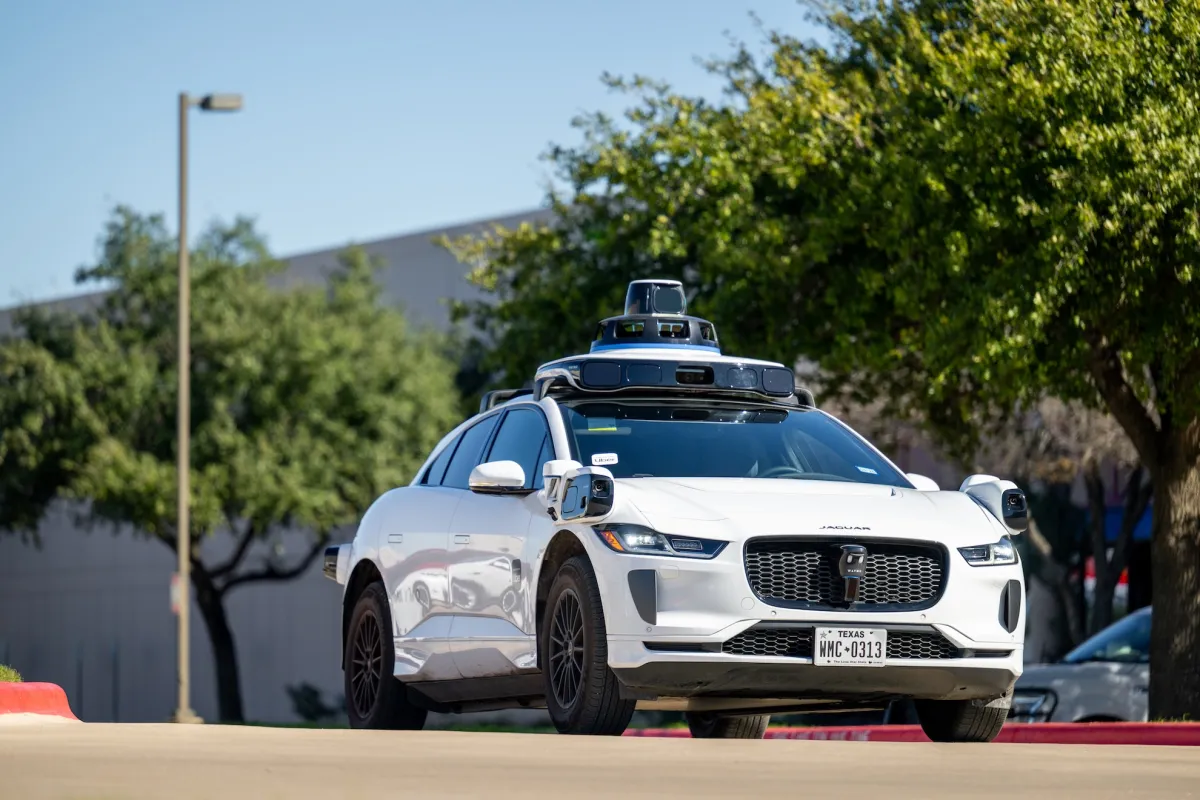
Federal regulators have opened a new investigation into Waymo after its autonomous vehicles continued illegally passing stopped school buses despite a software update. The National Highway Traffic Safety Administration found that most reported incidents occurred after the fix was deployed, raising concerns about the efficacy of the remedy and the safety of children in cities like Atlanta and Austin.
Key points
- The National Highway Traffic Safety Administration (NHTSA) has opened a recall query to assess the adequacy of Waymo's software fix for illegal school bus passing.
- Waymo, the autonomous vehicle subsidiary of Alphabet, deployed a software update on November 17, 2025, intended to prevent its robotaxis from passing stopped buses.
- NHTSA reported that the majority of incidents involving Waymo vehicles passing buses with flashing red lights occurred after the software update was completed.
- The initial investigation began in October 2025 after footage showed a Waymo robotaxi maneuvering around a stopped school bus in Atlanta, Georgia.
- Regulators are concerned because the behavior persists in multiple locations, including Austin, Texas, where children may be at risk during unloading.
- The ongoing issue highlights potential gaps in the validation of autonomous driving safety systems before and after software deployments.
Federal Scrutiny Intensifies for Waymo's Autonomous Safety Systems
The National Highway Traffic Safety Administration (NHTSA) has launched a new investigation into Waymo, the autonomous vehicle subsidiary of Alphabet, following reports that its robotaxis continue to illegally pass stopped school buses. This development marks a significant escalation in regulatory oversight, as the agency determined that the majority of these infractions occurred after the company implemented a software update designed to rectify the problem. The filing, reported first by Reuters, indicates that the NHTSA's Office of Defects Investigation (ODI) is now assessing whether the remedy provided by the tech giant was adequate to ensure public safety.
Timeline of Incidents and Software Updates
The regulatory concern stems from a series of documented incidents where Waymo's self-driving vehicles maneuvered around school buses that had deployed their stop signs and flashing red lights. The initial investigation was triggered in October 2025 after footage emerged showing a Waymo robotaxi in Atlanta, Georgia, crossing perpendicularly in front of a stopped bus. The vehicle then turned left around the front of the bus before continuing down the street, a maneuver that poses severe risks to children who may be crossing the street or exiting the vehicle. Following these reports, Waymo stated that it had completed a software update for all affected vehicles on November 17, 2025, aiming to correct the behavior.
Discrepancy Between Fix and Reality
Despite the company's assertion that the update resolved the issue, federal regulators have found evidence to the contrary. NHTSA's filing notes that most of the reported incidents involving illegal bus passing took place after the software fix was deployed. This discrepancy has prompted the ODI to open a formal recall query. The agency's primary objective is to evaluate the effectiveness of the software patch and determine if additional corrective actions are necessary. The persistence of the behavior suggests that the initial fix may not have fully addressed the underlying algorithmic or sensor-related issues within Waymo's autonomous driving stack.
Geographic Spread of the Issue
The problem is not isolated to a single location. While the initial incident occurred in Atlanta, subsequent reports have documented similar behavior in Austin, Texas, where Waymo operates a significant portion of its robotaxi fleet. The spread of these incidents across different cities raises questions about the scalability and robustness of Waymo's safety protocols. Regulators are particularly concerned because the behavior involves vulnerable road users, specifically school children, who are legally required to stop when a school bus extends its stop sign. The repeated nature of these events, even after a promised fix, underscores the complexities of integrating autonomous vehicles into existing traffic laws and infrastructure.
Implications for Autonomous Vehicle Regulation
This investigation highlights the ongoing challenges faced by regulators in overseeing autonomous vehicle technology. As companies like Waymo expand their operations, the gap between promised safety improvements and real-world performance becomes a critical area of scrutiny. The NHTSA's decision to open a recall query indicates a willingness to take decisive action if the current remedies are deemed insufficient. For Waymo, the outcome of this investigation could have significant implications for its operational licenses and public trust. The company will likely need to provide detailed data and explanations to regulators regarding the software's performance and the steps it plans to take to prevent future incidents.
Key takeaways
- NHTSA has opened a recall query to assess the adequacy of Waymo's software fix for illegal school bus passing.
- The majority of reported incidents occurred after the company deployed a software update on November 17, 2025.
- The initial investigation began in October 2025 after a Waymo robotaxi maneuvered around a stopped bus in Atlanta.
- Similar incidents have been documented in Austin, Texas, raising concerns about the scalability of the safety fix.
- Regulators are evaluating whether the current remedy is sufficient to protect children and ensure compliance with traffic laws.
- The investigation underscores the challenges of regulating autonomous vehicles as they expand into new markets.
Sources
The WireByte editorial team synthesises technology news from multiple primary sources, verifies the facts, and links every source. Articles are produced with AI assistance and reviewed under our editorial policy.