NASA Seeks Commercial Help to Save Hubble from 2033 Re-entry
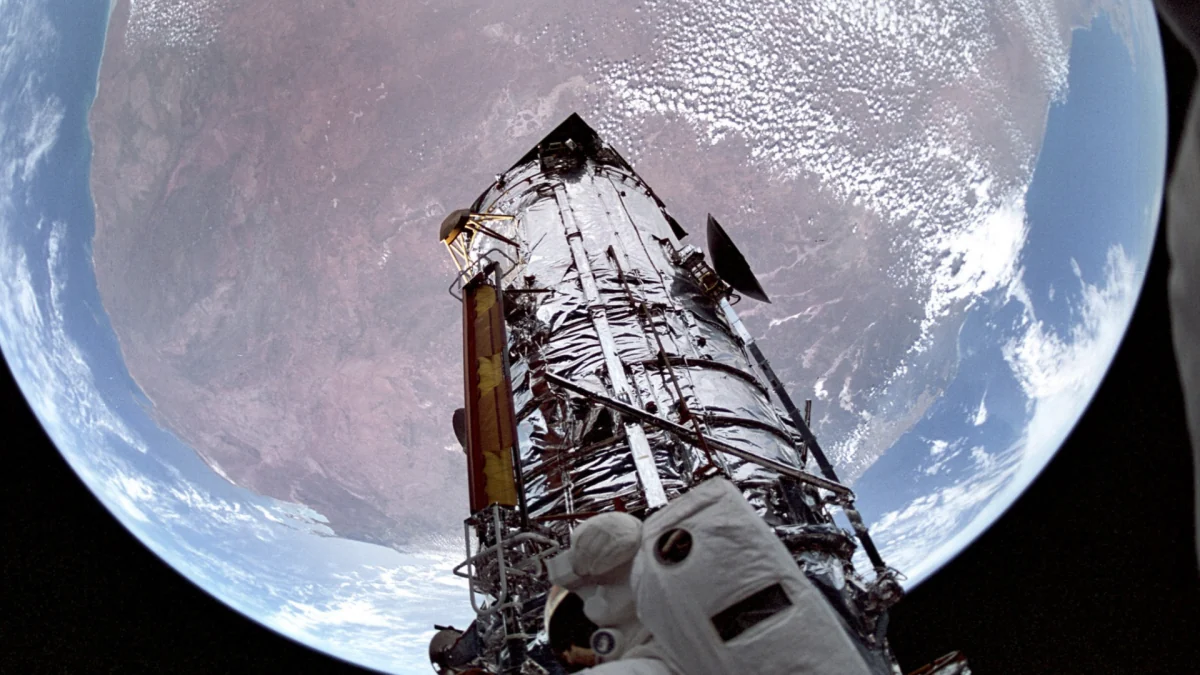
NASA has issued a Request for Information to the commercial space industry, seeking proposals to extend the Hubble Space Telescope’s operational life or ensure its safe deorbit. Gravity is slowly pulling the telescope toward a 2033-2034 atmospheric re-entry. A successful boost would require raising its orbit by over 370 miles, a significant technical challenge that private firms may now address.
Key points
- NASA Administrator Jared Isaacman and officials are soliciting private sector proposals to extend Hubble's lifespan or manage its descent.
- Without intervention, Hubble is projected to re-enter Earth's atmosphere between 2033 and 2034 due to orbital decay.
- A successful orbital boost would require raising the telescope's altitude by more than 370 miles (600 kilometers).
- The Request for Information (RFI) remains open to industry submissions until November 30th at 3 PM ET.
- Commercial space companies are being asked to provide innovative, cost-effective solutions for either an ascent or a controlled safe crash site.
Hubble Faces Orbital Decay Crisis
The Hubble Space Telescope, a cornerstone of astronomical observation for over three decades, is facing an imminent end to its mission due to natural orbital decay. According to NASA, gravity is slowly but steadily dragging the iconic instrument closer to Earth. Without a significant intervention to boost its altitude, Hubble is expected to re-enter the atmosphere and crash down sometime in the early to mid-2030s, specifically between 2033 and 2034. This trajectory poses not only the loss of a critical scientific asset but also potential risks during its descent, as the telescope could fall unpredictably.
Commercial Industry Solicited for Solutions
In response to this challenge, NASA has turned to the rapidly growing commercial space sector for assistance. Administrator Jared Isaacman emphasized the agency's commitment to preserving the telescope's scientific output. In a statement on the NASA website, Isaacman noted that Hubble still holds important science to deliver and that the agency must explore every reasonable opportunity to keep it operational. He argued that extending the life of an asset already in orbit is an obligation to the American taxpayer and the scientific community, promising more discoveries and an expanded understanding of the universe if successful.
Technical Challenges of an Orbital Boost
The primary solution under consideration involves a complex orbital maneuver. Nicky Fox, associate administrator of NASA’s Science Mission Directorate, highlighted the role of the private sector in addressing such difficult engineering problems. A successful boost would require raising Hubble’s orbit by more than 370 miles (600 kilometers). This is described as an astonishingly difficult technical challenge, significantly higher than the telescope's current low-Earth orbit. Historically, such maintenance required Space Shuttle missions, such as the 2002 STS-109 mission, which are no longer available. Consequently, commercial entities must now devise innovative methods to achieve this ascent.
Alternative: Controlled Deorbit
Beyond boosting the orbit, NASA is also open to proposals that ensure a safe deorbit. If an ascent is not feasible, private companies could propose methods to guide Hubble’s descent to a predetermined safe location, such as the middle of the ocean. This alternative aims to mitigate the risks associated with an uncontrolled re-entry, ensuring that debris does not endanger human life or property on the ground. The agency is evaluating all cost-effective ways to extend the telescope's life or manage its end-of-life phase responsibly.
Request for Information Details
NASA has officially opened a Request for Information (RFI) to gather proposals from the commercial space industry. The agency is looking for innovative and cost-effective solutions that can either boost the telescope's altitude or manage its safe disposal. The RFI window is open until November 30th at 3 PM ET. This deadline marks the end of the period during which companies can submit their ideas for consideration. The agency aims to leverage the agility and technological advancements of the private sector to solve a problem that traditional government-led missions have struggled to address in the current budgetary climate.
Significance for Global Science
The potential loss of Hubble represents a significant blow to global astronomy. Since its launch in 1990, the telescope has provided some of the most jaw-dropping images of the solar system and deep space, fundamentally changing our understanding of the cosmos. Extending its life would allow for continued contributions to astrophysics, complementing other observatories like the James Webb Space Telescope. The outcome of this RFI could set a precedent for how future large-scale space assets are maintained or retired, highlighting the increasing role of commercial partners in sustaining critical scientific infrastructure.
Key takeaways
- NASA is seeking private sector proposals to save Hubble from a 2033-2034 re-entry.
- A successful boost requires raising the orbit by over 370 miles (600 kilometers).
- The Request for Information closes on November 30th at 3 PM ET.
- Solutions may include an orbital ascent or a controlled safe crash site.
- The move highlights the growing role of commercial space in maintaining scientific assets.
Sources
The WireByte editorial team synthesises technology news from multiple primary sources, verifies the facts, and links every source. Articles are produced with AI assistance and reviewed under our editorial policy.