Musk Calls Midterm Spending 'Foolish' After GOP Losses
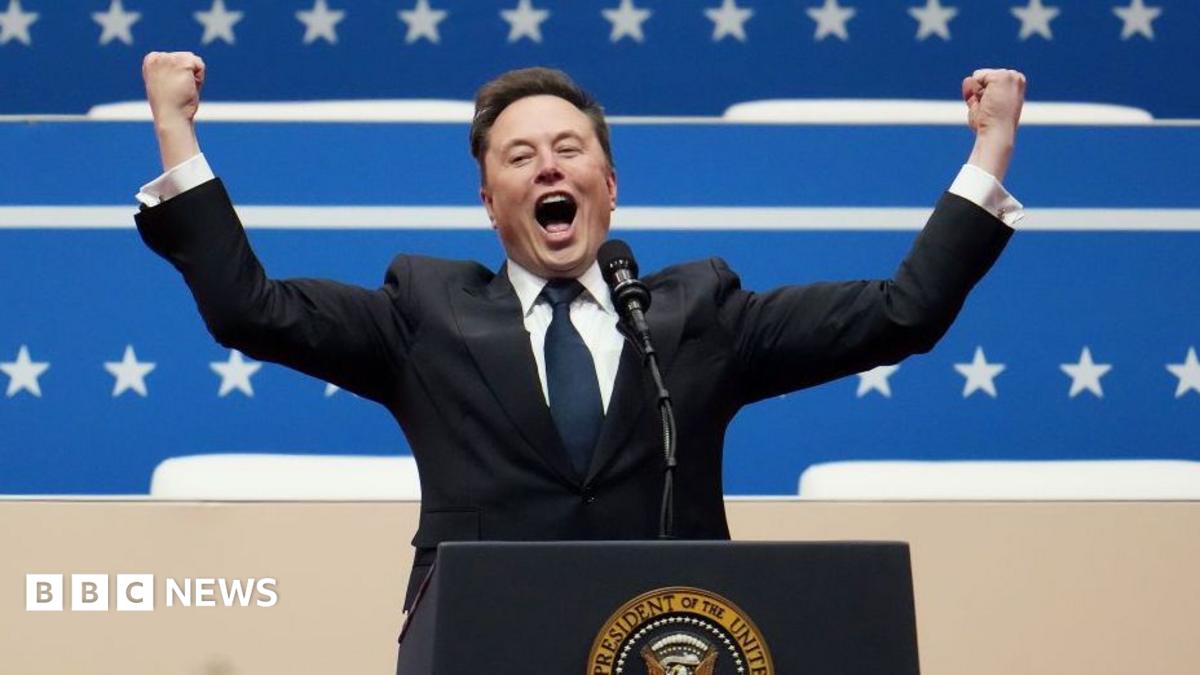
Elon Musk, the top individual donor in the US midterms with $446 million, called his record spending 'pretty foolish' following historic Democratic gains. The Tesla CEO, who previously advised President Trump, distanced himself from the MAGA movement as Republicans suffered sweeping defeats across Congress.
Key points
- Elon Musk, CEO of Tesla and SpaceX, spent $446 million supporting Republican candidates during the US midterm elections.
- Musk described his record-breaking financial contribution as 'pretty foolish' following the election results.
- Democrats achieved historic gains, flipping both chambers of the US Congress and winning key swing seats.
- The Republican losses are viewed as a significant political setback for President Donald Trump.
- Musk stated he is 'not Maga,' distancing himself from the conservative political movement associated with Trump.
- Musk previously served as an unpaid senior advisor to Trump, leading the Department of Government Efficiency.
Musk Regrets Record Election Spending
Elon Musk, the billionaire technology executive and owner of Tesla and SpaceX, has publicly expressed regret over his massive financial involvement in the recent US midterm elections. Speaking virtually at the New York Times DealBook Summit, a prominent gathering of business and political leaders in New York City, Musk characterized his record-breaking expenditure as 'pretty foolish.' This admission comes in the wake of sweeping electoral defeats for the Republican Party, a outcome that has drawn significant scrutiny to the effectiveness of his political contributions.
Musk emerged as the top individual donor in the election cycle, contributing a staggering $446 million to support President Donald Trump’s party. His financial support was heavily concentrated in Texas, a state where many of his major corporate interests are based. Despite this substantial investment aimed at bolstering Republican candidates, the party suffered historic losses, flipping both chambers of the US Congress. Democrats secured control of both the House and the Senate, marking a significant shift in the political landscape and dealing a bruising blow to the Trump administration.
The election results have been interpreted as a direct rebuke of President Trump’s policies, particularly regarding their impact on the cost of living in the United States. The Republican Party faced intense pressure leading up to the vote, with voters expressing dissatisfaction over economic conditions. The loss of congressional control limits the administration's ability to advance its legislative agenda, potentially stalling key policy initiatives and altering the balance of power in Washington for the remainder of the term.
During his remarks at the DealBook Summit, Musk also clarified his political alignment, explicitly stating that he is 'not Maga,' referring to the Make America Great Again movement closely associated with President Trump. He expressed uncertainty about the term's precise meaning but suggested that if it implies 'blind adherence to a set of policies by the Republican Party,' he certainly does not subscribe to that view. This statement highlights a growing distance between Musk and the hardline conservative base that has traditionally supported the Republican ticket.
Musk’s political involvement has been extensive and high-profile. For several months at the start of Trump’s second term, Musk served as an unpaid 'special government employee' and Senior Advisor to the President. In this role, he led the Department of Government Efficiency, known by its acronym DOGE, with a mandate to cut government spending. His tenure in the administration ended in October 2026, but his influence on political discourse and funding remains significant.
Political Fallout and Future Implications
The combination of Musk’s financial support and his subsequent criticism of the election outcome has sparked debate among political analysts and observers. While Musk’s contributions were intended to secure a favorable political environment for his business interests, the results suggest that such spending may not guarantee political success, especially in the face of broader economic discontent. The Democratic gains in swing seats and long-held Republican strongholds indicate a shifting voter sentiment that may challenge traditional political strategies.
As the new Congress prepares to convene, the focus will likely shift to how the Democratic majority will navigate its relationship with the Trump administration. The loss of congressional control for Republicans may force the administration to rely more on executive actions, which could face legal and political challenges. Meanwhile, Musk’s comments about his spending and political affiliations may influence his future interactions with both parties, potentially affecting regulatory decisions and government contracts that impact his companies.
The broader implications of this election extend beyond immediate political power dynamics. The results may signal a changing attitude among voters towards high-profile donors and their influence on elections. As the political landscape evolves, the role of technology leaders in national politics will likely remain a subject of intense scrutiny and debate.
Key takeaways
- Elon Musk spent $446 million on the US midterms, calling the expenditure 'foolish' after the results.
- Democrats flipped both chambers of Congress, delivering a major defeat to President Trump's party.
- Musk distanced himself from the MAGA movement, stating he is 'not Maga' and opposes blind party adherence.
- The election is seen as a significant setback for Trump, driven by voter concerns over the cost of living.
- Musk previously served as a senior advisor to Trump, leading the Department of Government Efficiency.
- The shift in congressional control limits the administration's legislative power and may alter policy directions.
Sources
The WireByte editorial team synthesises technology news from multiple primary sources, verifies the facts, and links every source. Articles are produced with AI assistance and reviewed under our editorial policy.