Moon Phase Update: Waxing Crescent Visible Nov 15, 2026
On November 15, 2026, the Moon is in the Waxing Crescent phase, with 30% of its surface visible according to NASA. Observers can view features like Mare Crisium and Apollo landing sites with telescopes. The next Full Moon is scheduled for November 24, continuing the 29.5-day lunar cycle.
Key points
- The Moon is currently in the Waxing Crescent phase on November 15, 2026, with 30% of its surface illuminated.
- NASA's Daily Moon Guide identifies visible features including Mare Crisium, Mare Fecunditatis, and Endymion Crater.
- Telescopic observation reveals additional details such as Posidonius Crater, Mare Nectaris, and Apollo 11 and 17 landing spots.
- The lunar cycle lasts approximately 29.5 days, progressing through eight distinct phases from New Moon to Full Moon.
- The next Full Moon is expected to occur on November 24, 2026.
Lunar Visibility on November 15, 2026
As of Sunday, November 15, 2026, skywatchers around the world are presented with a distinct view of the night sky. The Moon has entered the Waxing Crescent phase, a stage in its orbit where the illuminated portion of the lunar surface is gradually increasing. According to data from NASA's Daily Moon Guide, approximately 30% of the Moon's surface is currently visible to the naked eye. This phase marks a period of increasing brightness as the Moon moves away from the New Moon position and toward the First Quarter.
For casual observers without optical aids, the Waxing Crescent offers a clear silhouette against the darkening sky. Specific lunar features are distinguishable even at this low illumination level. The Mare Crisium, a large dark basaltic plain on the eastern limb, and the Mare Fecunditatis, the Sea of Fertility, are among the prominent dark regions visible. These maria, or ancient lava plains, provide contrast that helps define the Moon's shape even when only a fraction of the disk is lit.
Telescopic Details and Historical Sites
For enthusiasts equipped with binoculars or telescopes, the Waxing Crescent phase on November 15 offers a detailed look at lunar topography. The angle of sunlight hitting the terminator, the line dividing the lit and dark sides, creates long shadows that highlight surface relief. Observers can identify the Endymion Crater, a large impact basin located near the eastern limb. Additionally, the Posidonius Crater and the Mare Nectaris, or Sea of Nectar, become more apparent with magnification.
Advanced observers with high-powered telescopes can attempt to locate historical landmarks from the Apollo program. The landing sites of Apollo 11 and Apollo 17 are visible on the lunar surface during this phase. These sites remain significant points of interest for astronomers and historians alike, representing key moments in human space exploration. The visibility of these features underscores the enduring interest in the Moon as both a scientific target and a cultural symbol.
The Lunar Cycle Context
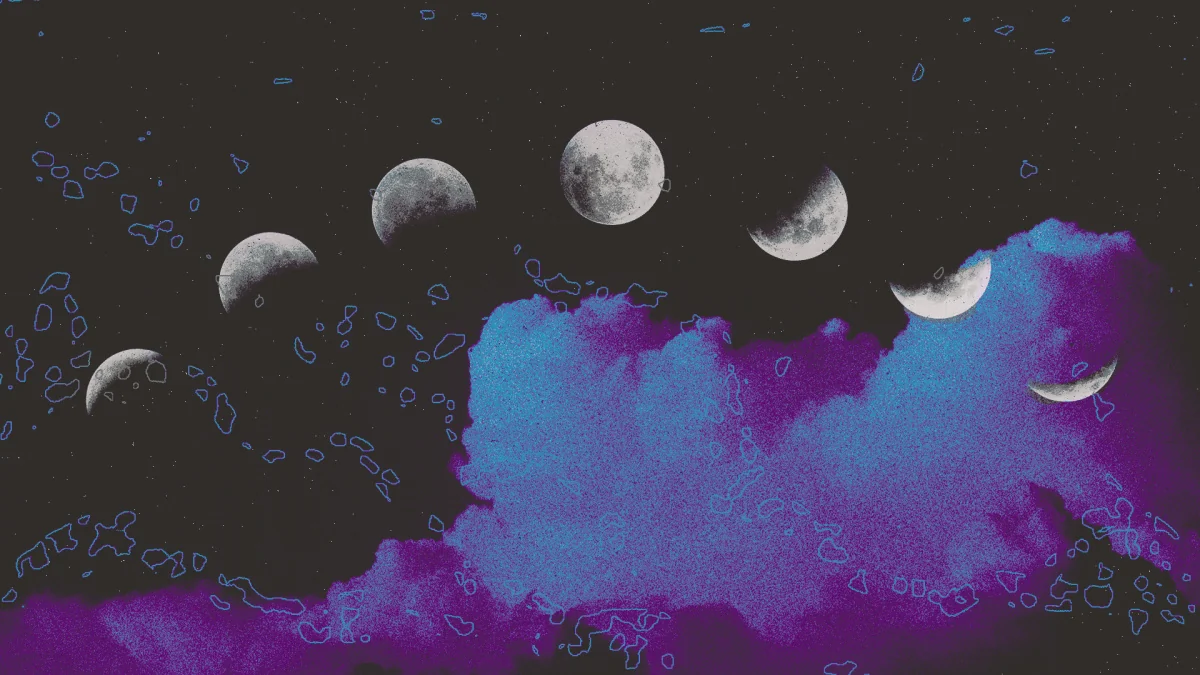
The current phase is part of a continuous cycle that lasts approximately 29.5 days. This period, known as a synodic month, is the time it takes for the Moon to return to the same phase, such as from one New Moon to the next. As the Moon orbits Earth, the changing angle of sunlight reflecting off its surface creates the eight recognized phases: New Moon, Waxing Crescent, First Quarter, Waxing Gibbous, Full Moon, Waning Gibbous, Last Quarter, and Waning Crescent.
The Waxing Crescent phase specifically occurs after the New Moon, when a small sliver of light appears on the right side of the Moon in the Northern Hemisphere. This is followed by the First Quarter, where half of the Moon is lit, and the Waxing Gibbous, where more than half is illuminated but it is not yet full. The cycle culminates in the Full Moon, when the entire face of the Moon is illuminated as seen from Earth.
Upcoming Lunar Events
Looking ahead, the next major lunar event is the Full Moon, which is scheduled to take place on November 24, 2026. This date marks the midpoint of the current lunar cycle, where the Moon will be fully illuminated and opposite the Sun in the sky. The period between November 15 and November 24 will see the Moon transition through the First Quarter and Waxing Gibbous phases, providing continuous opportunities for observation.
Key takeaways
- The Moon is in the Waxing Crescent phase on November 15, 2026, with 30% visibility.
- NASA data confirms the current phase and highlights visible features like Mare Crisium.
- Telescopes reveal detailed craters and Apollo 11 and 17 landing sites.
- The lunar cycle lasts 29.5 days, progressing through eight distinct phases.
- The next Full Moon is expected on November 24, 2026.
Sources
The WireByte editorial team synthesises technology news from multiple primary sources, verifies the facts, and links every source. Articles are produced with AI assistance and reviewed under our editorial policy.