Moon in Waxing Crescent Phase on November 14, 2026
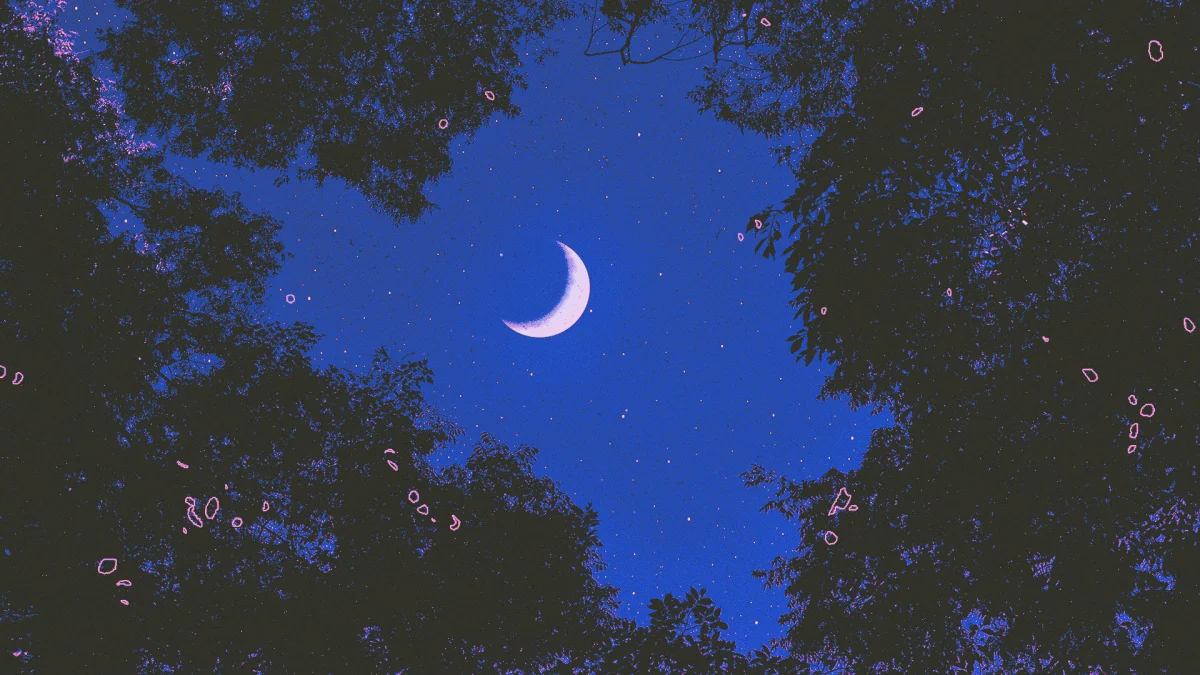
On November 14, 2026, the Moon is in the Waxing Crescent phase, with 22% of its surface visible. This daily illumination increase precedes the First Quarter. The next Full Moon is scheduled for November 24. Observers can view specific lunar features like Mare Crisium with optical aids.
Key points
- The Moon is currently in the Waxing Crescent phase on November 14, 2026, with 22% of its surface illuminated.
- NASA's Daily Moon Guide tracker confirms the current visibility and progression toward the First Quarter phase.
- Specific surface features such as the Mare Crisium and Mare Fecunditatis are visible to the naked eye tonight.
- Optical instruments like binoculars or telescopes will reveal the Endymion Crater on the lunar surface.
- The next Full Moon is scheduled to occur on November 24, following the standard 29.5-day lunar cycle.
Current Lunar Status
As of Saturday, November 14, 2026, the Moon is actively progressing through its Waxing Crescent phase. According to NASA's Daily Moon Guide tracker, 22% of the lunar surface is currently visible from Earth. This phase indicates that the illuminated portion of the Moon is expanding each evening as the satellite continues its orbit around the planet. The Waxing Crescent is characterized by a small sliver of light appearing on the right side of the Moon when viewed from the Northern Hemisphere. This daily increase in visibility marks the period between the New Moon and the First Quarter phase.
Visible Surface Features
Observers with clear skies on November 14 can identify specific geological features on the Moon's surface without magnification. The Mare Crisium and the Mare Fecunditatis are visible to the naked eye during this phase. These lunar maria, or ancient volcanic plains, stand out against the darker background of the illuminated crescent. For those seeking more detail, optical aids such as binoculars or telescopes will reveal additional structures. The Endymion Crater is a notable feature that becomes apparent with magnification. These observations provide a practical opportunity for amateur astronomers to track the Moon's changing appearance.
Upcoming Lunar Phases
The current Waxing Crescent phase is a precursor to the First Quarter, where half of the Moon will be lit on the right side. Following the First Quarter, the Moon will enter the Waxing Gibbous phase, where more than half is illuminated but it is not yet full. The next significant milestone is the Full Moon, which is scheduled to take place on November 24, 2026. This date marks the point in the lunar cycle where the entire face of the Moon is illuminated as seen from Earth. The progression from the current 22% illumination to a full disk involves a steady increase in visible surface area over the next ten days.
The Lunar Cycle Context
The Moon takes approximately 29.5 days to complete one full cycle of phases. This period, known as a synodic month, is driven by the Moon's orbit around Earth and the changing angles of sunlight reflecting off its surface. The cycle begins with the New Moon, where the Moon is positioned between Earth and the sun, rendering the side facing Earth dark and invisible. It then progresses through the Waxing Crescent, First Quarter, Waxing Gibbous, and Full Moon phases. After the Full Moon, the cycle reverses with the Waning phases, returning to the New Moon. This predictable pattern allows for accurate tracking of lunar visibility and illumination percentages.
Key takeaways
- The Moon is in the Waxing Crescent phase on November 14, 2026, with 22% visibility.
- NASA's tracker confirms the current phase and the increasing illumination toward the First Quarter.
- Mare Crisium and Mare Fecunditatis are visible to the naked eye, while Endymion Crater requires optics.
- The next Full Moon is scheduled for November 24, 2026, ending the current waxing sequence.
- The lunar cycle lasts approximately 29.5 days, dictating the regular pattern of visible illumination.
Sources
The WireByte editorial team synthesises technology news from multiple primary sources, verifies the facts, and links every source. Articles are produced with AI assistance and reviewed under our editorial policy.