Moon Enters Waning Crescent Phase on Nov 2, 2026
On November 2, 2026, the Moon is in its Waning Crescent phase with 45% illumination, according to NASA. Visible features include Tycho and Kepler Craters. The next Full Moon occurs on November 24. This lunar cycle continues its 29.5-day orbit, transitioning toward the New Moon.
Key points
- NASA reports the Moon is in the Waning Crescent phase on November 2, 2026, with 45% of its surface illuminated.
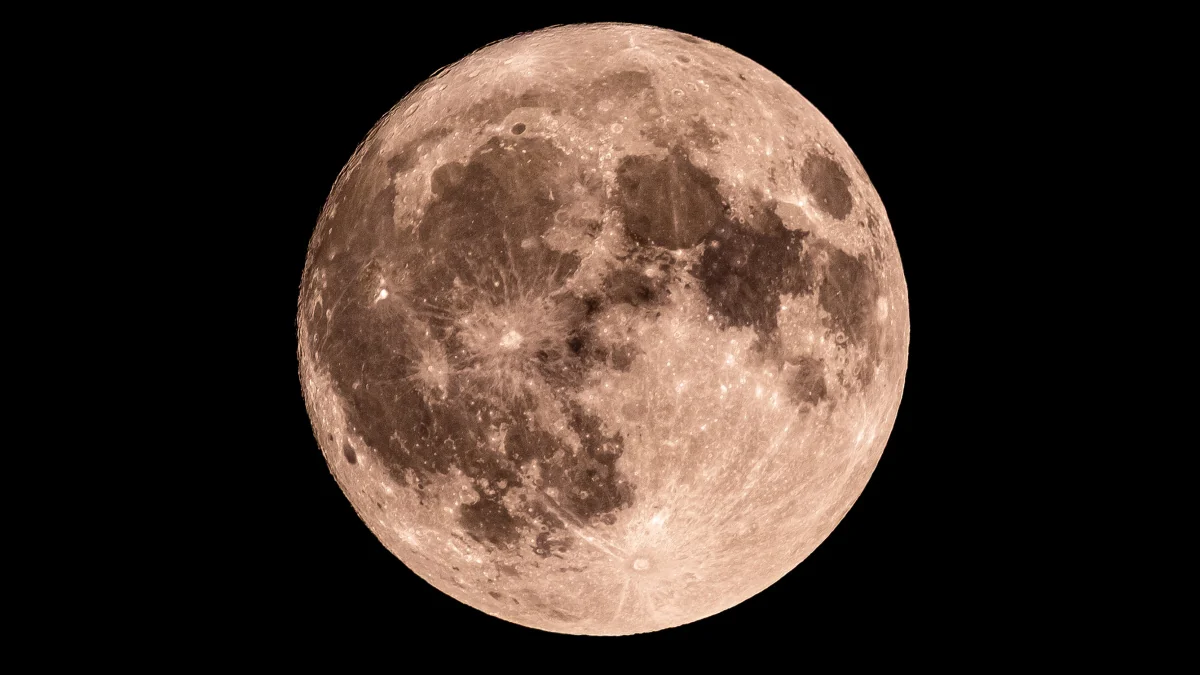
- Observers can view Tycho Crater, Kepler Crater, and Mare Imbrium with the naked eye, while binoculars reveal Alphonsus and Clavius Craters.
- Telescopic viewing allows identification of the Apollo 12 landing site, Reiner Gamma, and Schiller Crater.
- The lunar cycle lasts approximately 29.5 days, progressing through eight distinct phases from New Moon to Full Moon.
- The next Full Moon is scheduled for November 24, 2026, marking the midpoint of the current cycle.
Lunar Status on November 2, 2026
As of Monday, November 2, 2026, the Moon has entered the Waning Crescent phase. According to NASA's Daily Moon Guide tracker, approximately 45% of the lunar surface is currently visible from Earth. This phase indicates that the illuminated portion of the Moon is decreasing as it moves closer to the New Moon stage. The Waning Crescent is characterized by less than half of the Moon's surface being lit, a condition that persists until the cycle completes.
Visible Features and Observation Tips
For skywatchers without optical aids, the naked eye can detect specific lunar features tonight. The Tycho Crater, the Kepler Crater, and the Mare Imbrium are visible to the unassisted observer. These landmarks provide key reference points for identifying the Moon's orientation in the night sky. The visibility of these features is a standard occurrence during this phase of the lunar orbit.
Enhanced viewing is possible with simple optical instruments. Binoculars allow observers to see additional details, including the Alphonsus Crater, the Clavius Crater, and the Grimaldi Basin. These features become more distinct as the lighting conditions change. For those with access to telescopes, the resolution increases significantly. Telescopic observation reveals the Apollo 12 landing spot, the Reiner Gamma albedo feature, and the Schiller Crater. These specific locations offer historical and geological interest to amateur astronomers and space enthusiasts.
The Lunar Cycle Context
The Moon's appearance changes due to its orbital mechanics. The satellite takes approximately 29.5 days to complete one orbit around Earth. During this period, the relative positions of the Earth, Moon, and Sun alter the amount of the Moon's illuminated surface that is visible from Earth. This geometric relationship creates the familiar sequence of phases, including crescents, quarter moons, and the Full Moon. Once the cycle is complete, the pattern repeats, as explained by NASA.
The eight phases of the Moon are defined by these positional changes. The cycle begins with the New Moon, where the Moon is positioned between Earth and the Sun. In this configuration, the side of the Moon facing Earth is dark and invisible to the eye. As the Moon moves in its orbit, a small sliver of light appears on the right side in the Northern Hemisphere, marking the Waxing Crescent phase. This is followed by the First Quarter, where half of the Moon is lit on the right side. The sequence continues through the Full Moon and back to the New Moon.
Upcoming Lunar Events
The current Waning Crescent phase is a transitional period leading toward the New Moon. Following this phase, the Moon will continue to decrease in illumination until it is completely dark. After the New Moon, the illuminated portion will begin to increase, starting with the Waxing Crescent. The next significant event in this cycle is the Full Moon, which is scheduled to take place on November 24, 2026. This date marks the point where the entire face of the Moon visible from Earth will be illuminated by the Sun.
Global Relevance
Lunar phases are a universal astronomical phenomenon, relevant to global audiences regardless of location. While the specific visibility of features like the Tycho Crater depends on local weather and light pollution, the timing of the phases is consistent worldwide. The 29.5-day cycle is a fundamental aspect of Earth's natural satellite, influencing tides and cultural traditions across different societies. The precise tracking of these phases, as provided by NASA, ensures accurate predictions for astronomical events and observational planning.
Key takeaways
- The Moon is in the Waning Crescent phase on November 2, 2026, with 45% illumination.
- Naked-eye observers can see Tycho, Kepler Craters, and Mare Imbrium.
- Binoculars reveal Alphonsus, Clavius Craters, and Grimaldi Basin.
- Telescopes show the Apollo 12 site, Reiner Gamma, and Schiller Crater.
- The lunar cycle lasts 29.5 days and includes eight distinct phases.
- The next Full Moon occurs on November 24, 2026.
Sources
The WireByte editorial team synthesises technology news from multiple primary sources, verifies the facts, and links every source. Articles are produced with AI assistance and reviewed under our editorial policy.