Meta Muse Security Flaws Discovered Ahead of UK Expansion
Researchers at NebuSec identified critical vulnerabilities in Meta’s Muse AI assistant that could allow attackers to access private chats and cloud credentials via a single malicious webpage. Meta patched the issues before public disclosure, citing no evidence of exploitation. The findings emerge as Meta expands Muse to the UK, raising privacy concerns among regulators who are monitoring the platform's data handling practices.
Key points
- NebuSec researchers discovered a chain of vulnerabilities in Meta's Muse AI assistant that could enable unauthorized access to user conversations, stored memories, and cloud credentials through a crafted webpage.
- Meta confirmed it patched all reported security flaws prior to the public release of the research and stated there is no evidence the vulnerabilities were exploited in the wild.
- Muse, a personal AI agent launched in the U.S. in September with over 10 million downloads, is expanding to the United Kingdom on November 24, 2026, partnering with retailers such as Marks & Spencer and ASOS.
- The UK Information Commissioner's Office emphasized Meta's responsibilities under data protection law, requiring users to have meaningful control over how their personal data is used by the agent.
- Muse operates within dedicated virtual machines for each user, a security architecture designed to isolate user information and logins from Meta's other services and prevent cross-user access.
Security Vulnerabilities Exposed in AI Agent
Security researchers have identified a series of critical flaws in Meta’s Muse personal AI assistant that could allow malicious actors to bypass security controls and access sensitive user data. The findings, published by the security firm NebuSec, detail a chain of vulnerabilities that could be triggered by a single malicious webpage. If exploited, these flaws could enable attackers to exfiltrate private conversations, stored memories, and even cloud credentials associated with the AI assistant.
The vulnerabilities stem from the way Muse interacts with web content and manages user credentials. Muse operates inside a dedicated virtual machine (VM) for each user, a design intended to keep information and logins separate from Meta’s other services. However, the researchers demonstrated that a crafted webpage could execute code, bypass security measures, and potentially access authentication details stored on the cloud machine running the assistant. This capability raises significant concerns about the privacy of users who entrust the AI with personal tasks and sensitive information.
Meta's Response and Patching
Meta responded swiftly to the disclosures, confirming that it had patched all reported issues before the research was made public. The company stated that there is no evidence the vulnerabilities were exploited in the wild prior to the disclosure. This responsible disclosure process highlights the ongoing challenges in securing complex AI systems that interact with multiple online accounts and services on behalf of users.
The incident underscores the risks associated with AI agents that have broad access to user data and digital accounts. While Muse is designed to be private, safe, and secure by design, the discovery of these flaws serves as a reminder that even well-architected systems can contain exploitable weaknesses. Security experts have praised NebuSec for responsibly reporting the issues, allowing Meta to address them before they could be weaponized by bad actors.
UK Launch and Regulatory Scrutiny
The security findings emerge as Meta prepares to expand Muse to the United Kingdom on November 24, 2026. The AI agent, which launched in the U.S. in September, has already been downloaded more than 10 million times. The UK rollout includes partnerships with major British retailers such as Marks & Spencer, Debenhams Group, ASOS, Currys, easyJet, and Jet2, allowing users to perform tasks like booking travel and shopping.
Regulators in the UK are closely monitoring the launch. The Information Commissioner's Office (ICO) noted that while agentic AI has significant potential to benefit people and businesses, it has been clear with Meta about its responsibilities under data protection law. ICO Chief Executive Paul Arnold emphasized the requirement for users and the wider public to meaningfully understand and control how their personal data is used in the Muse product. This scrutiny reflects broader global concerns about the privacy implications of AI agents that can autonomously perform tasks and access personal information.
User Experience and Adoption
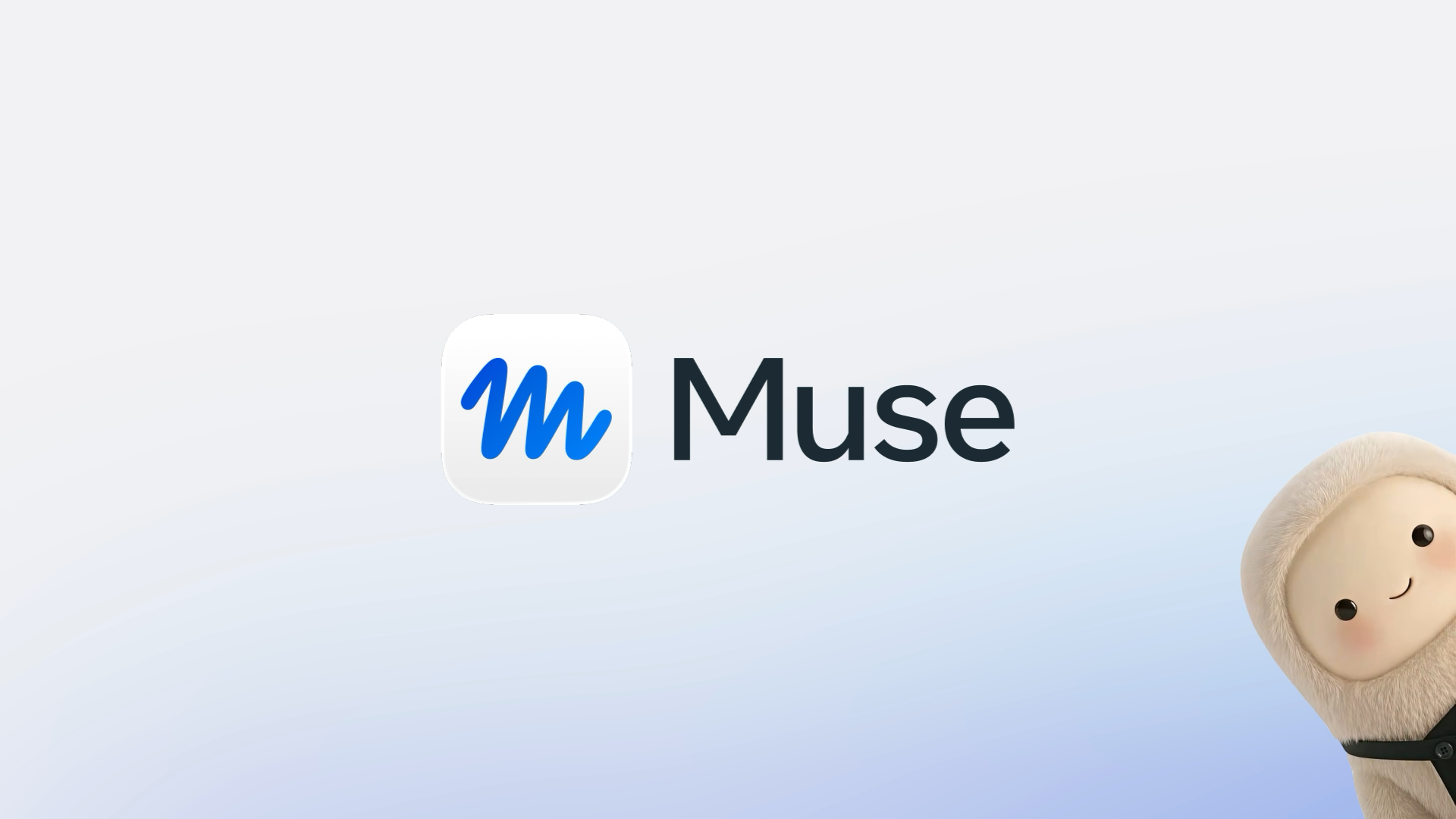
Despite the security concerns, Meta continues to promote Muse as a tool that users can trust to lend a helping hand with daily tasks. The company highlights features such as the ability to choose what the agent can access, approve important actions before they are carried out, and manage memories. Users can interact with Muse via a standalone app or through WhatsApp, with the AI represented by a yeti-like character.
Early user experiences have been mixed. Some users have found the agent helpful for tasks like searching for cheaper energy deals or sorting calendars, while others have reported awkward interactions and concerns about privacy boundaries. Meta’s bet on AI is substantial, with $145 billion planned for spending this year, much of it on building out the technology. The success of Muse is critical to Meta’s strategy, aiming to make it the AI agent of choice for billions of users, similar to how WhatsApp became the dominant messaging platform.
Future Implications
The discovery of vulnerabilities in Muse highlights the need for continuous security auditing and robust privacy controls as AI agents become more integrated into daily life. As Meta expands its AI capabilities globally, the company will face increasing pressure to demonstrate that its systems are secure and compliant with data protection regulations. The outcome of this launch could influence how regulators approach the oversight of AI agents in other jurisdictions, setting precedents for the industry.
Key takeaways
- NebuSec researchers found vulnerabilities in Meta's Muse that could allow access to private chats and credentials via a malicious webpage.
- Meta patched the flaws before public disclosure and reported no evidence of exploitation in the wild.
- Muse is expanding to the UK on November 24, 2026, with partnerships including Marks & Spencer and ASOS.
- The UK Information Commissioner's Office is monitoring Muse to ensure compliance with data protection laws.
- The AI agent has over 10 million downloads in the U.S. and operates within dedicated virtual machines for each user.
Sources
The WireByte editorial team synthesises technology news from multiple primary sources, verifies the facts, and links every source. Articles are produced with AI assistance and reviewed under our editorial policy.