Low-Cost Hack Unlocks Bricked Lenovo ThinkPads, Reducing E-Waste
A viral tutorial demonstrates how to bypass BIOS locks on discarded Lenovo ThinkPads using a $10 hardware programmer. This method allows technicians to revive seemingly broken devices, offering a sustainable alternative to electronic waste disposal. The technique highlights a growing trend of extending hardware lifespans through accessible repair solutions.
Key points
- Hileeq, a tech content creator, released a tutorial on reviving Lenovo ThinkPads with severe BIOS restrictions.
- The repair method utilizes a $10 CH341A programmer and a second functioning computer to flash new firmware.
- The process targets devices listed as broken on marketplaces like eBay due to locked or corrupted BIOS chips.
- The technique provides a low-cost alternative to professional repair services, making device recovery accessible to hobbyists.
- This development supports global efforts to reduce electronic waste by extending the usable life of older business laptops.
Reviving Discarded Hardware
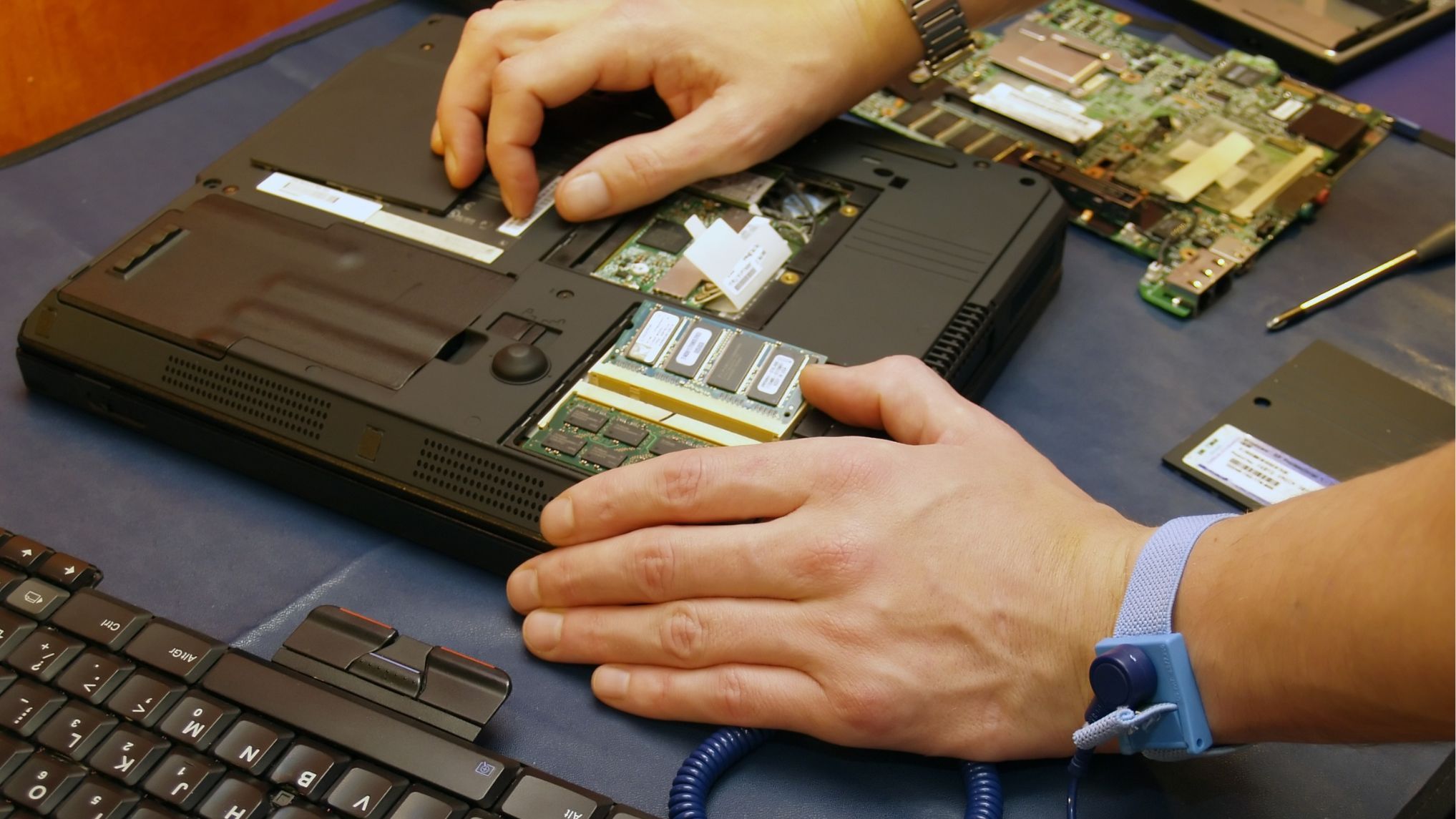
A recent viral video by tech enthusiast Hileeq has introduced a straightforward method for rescuing Lenovo ThinkPads that are typically deemed irreparable. The devices in question often suffer from severe BIOS locks or corrupted firmware, rendering them useless for standard users and destined for electronic waste landfills. By sharing this niche technique with a broad audience, Hileeq has brought attention to a previously obscure repair practice that could significantly impact the lifecycle of business-class laptops.
The $10 Solution
The core of the repair process relies on inexpensive, widely available hardware. The tutorial specifies the use of a CH341A programmer, a small device that costs approximately $10. This tool connects to the laptop's BIOS chip, allowing technicians to read, modify, and rewrite the firmware directly. The procedure requires a second functioning computer to act as the host for the programming software, making the setup accessible to anyone with basic technical knowledge and a spare PC or laptop.
Targeting the Broken Market
Many Lenovo ThinkPads enter the secondary market through platforms like eBay with descriptions indicating they are broken due to BIOS issues. These devices often command low prices because most buyers lack the tools or expertise to fix them. The new tutorial empowers a wider range of users to purchase these discounted units, knowing they have a viable path to restoration. This shifts the dynamic of the used laptop market, turning what was once trash into a recoverable asset.
Democratizing Repair
Historically, BIOS repair was a specialized skill reserved for professional technicians with access to expensive equipment. Hileeq’s step-by-step guide demystifies the process, encouraging a DIY approach to hardware repair. This aligns with the broader right-to-repair movement, which advocates for consumer ability to fix their own devices. By lowering the barrier to entry, the tutorial fosters a community of hobbyists who can extend the life of technology rather than contributing to the growing problem of e-waste.
Environmental Impact
The implications of this repair method extend beyond individual savings. Electronic waste is a critical global environmental challenge, with millions of tons of discarded electronics generated annually. By providing a simple way to revive older business laptops, which are often built with higher durability and longer support cycles than consumer models, this technique offers a sustainable alternative to disposal. It encourages a circular economy where hardware is maintained and reused for as long as possible.
Key takeaways
- Hileeq published a tutorial on reviving Lenovo ThinkPads with BIOS locks using a $10 programmer.
- The CH341A tool allows direct firmware modification when connected to a second computer.
- The method targets devices sold as broken on marketplaces like eBay due to firmware issues.
- This approach democratizes hardware repair, making it accessible to non-professionals.
- The technique supports environmental goals by reducing electronic waste and extending device lifespans.
Sources
The WireByte editorial team synthesises technology news from multiple primary sources, verifies the facts, and links every source. Articles are produced with AI assistance and reviewed under our editorial policy.