Love, Death & Robots: Netflix’s R-Rated Sci-Fi Anthology Gains Cult Status
Netflix’s Love, Death & Robots, a 45-episode sci-fi anthology series, has garnered attention for its ambitious blend of horror, comedy, and diverse animation styles. Evolving from the 1981 cult classic Heavy Metal, the show features R-rated content and cutting-edge visuals. While some episodes are considered middling, the series is celebrated as a unique showcase of animation as a medium.
Key points
- Love, Death & Robots is a Netflix sci-fi anthology series comprising 45 episodes that blend horror, comedy, and science fiction.
- The series evolved from the 1981 cult film Heavy Metal and the associated magazine, which has published explicit genre tales since 1977.
- Filmmakers David Fincher and Tim Miller were instrumental in the project's development, which morphed from a reboot into a distinct series.
- The show is noted for its R-rated content and diverse art styles, ranging from hand-drawn animation to rotoscoping and cutting-edge techniques.
- While some episodes are considered middling, the series is praised as an ambitious and beautiful showcase of animation as a medium.
Origins and Evolution
The landscape of animated science fiction on streaming platforms has been significantly shaped by Netflix’s Love, Death & Robots. This anthology series, comprising 45 episodes, has carved out a distinct identity in the genre, moving beyond the typical boundaries of mainstream animated content. The show’s roots can be traced back to the 1981 cult classic film Heavy Metal, which fused hard rock and metal music with sci-fi and fantasy storytelling. That film was renowned for its rich hand-drawn animation and rotoscoping, produced by a dedicated team of animators. Some of the stories featured in the original film were adapted from Heavy Metal magazine, which has been publishing boundary-pushing genre tales with explicit content since 1977. This lineage provides a foundational context for the modern series, linking contemporary digital animation to a legacy of adult-oriented genre storytelling.
Creative Leadership and Vision
The transition from the original film to the Netflix series involved key figures in the film industry. Filmmakers David Fincher and Tim Miller attempted a reboot of Heavy Metal, but the project eventually morphed into the Netflix sci-fi anthology, Love, Death & Robots. This evolution allowed the series to move beyond a simple reboot, enabling it to develop its own narrative voice and visual style. The involvement of such prominent filmmakers suggests a high level of creative ambition, aiming to elevate the medium of animation to new artistic heights. The series is not merely a collection of short films but a curated showcase of diverse storytelling techniques and visual aesthetics, reflecting the creative freedom afforded by its anthology format.
Artistic Diversity and Animation Techniques
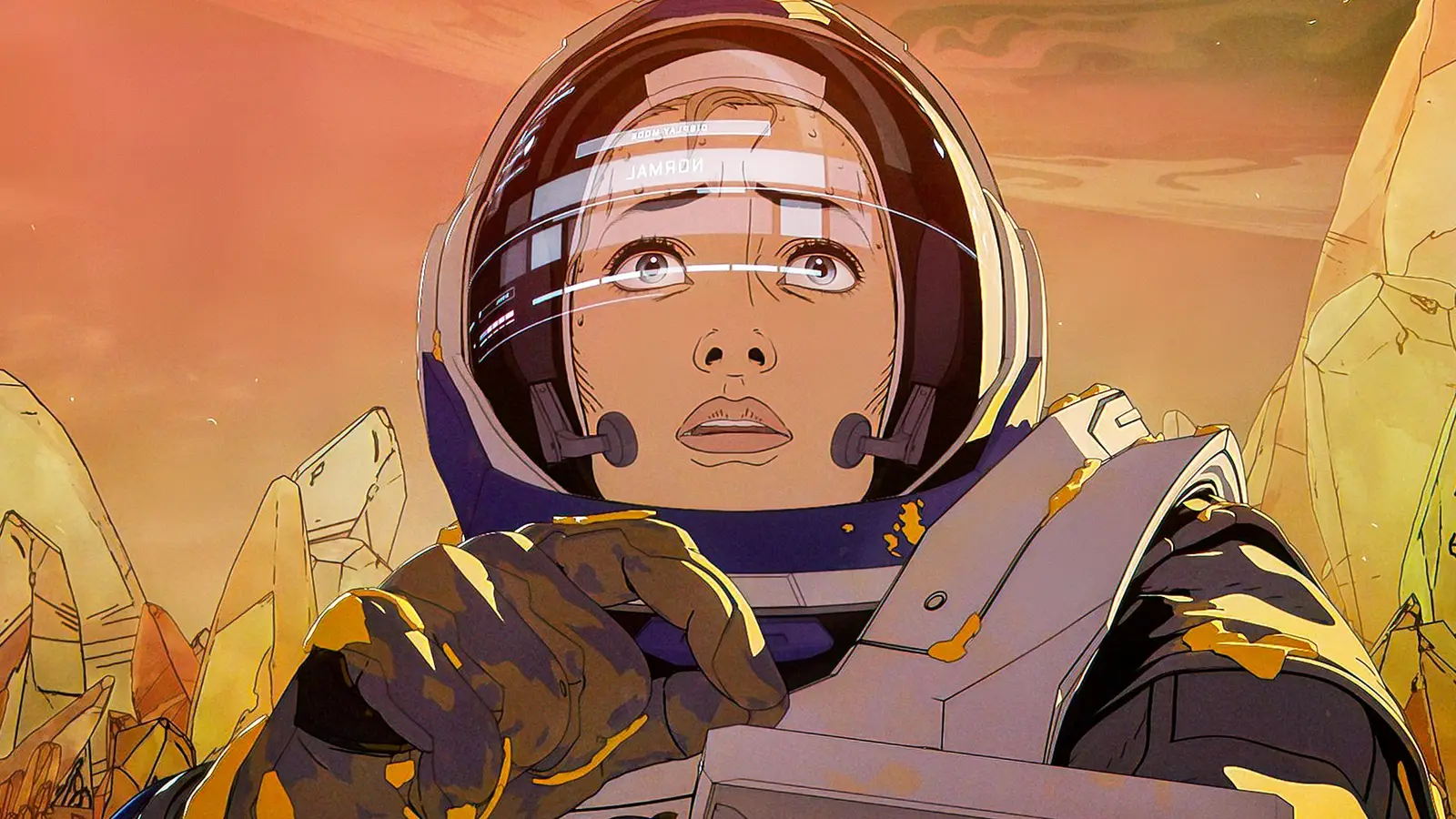
One of the most striking features of Love, Death & Robots is its celebration of animation as a medium. The series blends a variety of art styles, ranging from traditional hand-drawn animation to cutting-edge 3D rendering and rotoscoping. This diversity allows each episode to present a unique visual experience, catering to different tastes and narrative needs. The show’s ability to switch between these styles seamlessly is a testament to the technical skill of the animators involved. While sci-fi is at the heart of these anthology tales, the show incorporates elements from horror and comedy, complementing the bountiful art styles. This eclectic mix ensures that the series remains engaging and unpredictable, offering viewers a wide range of emotional and visual stimuli.
Content and Audience Reception
As an R-rated series, Love, Death & Robots does not shy away from explicit content, distinguishing itself from more family-friendly animated shows. This mature content allows for more complex and nuanced storytelling, addressing themes that might be considered too dark or controversial for other mediums. While anthologies inevitably contain some middling episodes that miss the mark, the overall reception of Love, Death & Robots has been positive. The series is often compared to Netflix’s Black Mirror, another famous sci-fi anthology, but it offers a more hardcore and visually diverse experience. For viewers seeking something beyond the typical sci-fi fare, Love, Death & Robots provides a compelling alternative that challenges conventional narrative structures.
Global Impact and Future Prospects
The success of Love, Death & Robots highlights the growing global appetite for diverse and ambitious animated content. The series has demonstrated that animation can be a powerful medium for telling complex, adult-oriented stories. Its international availability on Netflix has allowed it to reach a wide audience, contributing to the global recognition of animation as a serious artistic form. As the series continues to evolve, it sets a high bar for future animated projects, encouraging other creators to push the boundaries of the medium. The legacy of Heavy Metal lives on in this modern iteration, proving that the fusion of music, art, and storytelling can resonate with contemporary audiences.
Key takeaways
- Love, Death & Robots is a 45-episode Netflix anthology series blending sci-fi, horror, and comedy.
- The series evolved from the 1981 film Heavy Metal and the associated magazine.
- David Fincher and Tim Miller played key roles in the project's development.
- The show features diverse animation styles, from hand-drawn to cutting-edge 3D.
- R-rated content allows for complex, adult-oriented storytelling.
- The series is praised as an ambitious showcase of animation as a medium.
Sources
The WireByte editorial team synthesises technology news from multiple primary sources, verifies the facts, and links every source. Articles are produced with AI assistance and reviewed under our editorial policy.