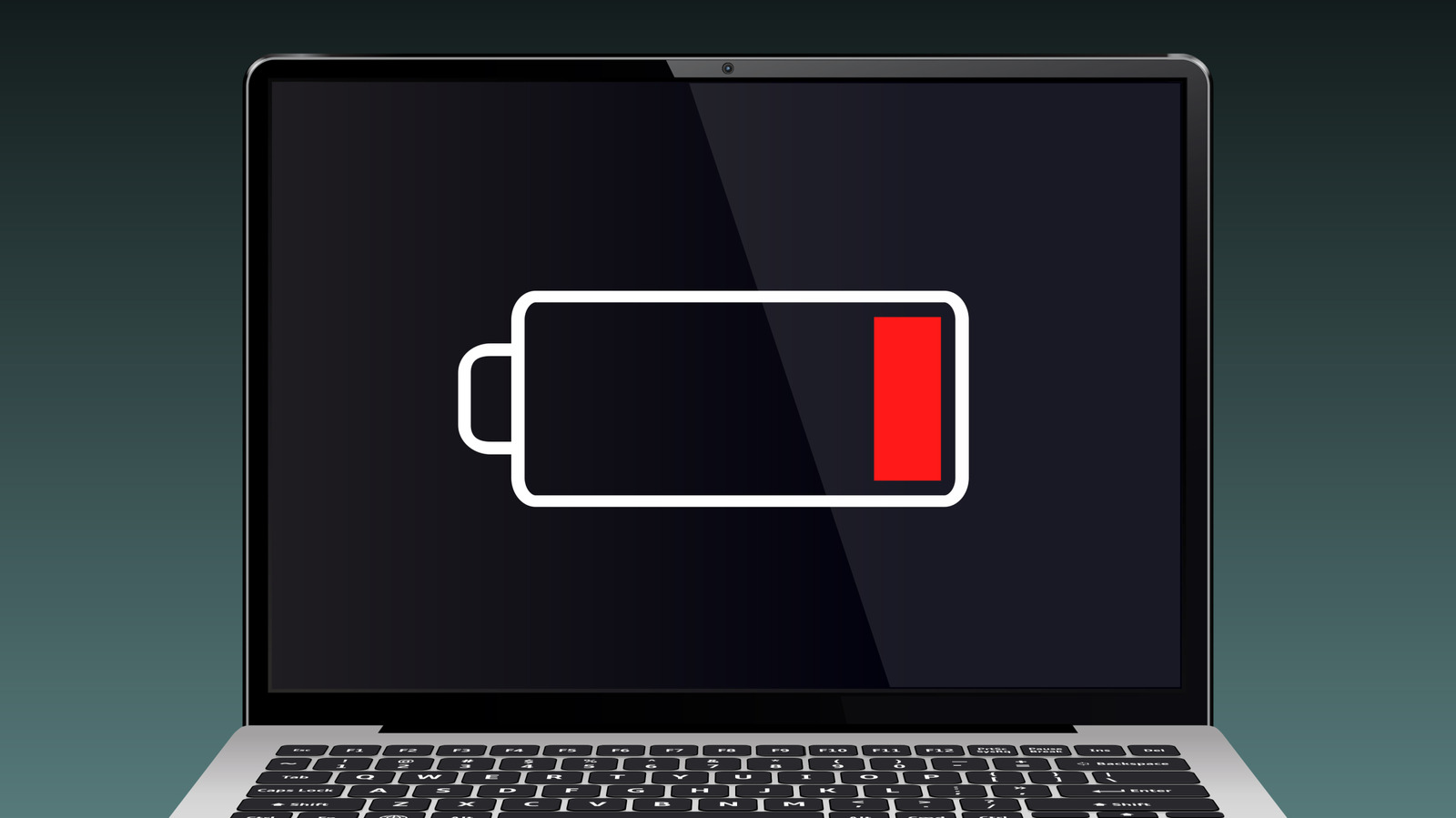
Lithium-ion Battery Degradation and Calibration Issues Explained
Experts warn that fully draining laptop batteries accelerates degradation in lithium-ion cells, recommending a 20-80% charge window for longevity. Meanwhile, sudden smartphone battery drops often stem from software recalibration errors or aging hardware, rather than immediate failure. These insights clarify common misconceptions about battery maintenance and usage patterns across consumer devices.
Key points
- HP and other manufacturers advise keeping lithium-ion laptop batteries between 20% and 80% charge to maximize lifespan, debunking the myth that full drains are beneficial.
- Sudden percentage drops on smartphones are frequently caused by software recalibrating voltage estimates, particularly in aging batteries or after system updates.
- Lithium-ion batteries degrade chemically over time, leading to inaccurate charge readings and faster-than-expected power loss during heavy usage.
- Background apps and recent iOS or Android updates can artificially inflate battery drain rates, causing temporary discrepancies between estimated and actual power levels.
- While occasional full drains are not catastrophic, repeated deep discharges contribute to long-term capacity loss in portable electronic devices.
The Reality of Lithium-Ion Degradation
Consumer electronics rely heavily on lithium-ion batteries, a technology prized for its ability to charge quickly and maintain portability. However, the common practice of allowing devices to run completely dry before recharging is increasingly viewed by manufacturers as detrimental to long-term health. HP, a major laptop producer, explicitly recommends maintaining a charge level between 20% and 80% to extend battery life. This guidance directly contradicts older beliefs that fully draining the battery before recharging was necessary for calibration or longevity. While a single incident of a laptop shutting down unexpectedly due to a dead battery may not cause immediate catastrophic failure, repeated deep discharges accelerate chemical degradation within the cell.
Smartphone Battery Anomalies
Users frequently report frustration when smartphone battery percentages drop suddenly, often without heavy usage. This phenomenon is rarely an indicator of imminent hardware failure. Instead, it is typically a software-related issue where the device estimates remaining charge based on voltage and current. These estimates can become inaccurate over time, particularly in batteries that have aged chemically. When the operating system recalculates the charge level, it may correct the previous estimate, resulting in a sharp, noticeable drop in the displayed percentage. This recalibration process is more common in older devices where the battery's internal resistance has increased.
The Role of Software and Updates
Software plays a significant role in how battery life is perceived and managed. Recent updates to iOS or Android can temporarily alter power consumption patterns, leading to faster-than-usual drain rates. Additionally, applications running in the background can consume significant power without user awareness. Activities such as browsing the web or listening to music generally consume less power, whereas intensive tasks like gaming or photography drain batteries more rapidly. When a device experiences sudden drain, it is often a combination of background processes and software recalibration rather than a physical defect in the battery itself.
Debunking Maintenance Myths
The tech community has long circulated advice regarding battery care, much of which is based on outdated technologies or misconceptions. The notion that users should drain their batteries completely before recharging is a relic of older battery chemistries that suffered from memory effects. Modern lithium-ion batteries do not have this issue. In fact, keeping the battery at extreme charge levels, either very high or very low, places additional stress on the chemical components. Manufacturers suggest that maintaining a moderate charge range reduces this stress, thereby preserving the battery's capacity over a longer period.
Global Implications for Device Longevity
As electronic devices become more integral to daily life, understanding battery behavior is crucial for both consumers and manufacturers. The shift towards recommending partial charging cycles reflects a broader industry focus on sustainability and device longevity. By extending the usable life of batteries, manufacturers can reduce electronic waste and improve the overall user experience. Furthermore, recognizing that sudden battery drops are often software-driven rather than hardware failures can help users avoid unnecessary replacements. This distinction is vital for the global electronics market, where battery performance is a key selling point and a common source of consumer dissatisfaction.
What Happens Next
The consensus among experts and manufacturers is clear: treat lithium-ion batteries with care by avoiding extreme charge states. For laptop users, this means plugging in devices when possible and avoiding the habit of waiting for the battery to die. For smartphone users, sudden percentage drops should be viewed as a calibration issue rather than a sign of impending doom. As software updates continue to refine power management, users can expect more accurate battery readings. However, the physical limitations of aging batteries remain, and eventual replacement will still be necessary. Understanding these dynamics allows users to make informed decisions about device maintenance and usage.
Key takeaways
- HP recommends keeping laptop batteries between 20% and 80% charge to maximize lifespan.
- Sudden smartphone battery drops are often due to software recalibration, not hardware failure.
- Lithium-ion batteries degrade chemically, leading to inaccurate charge estimates over time.
- Background apps and system updates can temporarily increase battery drain rates.
- Fully draining batteries is unnecessary and potentially harmful to modern lithium-ion cells.
Sources
The WireByte editorial team synthesises technology news from multiple primary sources, verifies the facts, and links every source. Articles are produced with AI assistance and reviewed under our editorial policy.