LG, Dyson Warn of Year-Round Indoor Air Pollution Risks in India
LG and Dyson highlight that indoor air pollution in India poses a critical, year-round health threat, not just during winter smog. Outdoor pollutants infiltrate homes and mix with domestic sources like cooking and VOCs. Experts warn this affects children's cognitive development, citing studies linking pollution to lower academic scores in Indian children.
Key points
- LG and Dyson, major consumer durable makers, warn that indoor air pollution is a critical, year-round health threat in India, extending beyond seasonal winter smog.
- An LG spokesperson cited a 2026 Commission for Air Quality Management (CAQM) analysis, noting Delhi’s winter PM2.5 pollution stems from secondary particulates (27%), transport (23%), biomass burning (20%), dust (15%), and industry (9%).
- Outdoor pollutants infiltrate homes through micro-gaps and mix with domestic emissions from cooking, incense, candles, volatile organic compounds (VOCs), and human respiratory particles.
- Dyson engineer Alex Hudson stated that indoor pollution is rarely from a single origin, as daily activities like walking on carpets stir up settled dust into breathing zones.
- A 2021 study in World Development linked higher short-term air pollution exposure among Indian children aged 5–16 to significantly lower reading and mathematics scores.
- The combined effect of outdoor infiltration and indoor sources creates complex toxic environments that impact not only respiratory health but also children's brain development.
The Hidden Threat Inside Homes
As Delhi and other northern Indian cities brace for severe winter smog, consumer durable giants LG and Dyson are drawing attention to a pervasive, year-round health hazard: indoor air pollution. While public discourse often focuses on outdoor smog, spokespeople for these companies argue that the air inside homes presents a critical threat that persists regardless of the season. This indoor environment is not isolated; it is a complex mix of infiltrating outdoor emissions and pollutants generated by daily domestic activities.
Sources of Indoor Contamination
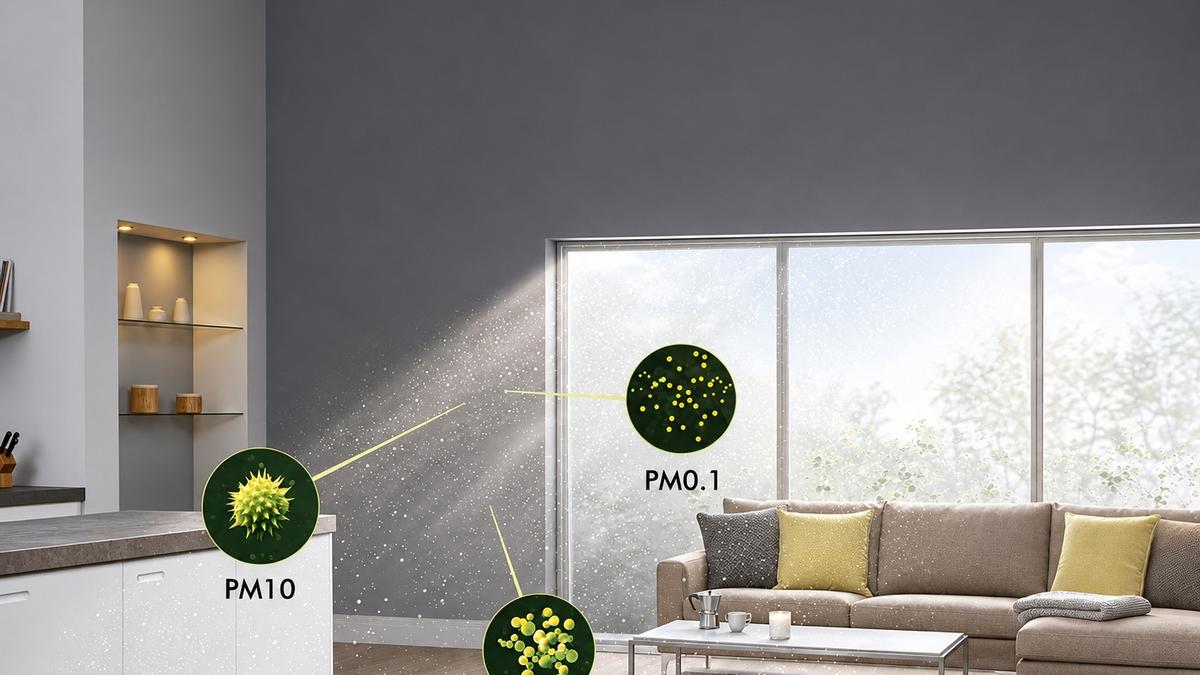
According to an LG spokesperson, closing doors and windows does not render a home airtight. Outdoor pollutants continuously enter through micro-gaps in the structure. Once inside, these external particles combine with emissions from cooking, the burning of incense and candles, volatile organic compounds (VOCs) released from paints and furniture, and human respiratory particles. This combination creates a toxic indoor atmosphere that can be more concentrated and persistent than the air outside.
Data on Delhi's Pollution Mix
To illustrate the complexity of the problem, the LG spokesperson cited a 2026 analysis by the Commission for Air Quality Management (CAQM). The data reveals that Delhi’s winter PM2.5 pollution is driven by multiple sources: secondary particulates account for 27%, transport contributes 23%, biomass burning makes up 20%, dust accounts for 15%, and industry is responsible for 9%. This breakdown highlights that even if outdoor sources were reduced, indoor activities would still contribute significantly to the overall pollution load within living spaces.
Daily Activities Stirring Pollutants
Alex Hudson, an engineer at Dyson, emphasized that indoor air pollution is rarely driven by a single origin. He noted that routine household movements play a significant role in air quality. Activities such as walking on carpets or sitting on sofas can stir up settled dust particles, lifting them directly into the breathing zones of occupants. This constant resuspension of particulates means that indoor air quality fluctuates throughout the day based on human activity, not just external weather conditions.
Impact on Children's Cognitive Development
The health implications of this indoor pollution extend beyond immediate respiratory irritation. The LG spokesperson highlighted alarming evidence regarding the cognitive toll on children’s brain development. A 2021 study published in World Development found a significant correlation between higher short-term air pollution exposure and lower academic performance among Indian children aged 5–16. Specifically, the study linked pollution exposure to significantly lower scores in reading and mathematics, suggesting long-term developmental consequences.
A Year-Round Challenge
The warnings from LG and Dyson underscore that air quality management cannot be limited to winter months. The interplay between outdoor infiltration and indoor generation creates a continuous health risk. As outdoor pollution levels fluctuate, the indoor environment remains a critical area of concern. The combination of external particulates and internal sources like VOCs and dust creates a persistent threat that affects vulnerable populations, particularly children, throughout the year.
Key takeaways
- LG and Dyson warn that indoor air pollution is a critical, year-round health threat in India, not limited to winter smog.
- Outdoor pollutants enter homes through micro-gaps and mix with domestic sources like cooking, incense, and VOCs.
- A 2026 CAQM analysis shows Delhi's PM2.5 pollution comes from secondary particulates (27%), transport (23%), and biomass burning (20%), among others.
- Dyson engineer Alex Hudson notes that daily activities like walking on carpets stir up dust into breathing zones.
- A 2021 study links higher pollution exposure in Indian children aged 5–16 to lower reading and mathematics scores.
- The combined effect of outdoor and indoor sources creates complex toxic environments impacting respiratory and cognitive health.
Sources
The WireByte editorial team synthesises technology news from multiple primary sources, verifies the facts, and links every source. Articles are produced with AI assistance and reviewed under our editorial policy.