LEO Computer 75th Anniversary Celebrated at Cambridge Museum
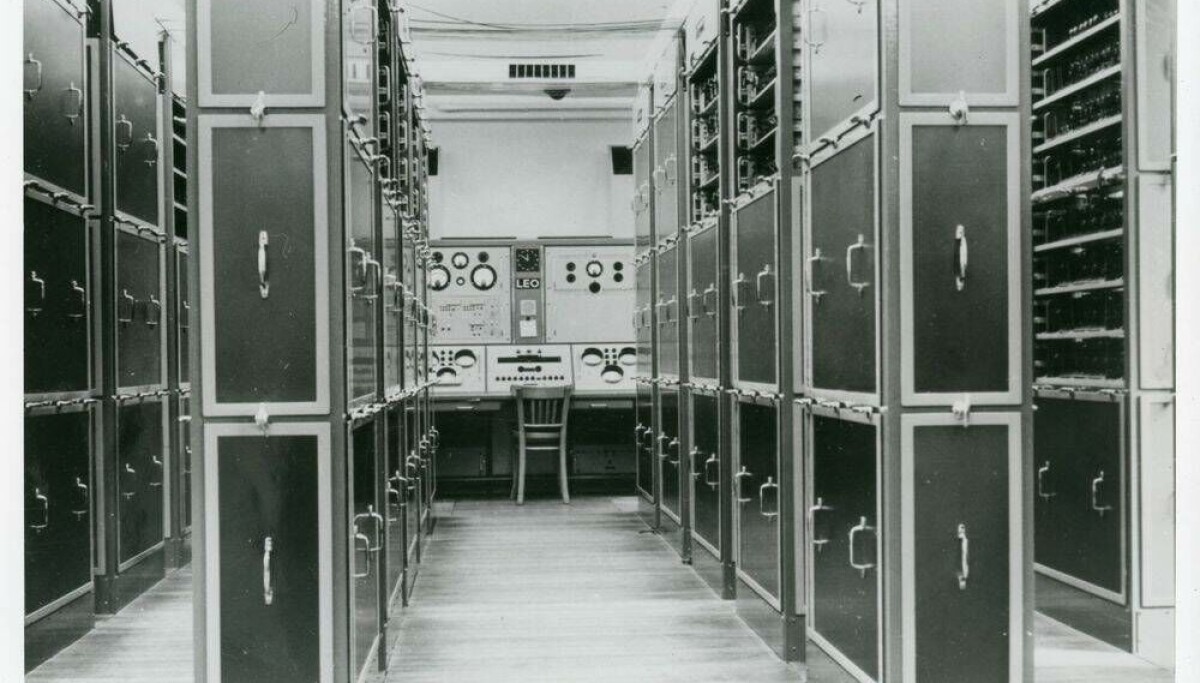
The Centre for Computing History in Cambridge is hosting a LEO@75 event on November 28 to mark the 75th anniversary of the Lyons Electronic Office. This celebration honors the machine that pioneered business computing, featuring historical displays, film screenings, and coding activities for children, highlighting the origins of modern commercial technology.
Key points
- The Centre for Computing History in Cambridge is hosting the LEO@75 event on November 28 to celebrate the 75th anniversary of the Lyons Electronic Office.
- LEO, designed based on the EDSAC architecture by Maurice Wilkes' team, is recognized as a foundational machine in the history of business computing.
- The day-long event features film screenings, historical displays, and interactive activities, including Python coding sessions for teenagers aged 12-16.
- Admission supports the museum charity, with family tickets starting at £15 and concessions at £10, following previous National Lottery funding for preservation.
- The celebration also honors early pioneers like Mary Coombs, the first female commercial programmer who began working on LEO in 1952.
A Quarter Century of Computing Legacy
The Centre for Computing History, located off Coldhams Lane in Cambridge, is preparing to host a significant milestone celebration for the Lyons Electronic Office, known as LEO. The LEO@75 event is scheduled for Saturday, November 28, running from 10am to 5pm. This gathering marks the 75th anniversary of the machine that is widely credited with initiating the era of business computing. The event serves as both a historical retrospective and a community engagement opportunity, aiming to preserve the narrative of early digital innovation for future generations.
Interactive Learning and Historical Displays
The day’s program is designed to appeal to a broad demographic, bridging the gap between historical preservation and modern technological education. For younger attendees, the museum has organized specific activities tailored to different age groups. Children aged 5 to 7 will participate in hands-on activities designed to introduce them to computing concepts in an accessible manner. For older participants, specifically those between the ages of 12 and 16, the event will feature a Python coding event, linking the legacy of LEO to contemporary programming languages.
Adults and history enthusiasts will have access to film screenings and extensive historical displays. These exhibits aim to contextualize the technological leap that LEO represented when it was first deployed. The museum has previously utilized National Lottery funding, secured in 2018, to help preserve, archive, and digitize artefacts, documents, and personal memories associated with LEO computers. This funding has been instrumental in ensuring that the physical and narrative history of the machine remains accessible to the public.
The Origins of Business Computing
LEO’s significance lies in its architectural lineage and its practical application. The machine’s design was based on the EDSAC, a pioneering computer developed at Cambridge University. The EDSAC team was led by the late Sir Maurice Wilkes, a figure central to the early development of stored-program computers. LEO was not merely a research prototype but a commercial machine, deployed by J. Lyons and Co., a large catering and hotel company. This deployment demonstrated the viability of computers in commercial environments, setting a precedent for the widespread adoption of business computing in the decades that followed.
Honoring the Pioneers
The celebration also serves to highlight the human element behind the technology. The museum has previously recognized key figures in LEO’s history, such as Mary Coombs. In 2021, The Register published an obituary for Coombs, who is noted as the first female commercial programmer. Coombs began programming LEO in 1952, a time when the field was overwhelmingly male-dominated. Her work, along with that of her contemporaries, laid the groundwork for the software industry. The LEO@75 event aims to keep these contributions visible, ensuring that the role of early programmers is not overshadowed by the hardware itself.
Admission and Support
The event is organized as a fundraiser for the museum charity. Admission fees are structured to be accessible while supporting the institution's preservation efforts. Family tickets start at £15, while student and concession tickets are priced at £10. These fees directly support the ongoing work of the Centre for Computing History in maintaining its collections and educational programs. The museum continues to rely on such community engagement and charitable support to maintain its status as a key resource for computing history in the UK.
Key takeaways
- The LEO@75 event takes place on November 28 at the Centre for Computing History in Cambridge.
- LEO is celebrated as the machine that started business computing, based on the EDSAC design.
- Activities include Python coding for teens and hands-on sessions for children aged 5-7.
- Mary Coombs, the first female commercial programmer, is honored as a key pioneer.
- Admission fees support the museum's charity and preservation efforts.
Sources
The WireByte editorial team synthesises technology news from multiple primary sources, verifies the facts, and links every source. Articles are produced with AI assistance and reviewed under our editorial policy.