Lenovo Smart Clocks Fail to Update for Canada's Permanent DST
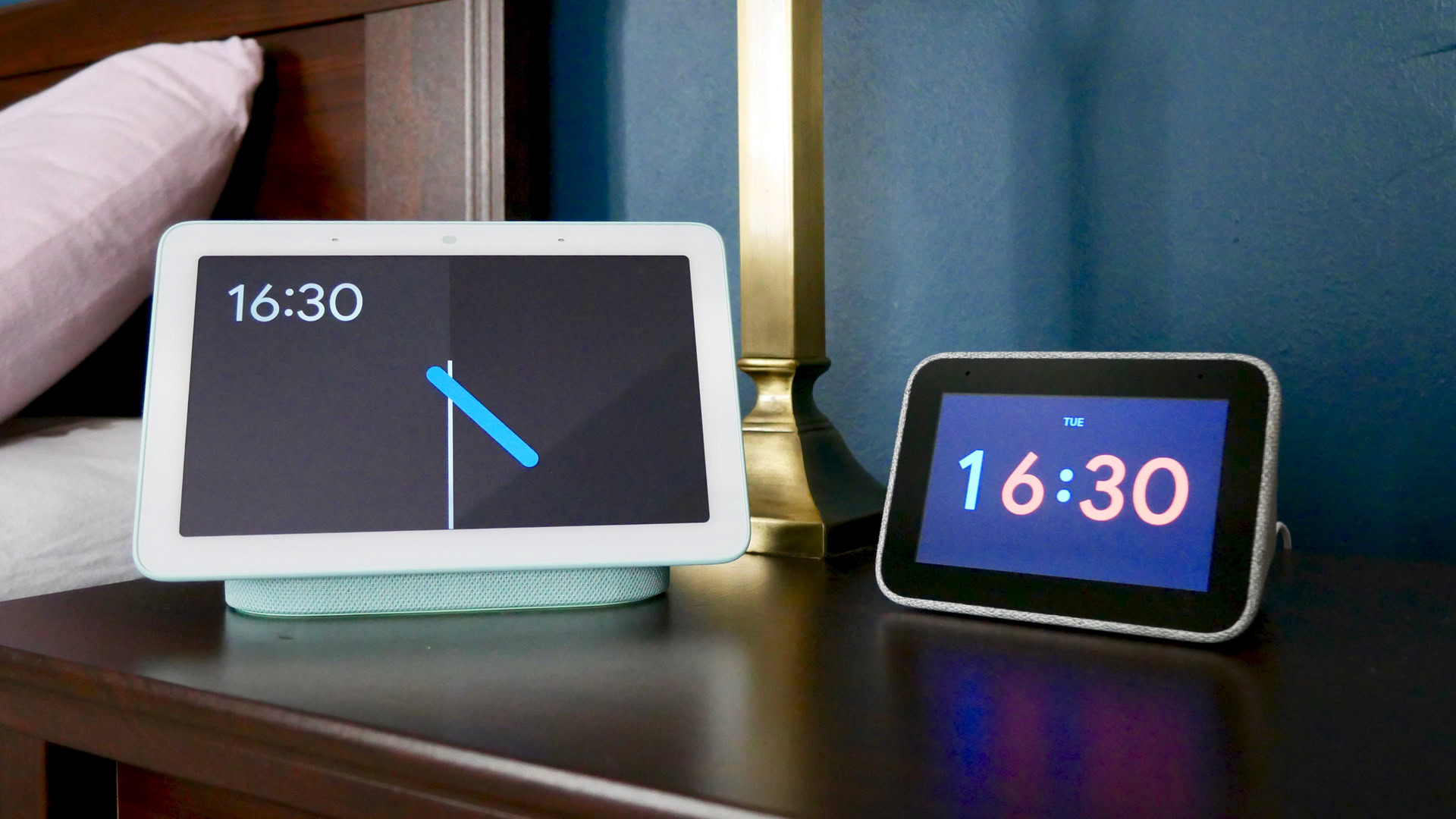
Lenovo Smart Clocks in Canada are displaying incorrect times following the country's adoption of permanent daylight saving time. Users in provinces like Alberta and Manitoba report errors on both Clock and Clock Essential models. The issue highlights global challenges in updating legacy smart devices for sudden regulatory time changes.
Key points
- Lenovo Smart Clocks in Canada are showing incorrect times due to a failure to update for the country's new permanent daylight saving time policy.
- The timekeeping errors affect both the standard Lenovo Smart Clock and the Clock Essential models, as reported by users in Alberta, British Columbia, Manitoba, Northwestern Ontario, Saskatchewan, and Yukon.
- Canada recently abolished the biannual clock changes, permanently adopting daylight saving time, which requires smart devices to adjust their internal time zone databases accordingly.
- Google had previously warned that older Android devices running outdated software might experience time discrepancies during the final transition, but Lenovo hardware is now also affected.
- Users have reported the issue on Reddit, confirming that the problem extends beyond just the clocks to include other Google Home devices like the TV Streamer and smart displays.
Timekeeping Errors in Canadian Smart Homes
Residents across several Canadian provinces are experiencing significant disruptions in their smart home ecosystems, specifically concerning time synchronization. Lenovo Smart Clocks, a popular line of digital clocks integrated with Google's ecosystem, are displaying incorrect times. This malfunction is directly linked to Canada's recent legislative shift regarding daylight saving time. The country has moved away from the decades-long tradition of springing forward and falling back, opting instead for permanent daylight saving time. This change was implemented to reduce the administrative and personal burden of adjusting clocks twice a year, but it has exposed vulnerabilities in the software updates of certain smart devices.
Affected Regions and Devices
The impact of this timekeeping failure is widespread across specific territories that have adopted the new permanent time standard. These regions include Alberta, parts of British Columbia, Manitoba, Northwestern Ontario, Saskatchewan, and Yukon. Users in these areas have taken to social media platforms, particularly Reddit, to report their issues. The complaints are not isolated to a single model of hardware. Both the original Lenovo Smart Clock and the Lenovo Smart Clock Essential are affected. This indicates that the problem is not limited to older or budget-friendly iterations of the device but spans the product line.
Broader Ecosystem Implications
The issue extends beyond just Lenovo hardware. Reports indicate that other Google Home devices are also suffering from synchronization errors. This includes the Google TV Streamer and various Google smart displays. The fact that multiple device types within the same ecosystem are failing to update correctly suggests a potential gap in how time zone changes are propagated to legacy or less frequently updated hardware. While Google had issued warnings about Android devices running outdated software facing similar issues, the inclusion of dedicated smart clocks and displays highlights a broader challenge in maintaining accurate time across diverse IoT (Internet of Things) devices.
Regulatory Shift and Technical Challenges
Canada's decision to adopt permanent daylight saving time was a significant regulatory change. It requires all devices with internal clocks to recognize that the time zone offset will no longer change seasonally. For many smart devices, this requires a software update that adjusts the time zone database. If a device does not receive this update, it may continue to calculate time based on the old rules, leading to discrepancies. In this case, the devices are likely failing to account for the permanent shift, resulting in times that are off by an hour or more, depending on the specific configuration and local solar time.
User Reports and Community Response
The primary source of information regarding this issue is user reports on online forums. Users have described the clocks displaying times that do not match their local reality. This has caused confusion, particularly for those who rely on these devices for scheduling and daily routines. The community response has been one of troubleshooting and sharing workarounds, but no official fix from Lenovo or Google has been widely implemented yet. The lack of a coordinated response from the manufacturers has left many users frustrated, especially as the change was widely publicized in advance.
Future Outlook
As other regions around the world consider similar changes to daylight saving time, the situation in Canada serves as a case study. It highlights the importance of robust software update mechanisms for smart devices. Manufacturers must ensure that their devices can seamlessly adapt to regulatory changes in time zones. Until Lenovo and Google provide a solution, users in affected areas may need to manually adjust their devices or rely on alternative time sources. The incident underscores the fragility of smart home infrastructure when faced with sudden, large-scale regulatory changes.
Key takeaways
- Lenovo Smart Clocks in Canada are displaying incorrect times due to a failure to update for the country's new permanent daylight saving time policy.
- The timekeeping errors affect both the standard Lenovo Smart Clock and the Clock Essential models, as reported by users in Alberta, British Columbia, Manitoba, Northwestern Ontario, Saskatchewan, and Yukon.
- Canada recently abolished the biannual clock changes, permanently adopting daylight saving time, which requires smart devices to adjust their internal time zone databases accordingly.
- Google had previously warned that older Android devices running outdated software might experience time discrepancies during the final transition, but Lenovo hardware is now also affected.
- Users have reported the issue on Reddit, confirming that the problem extends beyond just the clocks to include other Google Home devices like the TV Streamer and smart displays.
Sources
The WireByte editorial team synthesises technology news from multiple primary sources, verifies the facts, and links every source. Articles are produced with AI assistance and reviewed under our editorial policy.