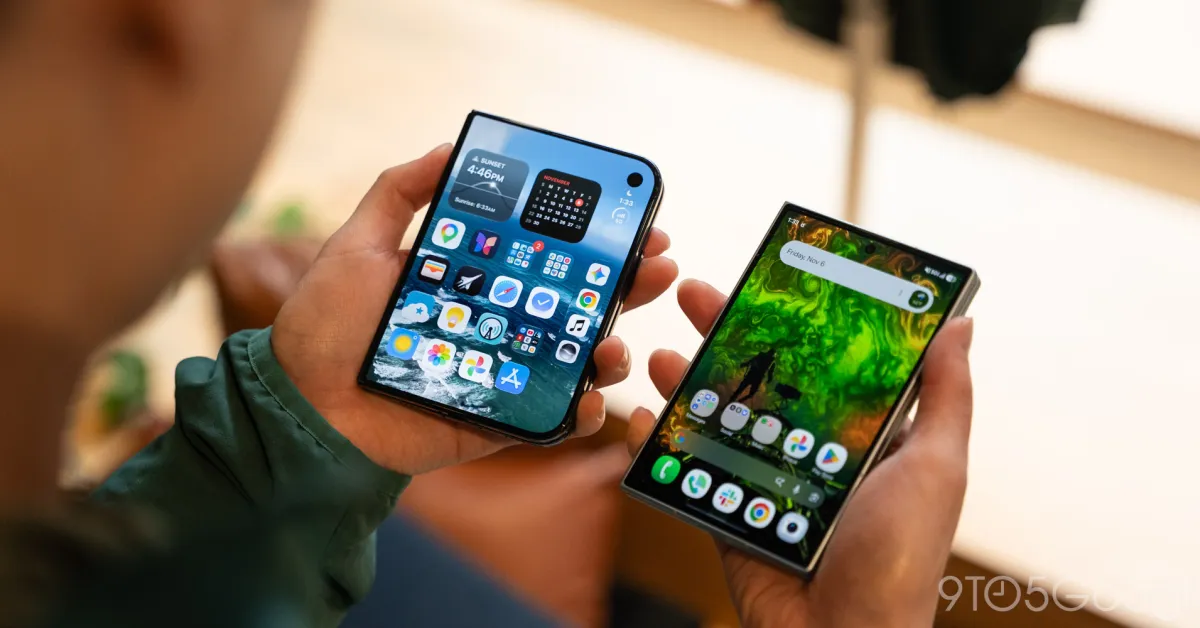
iPhone Duo Launch Highlights Android Foldable Maturity
Apple's iPhone Duo faces a rocky launch, underscoring the significant technological gap between Apple and Android competitors. While Apple struggles with early adoption hurdles, Android foldables have achieved a level of refinement and market readiness that highlights the lag in Apple's latest hardware innovation.
Key points
- Apple's iPhone Duo has experienced a difficult initial market reception, marking a challenging start for the device.
- The launch difficulties serve as a stark contrast to the established maturity of the Android foldable market.
- Android competitors have achieved a level of hardware refinement and user experience that Apple currently lacks.
- The situation highlights a widening technological gap in the foldable smartphone segment between Apple and rivals.
- Early performance issues suggest Apple is playing catch-up in a category where competitors have already innovated.
A Stumbling Start for Apple's Foldable Ambitions
Apple's recent introduction of the iPhone Duo has encountered significant headwinds, marking a notably rocky debut for the tech giant's latest hardware venture. The device, which represents Apple's entry into the increasingly competitive foldable smartphone market, has faced immediate scrutiny regarding its initial performance and user reception. This challenging launch stands in sharp contrast to the company's usual track record of seamless product rollouts, raising questions about the readiness of the device for mass consumer adoption.
The Android Advantage in Foldable Technology
While Apple grapples with the early stages of its foldable strategy, Android manufacturers have already established a robust foothold in this segment. Competitors such as Samsung, Huawei, and Google have spent years refining foldable technology, resulting in devices that offer greater durability, better software integration, and more mature user experiences. The iPhone Duo's struggles highlight the significant technological gap that currently exists between Apple and its Android counterparts in the foldable category.
Market Dynamics and Consumer Expectations
The foldable smartphone market has evolved rapidly, with consumers now expecting a level of refinement that goes beyond mere novelty. Android foldables have addressed many early concerns regarding screen durability, hinge mechanisms, and software optimization, setting a high bar for new entrants. Apple's entry into this space comes later than many analysts predicted, and the initial reception suggests that the company may need to make significant adjustments to meet these established expectations.
Technical Challenges and Software Integration
Early reports indicate that the iPhone Duo faces technical hurdles related to its software ecosystem and hardware integration. Unlike Android devices, which have benefited from years of iterative improvements in foldable-specific software features, Apple's software has yet to fully adapt to the unique form factor. This discrepancy has led to user complaints regarding app compatibility, multitasking capabilities, and overall user experience, further complicating the device's launch.
Competitive Landscape and Future Implications
The rocky launch of the iPhone Duo has significant implications for the broader smartphone market. It underscores the competitive pressure Apple faces from Android manufacturers who have already capitalized on the foldable trend. As consumers become more accustomed to the benefits of foldable technology, Apple's delayed entry may result in lost market share and reduced brand loyalty among early adopters. The company will likely need to invest heavily in software updates and hardware refinements to remain competitive.
Analyst Perspectives on Apple's Strategy
Industry analysts suggest that Apple's late entry into the foldable market was a calculated risk, but the initial reception indicates that the strategy may not have paid off as expected. The focus on hardware innovation without sufficient software preparation has resulted in a product that feels unfinished compared to its Android rivals. This situation serves as a reminder that technological leadership in one area does not guarantee success in another, particularly when competitors have already established a strong presence.
Key takeaways
- Apple's iPhone Duo launch has been marked by significant early challenges and negative reception.
- Android foldables have achieved a level of maturity and refinement that Apple currently lacks.
- The technological gap in foldable technology highlights the competitive pressure on Apple.
- Software integration and hardware durability remain key areas of concern for the iPhone Duo.
- The launch underscores the importance of timing and preparation in the evolving smartphone market.
Sources
The WireByte editorial team synthesises technology news from multiple primary sources, verifies the facts, and links every source. Articles are produced with AI assistance and reviewed under our editorial policy.