India Smartphone Sales Plunge 22% Amid Price Hikes
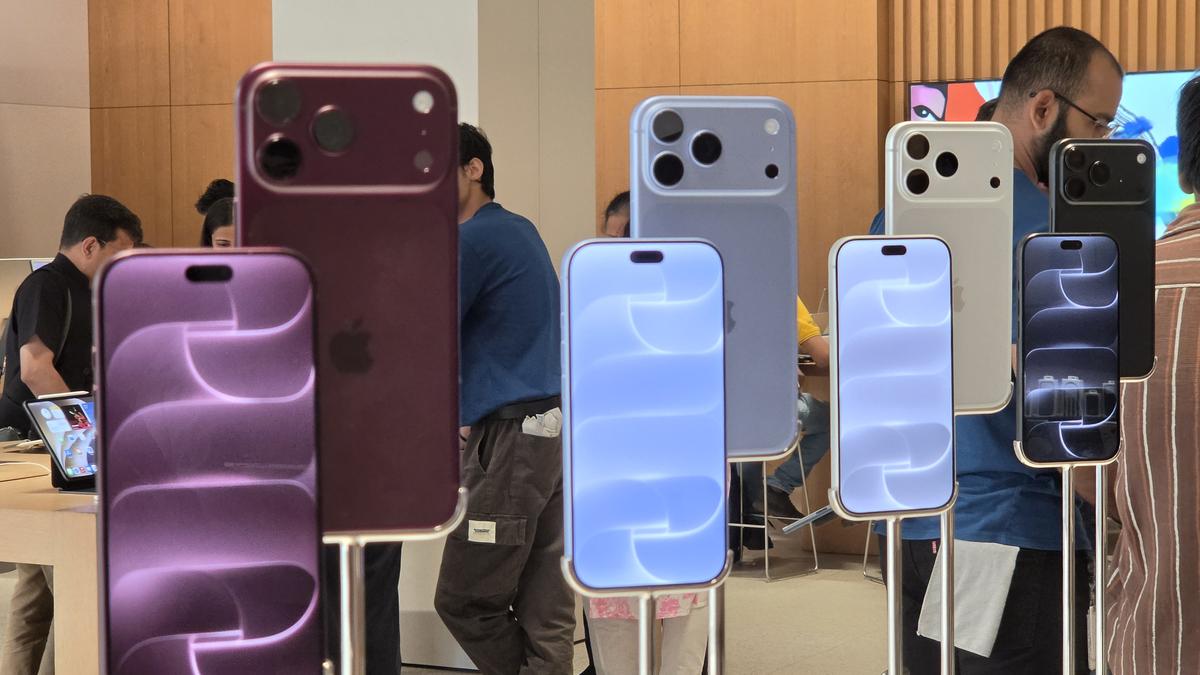
India’s smartphone market contracted by 22% during the October 8–November 10 festive season, driven by rising average selling prices and narrowed discounts. While unit sales fell, market value remained flat due to a 28% price increase. Samsung captured 21% share, while 48% of transactions were finance-led, as price-sensitive buyers delayed upgrades.
Key points
- India’s smartphone unit sales declined 22% year-over-year during the October 8–November 10 festive season, significantly underperforming the pre-season forecast of a 12% drop.
- Average selling prices surged 28% year-over-year, offsetting the volume decline and keeping total market value broadly flat as manufacturers raised prices despite narrower discounts of 10–25%.
- Samsung secured a 21% market share, outperforming the broader market with only an 8% sales decline, driven by strong demand for the Galaxy S25 and S25 Ultra models.
- Finance-led transactions accounted for 48% of all smartphone sales, as brands utilized no-cost EMIs and bank offers to mitigate the impact of higher entry-level device prices.
- Online sales channels experienced a sharp drop in conversion rates, with higher consumer traffic failing to translate into purchases as buyers held back due to elevated costs.
Market Contraction Exceeds Forecasts
India’s smartphone market experienced a severe downturn during the recent festive season, with unit sales plummeting by 22% compared to the same period last year. This contraction, occurring between October 8 and November 10, was significantly steeper than the pre-season industry forecast of a 12% decline. The sharp drop in volumes was primarily attributed to rising average selling prices (ASPs) and a strategic reduction in promotional discounts by major manufacturers. As memory costs continued to escalate, smartphone prices reached new heights, effectively pushing many price-sensitive consumers out of the market. Buyers demonstrated increased caution, delaying upgrades and holding back on purchases as the cost of entry-level devices remained elevated even after discounts.
Value Stability Amid Volume Drop
Despite the significant fall in unit sales, the overall market value remained broadly flat year-over-year. This stability was achieved because the average selling price grew by 28%, largely offsetting the decline in the number of devices sold. Manufacturers responded to rising component costs by narrowing their festive discounts, which fell from the 35–40% range in 2025 to just 10–25% during the current season. Consequently, even discounted entry-level models were generally priced higher than their counterparts from a year ago. This pricing strategy has put upgrades out of reach for many consumers, forcing brands to rely heavily on alternative sales mechanisms to maintain revenue streams.
Samsung’s Market Leadership
Among major players, Samsung emerged as the top performer, capturing a 21% market share and overtaking Vivo. While the broader market saw a 22% decline in sales, Samsung’s volumes fell by only 8%, demonstrating greater resilience. The company benefited from strong demand for its premium devices, particularly the Galaxy S25 and Galaxy S25 Ultra. This performance highlights a bifurcation in the market, where premium segments continue to see interest despite overall volume contractions. Samsung’s ability to maintain sales volume amidst a general market slump underscores the strength of its flagship offerings and brand loyalty in the Indian context.
Rise of Finance-Led Sales
To combat the impact of higher prices, smartphone brands heavily leaned on financial incentives. No-cost equated monthly installments (EMIs), bank offers, and trade-in schemes became critical tools for driving conversions. Data indicates that 48% of all smartphone sales during the festive period were finance-led. This shift towards credit-based purchasing reflects the changing dynamics of consumer affordability. As upfront costs rise, the availability of easy financing options has become a decisive factor for many buyers, allowing them to acquire devices that would otherwise be financially out of reach. This trend suggests a structural change in how consumers approach major electronics purchases in India.
Online Channel Struggles
The online sales channel, which accounts for a significant share of smartphone purchases, faced particular challenges. During the first wave of the festive season from October 8 to 18, online volumes fell 19% year-over-year. Although consumer traffic to online platforms remained high, this increased interest failed to translate into actual sales conversions. The disconnect between traffic and sales indicates that potential buyers were browsing but ultimately deciding against purchasing due to price concerns. This trend mirrors the broader market sentiment, where hesitation among consumers led to lower conversion rates across digital retail channels.
Key takeaways
- India’s smartphone sales fell 22% during the October 8–November 10 festive season, missing the 12% decline forecast.
- Average selling prices rose 28%, keeping market value flat despite the sharp drop in unit volumes.
- Samsung led the market with a 21% share, experiencing only an 8% sales decline thanks to strong premium demand.
- Finance-led transactions accounted for 48% of sales, as brands used EMIs and bank offers to offset high prices.
- Online sales conversions dropped significantly, with high traffic failing to result in purchases due to elevated costs.
Sources
The WireByte editorial team synthesises technology news from multiple primary sources, verifies the facts, and links every source. Articles are produced with AI assistance and reviewed under our editorial policy.